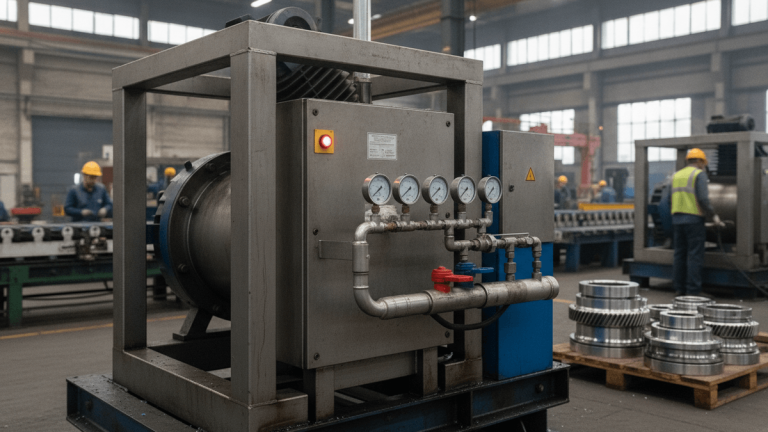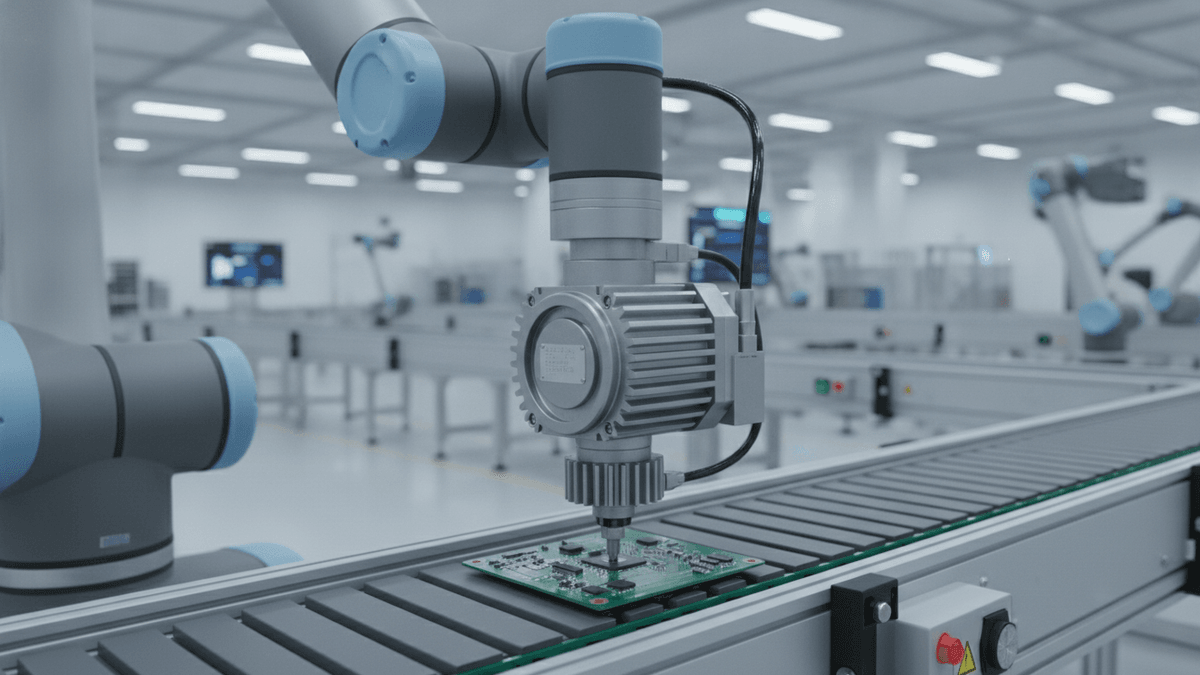
Gear reducer powering robotic arm on assembly line
The Indian speed reducers market, a critical segment within the power transmission and motion control industry, is forecasted to experience a compound annual growth rate (CAGR) of 7-9% through 2035. This expansion is underpinned by a confluence of factors including regular machinery replacement cycles, the accelerating adoption of automation technologies, and substantial investments in infrastructure development across the nation.
The market is characterized by a distinct dual structure. A high-volume, price-sensitive segment caters to standard industrial machinery, while a rapidly growing premium segment serves advanced applications such as robotics, sophisticated automation systems, and renewable energy installations. Currently, industrial machinery constitutes the largest end-use sector, accounting for approximately 35-40% of domestic volume. Within this, material handling and robotics are showing above-market growth rates.
Key industry trends indicate a significant shift towards more energy-efficient and compact helical and planetary gear reducers. Robotics and automation applications are emerging as the fastest-growing demand pool, with an annual expansion rate of 15-20%. This surge is propelled by ongoing factory modernization initiatives and the increasing trend of localized electronics assembly.
Despite the positive outlook, the industry faces several challenges. These include the volatility of raw material prices, a shortage of skilled engineering talent and precision machining capacity, and extended lead times for imported high-precision components. These factors can impact production timelines and cost structures for domestic manufacturers.
In terms of product volume share, worm gear reducers currently lead with 30-35%, owing to their inherent simplicity and cost-effectiveness. Helical gear reducers follow at 25-30%, with planetary gear reducers making up 15-20% of the market volume.
The competitive landscape is fragmented, featuring a mix of domestic manufacturers, international corporations, and numerous small-scale producers. Foreign brands are particularly dominant in the premium segment of the market. While India possesses strong domestic production capabilities for standard worm and helical gears, the country remains reliant on imports for high-precision components, with imports fulfilling 60-70% of high-specification demand, primarily from Germany, Italy, Japan, and China.
Distribution channels primarily consist of direct sales to large original equipment manufacturers (OEMs) and a network of authorized distributors serving small-to-medium enterprises and the aftermarket. The market operates under the influence of Bureau of Indian Standards (BIS) norms, safety regulations, and a growing emphasis on energy efficiency, further supported by the government’s ‘Make in India’ initiative.
Significant opportunities for growth are identified in the burgeoning robotics and automation sector, the aftermarket and maintenance, repair, and operations (MRO) services, and the renewable energy sector, particularly in wind power. There is also a strategic imperative and opportunity in the localization of supply chains for critical components.
About the Author