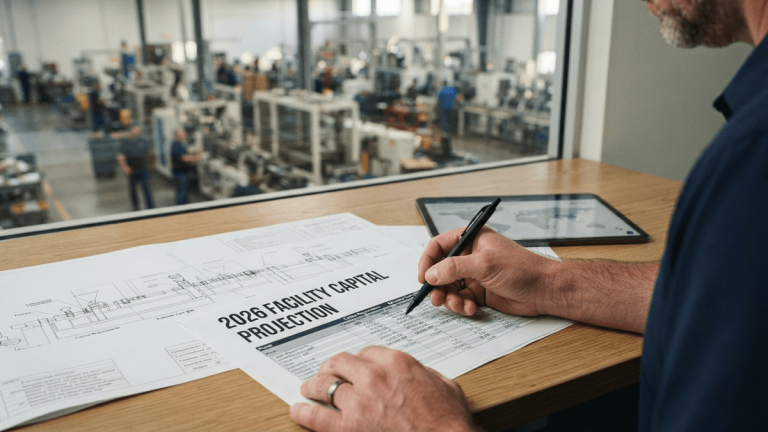
An analyst reviews financial documents for an industrial manufacturing firm.
The Indian industrial equipment and machinery sector is increasingly viewed as a cornerstone of the nation’s economic strategy toward 2027. Bolstered by the ‘Make in India’ initiative and substantial domestic infrastructure investment, the sector is benefiting from a broader global shift in supply chain diversification. This macro environment has drawn renewed interest from institutional and retail investors seeking exposure to the manufacturing ecosystem.
While market enthusiasm for low-priced industrial equities has grown, financial analysts caution that the sector requires a disciplined approach. The allure of entry-level pricing often masks significant underlying risks, including heightened market volatility, limited liquidity, and structural financial instability within smaller-cap firms. For professional investors, the focus remains on fundamental markers rather than speculative price action.
Strategic evaluation of these opportunities necessitates a granular review of company health. Key indicators such as debt-to-equity ratios, free cash flow generation, and the strength of management teams are essential in distinguishing between companies capable of scaling within the manufacturing value chain and those vulnerable to sector headwinds. As India continues to integrate into global industrial supply chains, the ability to identify high-quality assets amidst a crowded landscape of low-priced equities will be a defining factor for capital allocation in the coming years.
About the Author