A feasibility report outlines capital requirements for a 2026 plastics manufacturing facility.
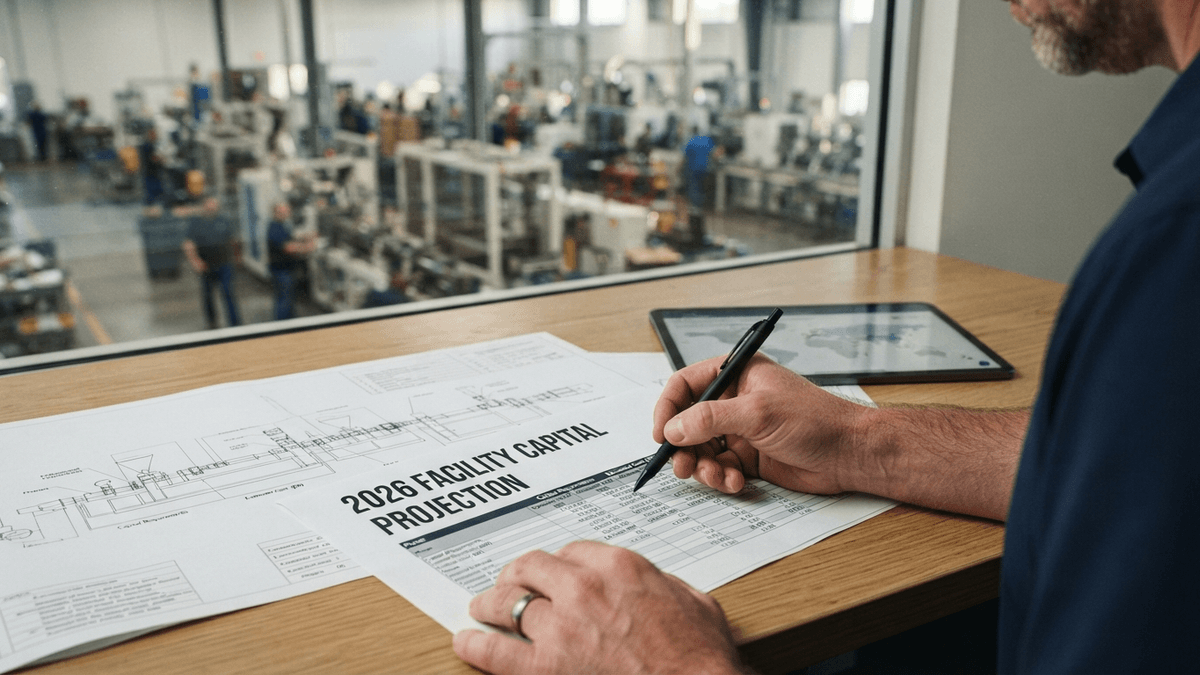
Investors and industrial stakeholders evaluating the plastics manufacturing sector face a capital-intensive landscape heading into 2026. A recent feasibility analysis highlights that entry costs for new production facilities are scaling significantly, with capital requirements projected between $8 million for a 20,000 metric ton annual capacity and $40 million for a 100,000 metric ton facility.
The sector is underpinned by robust growth projections, with the global plastic market expected to expand from an estimated $671.51 billion in 2025 to $859.47 billion by 2034. This growth is largely fueled by consistent demand across the automotive, healthcare, electronics, and packaging industries. However, prospective entrants must account for high operational volatility, as feedstock—specifically polymer resins such as PP, PE, and PVC—represents 80% to 85% of total operating expenses.
For institutional investors and private equity firms, the strategic value of these assets is increasingly tied to supply chain proximity and regulatory compliance. As global markets transition toward circular economy models, the ability of a manufacturing facility to integrate recycled content and adhere to stringent environmental regulations regarding single-use plastics is becoming a critical determinant of long-term asset viability. Site selection, therefore, acts as a primary strategic lever, balancing logistics costs with access to raw material corridors and end-user markets.
Ultimately, the feasibility of new production capacity in this sector relies on sophisticated supply chain management and the ability to scale production through advanced injection molding and extrusion technologies while navigating a tightening regulatory environment.
About the Author