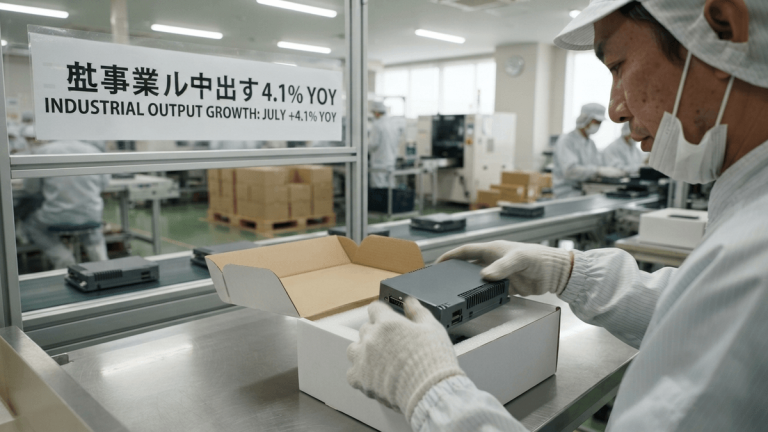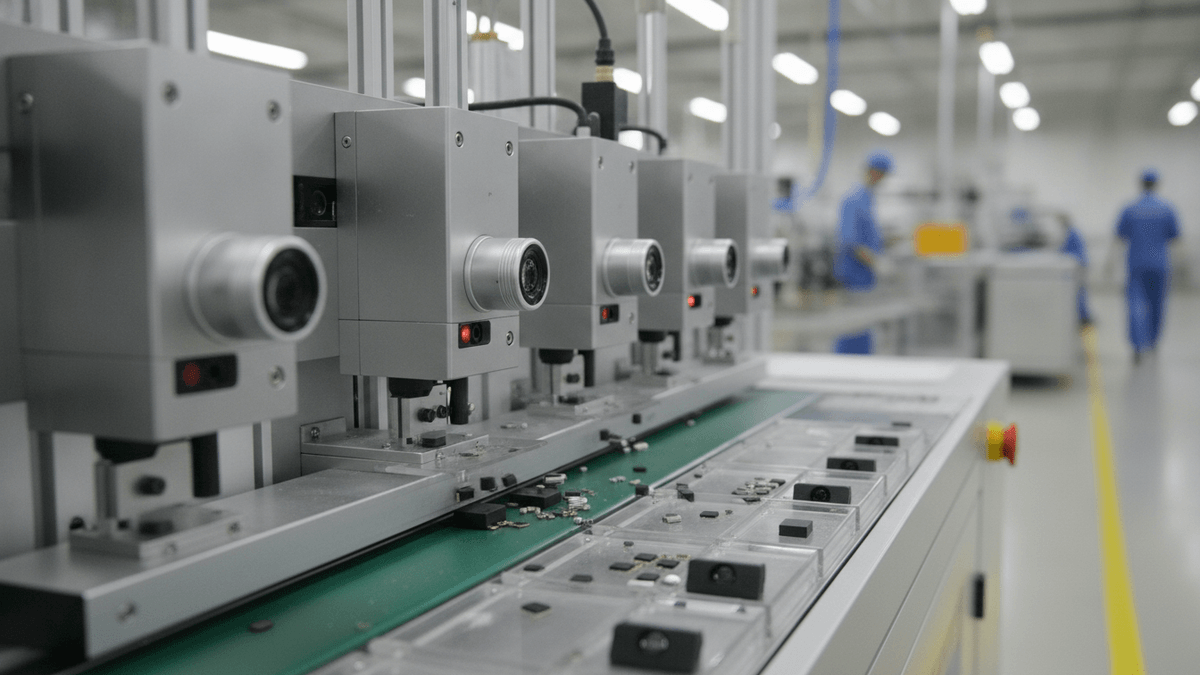
Automated diameter sorting machine in a Brazilian electronics manufacturing facility.
Brazil’s market for diameter sorting machines, crucial for industrial automation, electronics, and semiconductor sectors, is projected to expand at a compound annual growth rate (CAGR) of 4-7% through 2035. This growth is primarily fueled by the need to replace aging equipment, with replacement cycles averaging 7-10 years.
The market exhibits a strong reliance on imports, with 70-80% of machines sourced from international manufacturers, predominantly from Germany, Japan, and the United States. Annual procurement is estimated between 200 to 350 units. A notable trend is the increasing adoption of advanced multi-sensor and vision-integrated sorting platforms, with a significant portion of new procurements in 2025-2026 expected to feature combined laser, camera, and contact measurement capabilities.
End-users in Brazil are increasingly demanding adherence to international quality management standards such as ISO 9001:2015 and IATF 16949. The aftermarket for servicing and spare parts is experiencing robust growth, estimated at 4-6% annually, outpacing new machine sales due to an expanding installed base.
However, the market faces substantial challenges. Import logistics and customs clearance processes can extend lead times by 8-16 weeks. Furthermore, high tariffs and taxes contribute to landed costs increasing by 35-55%. Currency volatility of the Brazilian real also presents a significant risk for import contract pricing. Supplier qualification is another hurdle, requiring extensive documentation, on-site commissioning support, and materials in Portuguese.
Opportunities lie in enhancing the aftermarket and service sector, as well as in addressing the specific technical and documentation needs of Brazilian buyers. The ongoing integration of Industry 4.0 principles and statistical process control is also creating demand for machines equipped with advanced data connectivity and real-time reporting features.
About the Author