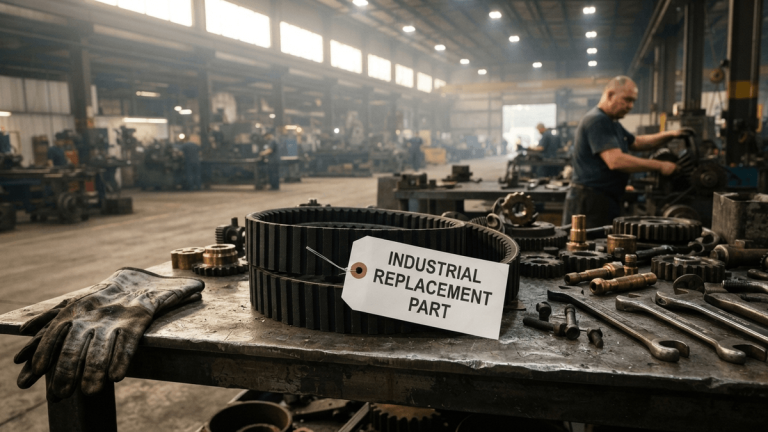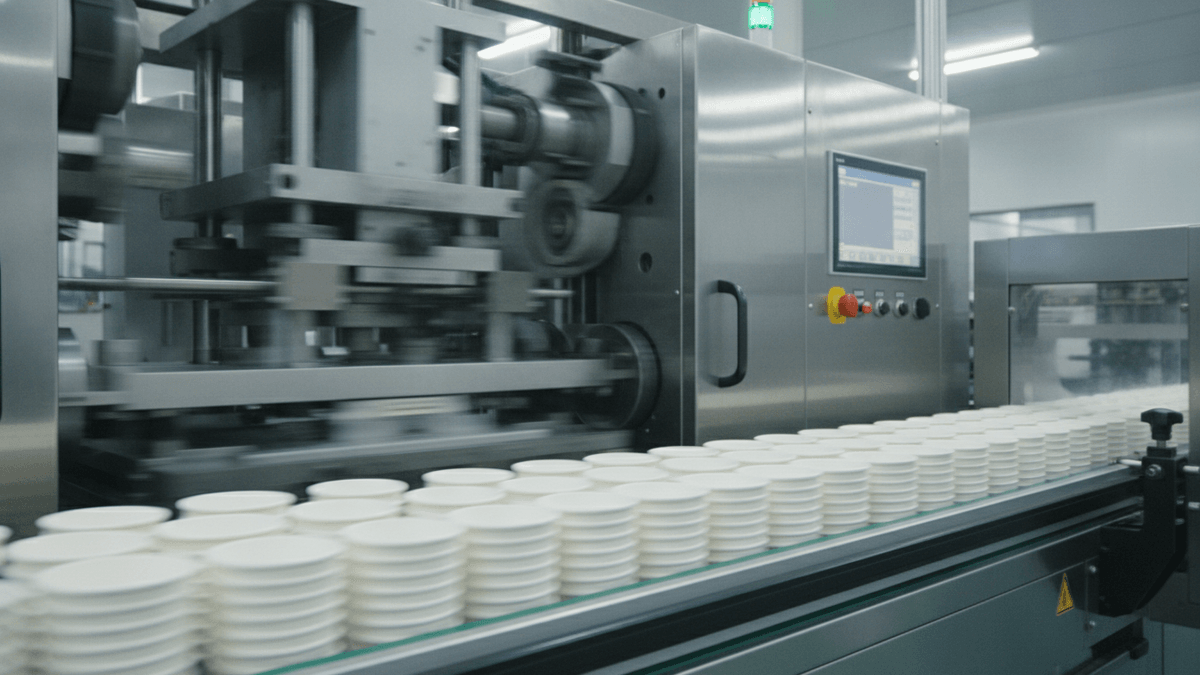
Automated industrial machine producing biodegradable cups in a modern facility
The global market for cup making machines is anticipated to experience substantial growth between 2026 and 2035, with a projected compound annual growth rate (CAGR) of 5.0–7.5%. This upward trend is largely attributed to the expansion of the global foodservice sector, escalating regulatory measures against single-use plastics, and the increasing adoption of high-speed, automated production lines.
The Asia-Pacific region is expected to maintain its position as the primary driver of demand, accounting for 45–55% of the global market. Within this region, China and India are at the forefront of manufacturing both paper and biodegradable cups. A significant portion of annual machine sales, estimated at 35–45%, is also fueled by the ongoing replacement and upgrade cycle for existing machinery.
Technological advancements are playing a pivotal role in procurement decisions. The integration of IoT sensors, predictive maintenance capabilities, and real-time quality monitoring systems are becoming critical factors as they enhance operational efficiency and minimize downtime.
However, the market is not without its challenges. Fluctuations in raw material costs, extended lead times for essential electromechanical components, and the complexities of adhering to diverse regional regulatory requirements pose significant hurdles.
The market segmentation reveals that foodservice and quick-service restaurants represent the largest segment at 40%, followed by beverage packaging and bottling (25%), disposable tableware manufacturing (20%), industrial automation and OEM integration (10%), and after-sales services, including replacement parts and lifecycle support (5%).
Key industry players such as Sidel Group, KHS GmbH, and Paper Machinery Corporation are central to this market landscape. The baseline forecast predicts a 6.2% CAGR, with the market index expected to reach approximately 185 by 2035, using 2025 as the base year (2025=100).
About the Author