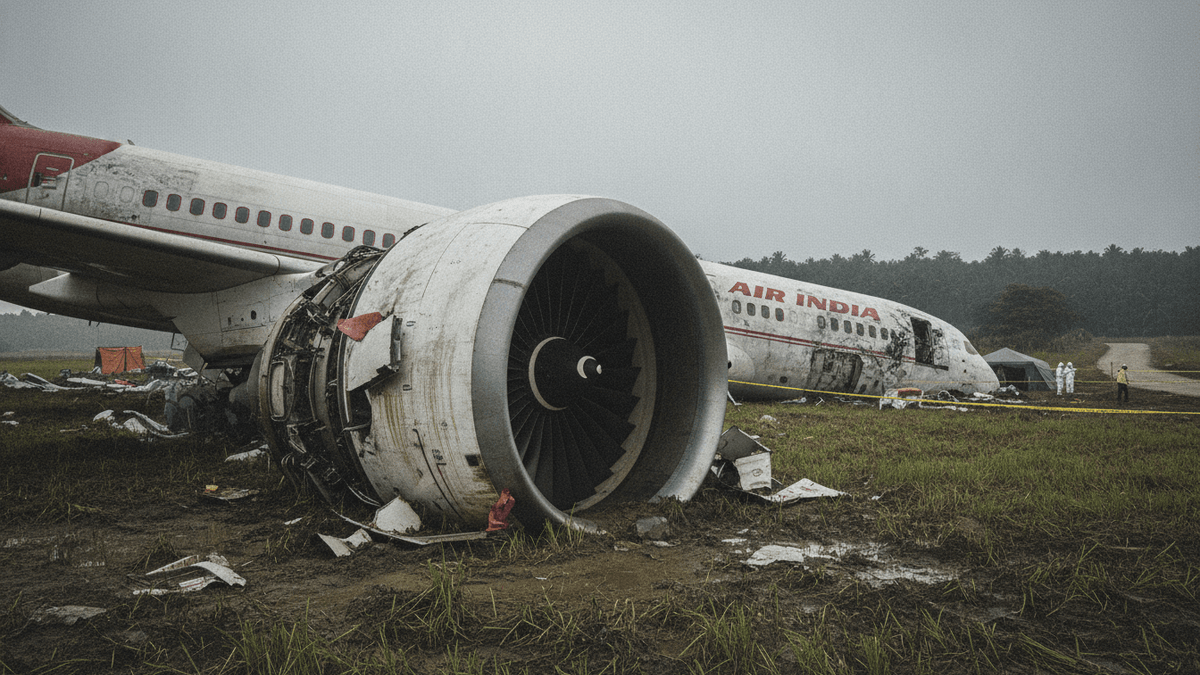
Wreckage of an Air India Boeing 787 in a muddy field under overcast skies
The final report on the devastating Air India Boeing 787 crash, which marked the deadliest air disaster in a decade, will be delayed as investigators require additional time to analyze the aircraft’s engines. This prolonged scrutiny casts a shadow over the airline’s ambitious plans for fleet expansion and significant operational changes.
Air India, with a history dating back to its founding in 1932, is navigating a critical period. The ongoing investigation into the crash, coupled with the extensive analysis of engine performance, is likely to influence investor confidence and regulatory oversight. The delay in the report’s release means the full findings and recommended safety improvements will take longer to be disseminated, potentially impacting future investment decisions and the airline’s strategic roadmap.
The incident has significant implications for the aerospace sector, particularly concerning the safety protocols and maintenance standards for wide-body aircraft like the Boeing 787. As Air India undergoes its transformation, the fallout from this crash serves as a stark reminder of the critical importance of safety and thorough investigation in the aviation industry, directly affecting capital allocation and risk assessment for stakeholders in the sector.
About the Author