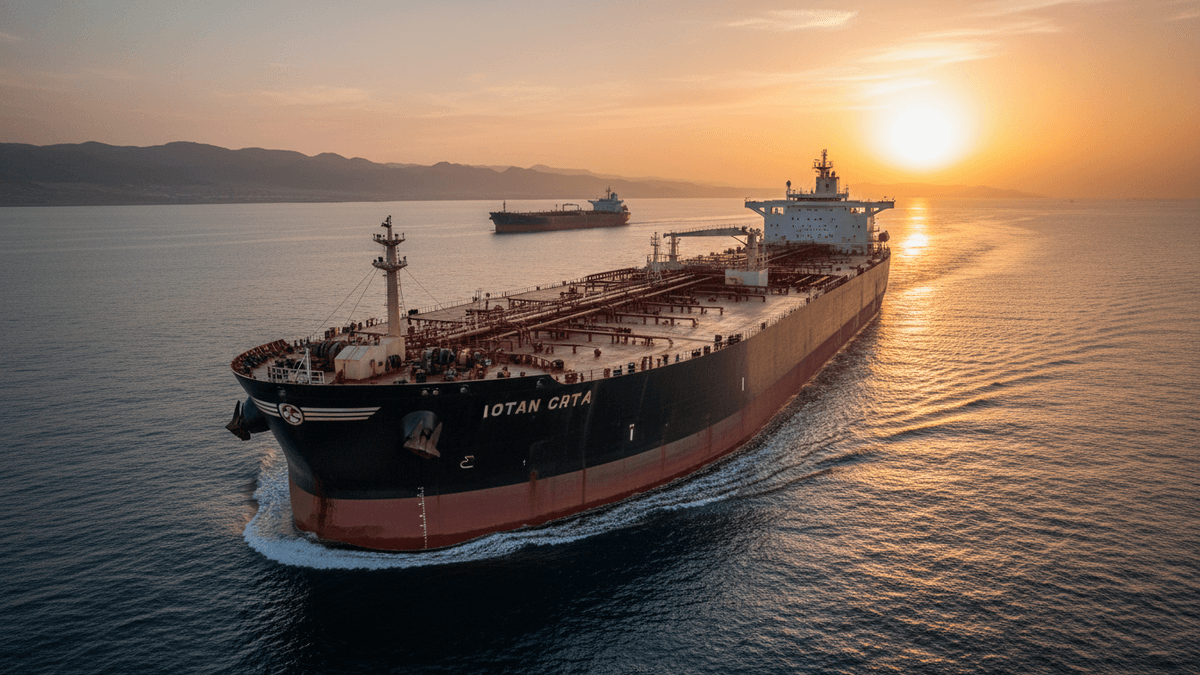
Two oil tankers underway at sunset, mountains in background
Asian economies are increasingly turning to the United States for crude oil imports, a trend that, while providing some relief, is proving insufficient to fully mitigate the risks posed by potential disruptions to critical shipping lanes like the Strait of Hormuz. This growing dependence on US crude highlights underlying vulnerabilities in the region’s energy security and could lead to upward pressure on refined fuel prices.
The Strait of Hormuz, a vital chokepoint for global oil transit, remains a significant concern for energy-importing nations in Asia. While increased shipments from the US are bolstering supply, they cannot entirely bridge the gap should transit through the Strait be impeded. Refineries in Asia are facing challenges in securing adequate and diverse crude supplies, which could translate into higher costs for refined products such as gasoline and diesel.
Experts suggest that less developed countries within Asia may be the first to experience the impact of these supply chain pressures. Their economies often have less capacity to absorb rising energy costs, potentially leading to greater economic strain. The situation underscores the ongoing strategic importance of stable energy flows and the complex geopolitical factors influencing global commodity markets.
About the Author