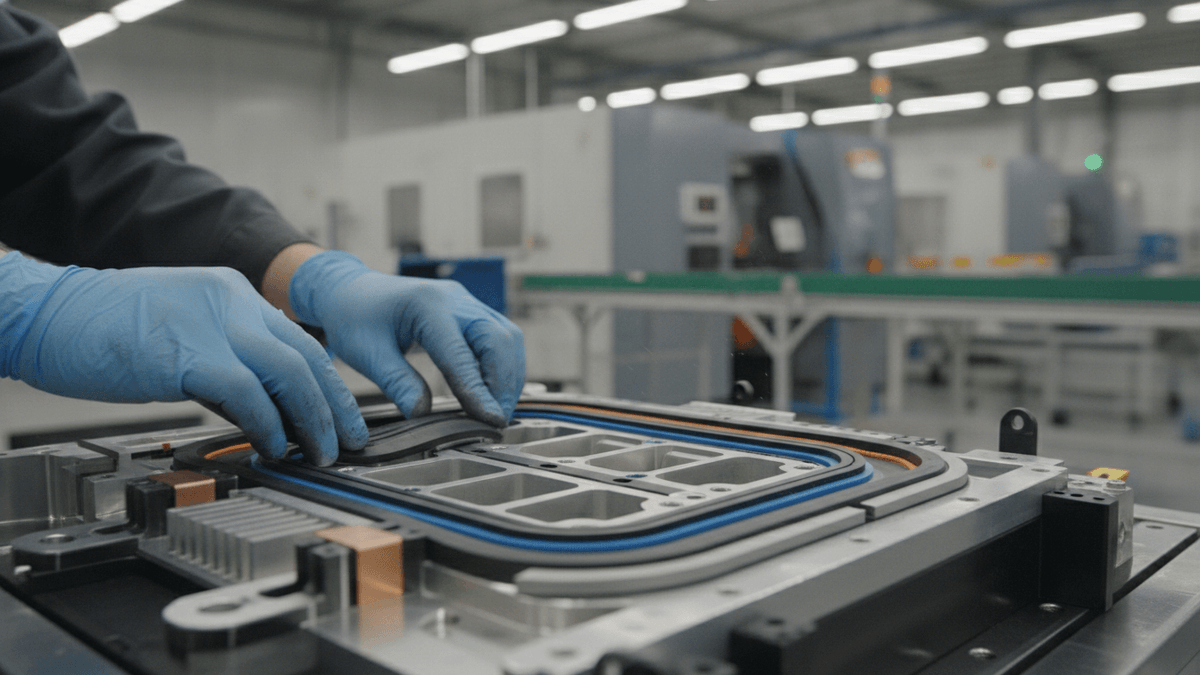
Worker installing an industrial seal into machinery
The French market for seals, encompassing both PVC and Nitrile types, is set for substantial expansion through 2035. Projections indicate a compound annual growth rate (CAGR) of 3.2–4.1% for PVC seals and 4-6% for Nitrile seals. The PVC seals market, valued at EUR 180–220 million in 2026, is primarily propelled by the ongoing replacement of industrial machinery and consistent renovations in the construction sector.
However, the PVC segment faces challenges including the volatility of PVC resin prices and significant import dependency, with 55–65% of supply coming from countries like Germany and Italy. Key trends highlight a move towards custom molded and extruded seals, which command a price premium, and an increasing demand for sustainable, phthalate-free formulations. These shifts, while driving value, also increase production costs.
The Nitrile seals market, valued for its inherent resistance to oils and fuels, finds its main drivers in the automotive and industrial machinery sectors. Similar to PVC seals, this segment is also characterized by high import reliance, raw material price fluctuations, and competitive pressures. Emerging trends in Nitrile seals include a demand for higher acrylonitrile content for enhanced performance, specialized low-temperature and food-grade compounds, and growing opportunities in electric vehicle thermal management and renewable energy applications.
Both PVC and Nitrile seal segments are influenced by stringent regulatory compliance, including REACH and specific certifications for medical devices. While automotive and construction remain major consumers for PVC seals, the medical device and food processing industries are identified as fast-growing premium niches for both material types. Opportunities for growth across both segments are expected in premium, application-engineered products, sustainable solutions, aftermarket sales, e-commerce platforms, and the burgeoning waste management sector.
About the Author