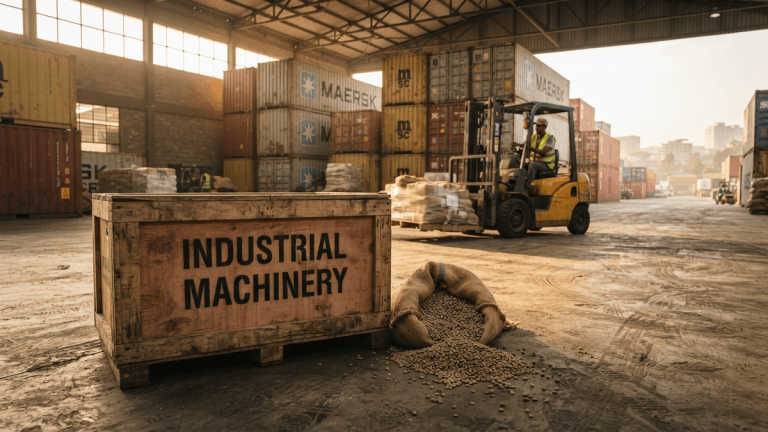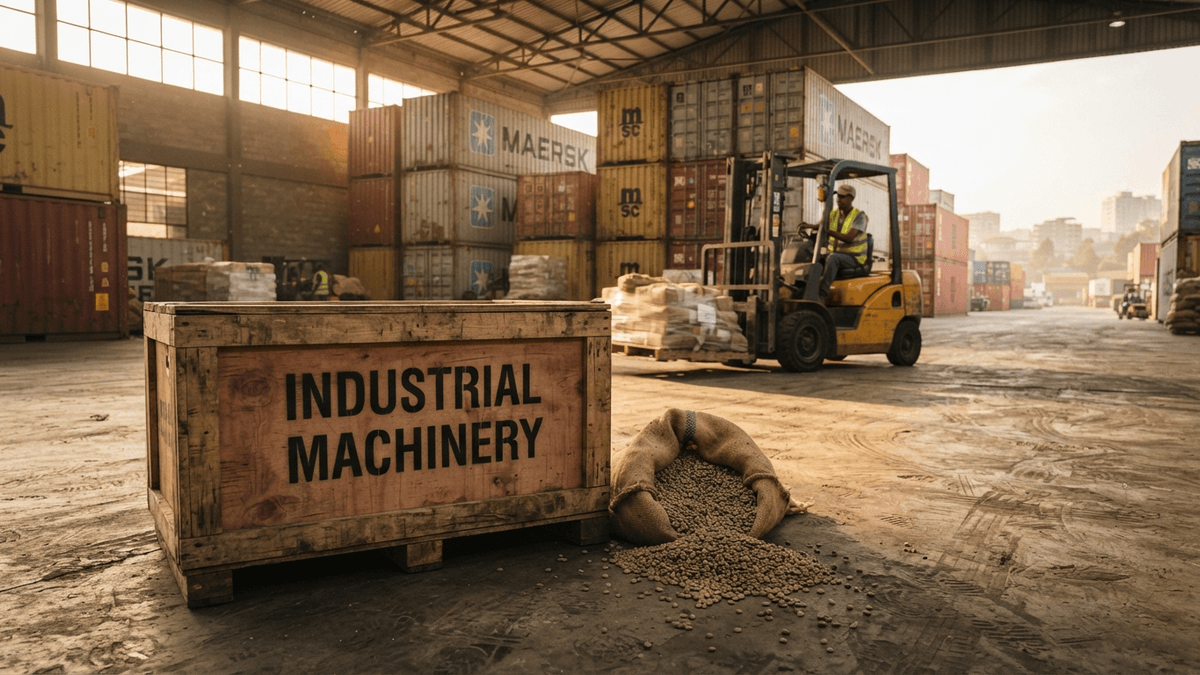
A logistics terminal in Addis Ababa shows the shift toward industrial imports alongside commodity exports.
Recent trade data for 2025 underscores Ethiopia’s evolving role within the East African economic corridor, providing a strategic roadmap for institutional investors and private equity firms evaluating regional capital allocation. The data reveals a clear dichotomy between the nation’s traditional export base and its rapidly rising demand for industrial capital goods.
Ethiopia continues to rely heavily on its core commodity exports, including coffee, gold, oilseeds, and cut flowers, to generate essential foreign exchange. However, the import profile suggests a more structural shift. Significant capital expenditure is being directed toward machinery, petroleum products, and electrical equipment, reflecting the government’s ongoing commitment to large-scale infrastructure development and the acceleration of its industrialization agenda.
For market analysts, the prominence of China, the United Arab Emirates, and European partners as primary trading hubs highlights the increasingly globalized nature of Ethiopia’s supply chain. This diversification of trade partners is a critical metric for investors assessing geopolitical risk and currency exposure in the region.
The strategic importance of this data lies in its ability to pinpoint specific growth verticals. As Ethiopia continues to modernize its industrial capacity, the demand for high-quality infrastructure and energy-related investments is expected to intensify. For private equity firms, the current trade trajectory provides a quantitative foundation to evaluate entry points into sectors that support Ethiopia’s long-term economic integration and industrial scalability.
About the Author