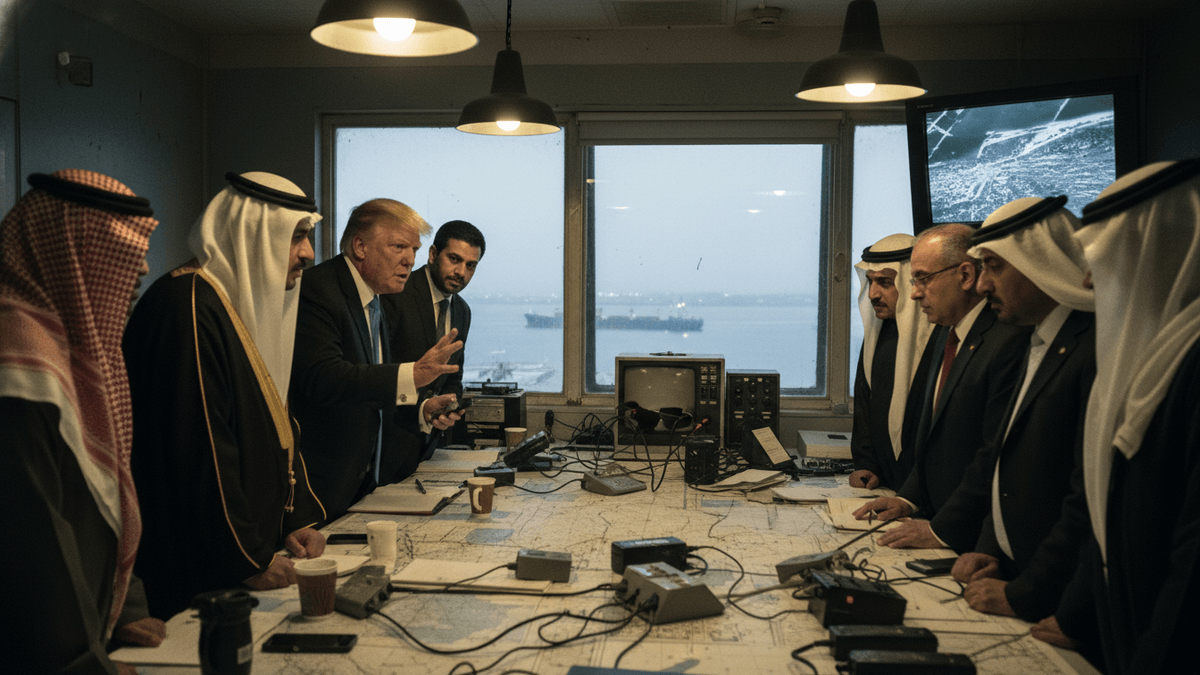
Tensions rise in the Strait of Hormuz as policymakers grapple with Trump's Iran strategy.
The foreign policy approach of U.S. President Donald Trump, characterized by assertive rhetoric and the threat of military action, has met a significant obstacle in its dealings with Iran. Despite imposing sanctions, increasing military presence, and setting various deadlines, the administration has struggled to secure substantial concessions from Tehran regarding its nuclear program and regional activities.
In a recent development, President Trump announced the pause of planned U.S. strikes against Iran, citing ongoing “serious negotiations.” This decision reportedly came at the request of Gulf Arab allies, who are seeking a diplomatic resolution. However, Trump also issued a warning that military action could be reinstated if a mutually acceptable deal is not reached, underscoring the volatile nature of the situation.
The ongoing tensions, particularly concerning the Strait of Hormuz, a critical chokepoint for global oil trade, highlight the complexities of U.S.-Iran relations. The economic implications for global markets, especially the energy sector, remain a key concern as strategic waterways are impacted by geopolitical friction. The effectiveness of Trump’s ‘tough-talk’ strategy in achieving long-term foreign policy objectives continues to be a subject of intense scrutiny.
About the Author