D2C Brands Confronting Manufacturing Disruptions
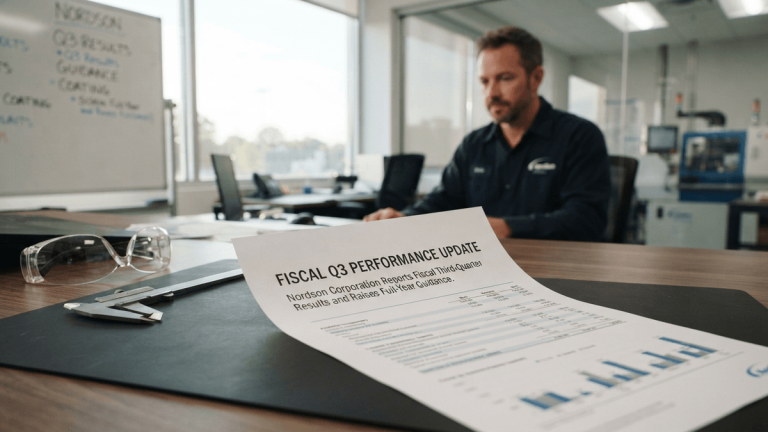
Indian Direct-to-Consumer (D2C) brands are navigating a challenging new operational landscape characterized by significant manufacturing disruptions. Manufacturers are recalibrating their business relationships, notably by revising contract terms and shifting towards a ‘cash and carry’ model. This seismic shift is a direct consequence of the fallout from escalating geopolitical conflicts in West Asia, which are impacting production cycles and increasing operational costs across various manufacturing hubs.
The ripple effects are palpable across the sector, with production witnessing a slowdown in key manufacturing centers like Morbi and Bahadurgarh. The confluence of increased labor costs, wage hike demands, and worker migration is compelling manufacturers to raise their operational expenses by an estimated 15% in some instances. This internal pressure is exacerbated by external factors, particularly the ongoing conflict in West Asia, which has further complicated an already strained supply chain environment.
Escalating Costs and Supply Chain Pressures
The global geopolitical climate has triggered a sharp increase in the cost of essential raw materials, packaging, and freight services. The weakening Indian Rupee against the US Dollar has made dollar-denominated inputs significantly more expensive, adding another layer of financial strain. Simultaneously, the conflict in West Asia has led to a surge in shipping costs, further inflating logistical expenses for D2C brands. Production predictability is also being undermined by inconsistent power supply and a growing reliance on diesel generators in many factories.
The impact extends to industries dependent on LPG, where fluctuating supply and rising cylinder prices are constraining production lines. This multifaceted pressure on manufacturing operations directly translates into a more challenging environment for D2C brands that rely on these manufacturers for their product supply. The intricate web of rising costs, from raw materials to energy, is creating a precarious situation for businesses striving to maintain profitability.
Shift to ‘Cash and Carry’ Model and Working Capital Strain
The traditional supplier-client relationship between D2C brands and manufacturers appears to be undergoing a fundamental alteration. Lenient credit lines, typically ranging from 45 to 60 days, are rapidly being replaced by a stringent ‘cash and carry’ model. This abrupt shift is severely impacting the working capital of many D2C startups, which often operate on tighter margins and rely on these credit terms to manage their cash flow effectively. The move towards immediate payment demands poses a significant hurdle for smaller businesses.
In response to these mounting pressures and the imperative to protect their already thin profit margins, many D2C founders are adopting a more hands-on approach. Founders are now personally engaging in procurement meetings, bypassing intermediaries to directly vet vendors. This strategic pivot reflects a desperate measure to ensure supply chain integrity and cost control in an increasingly volatile market, akin to high-stakes investor due diligence.
Strategic Adaptations and Future Outlook for D2C Brands
Facing these unprecedented challenges, many D2C brands are implementing survival strategies. These include absorbing some of the increased costs by reducing discounts offered to consumers, bolstering inventory levels to mitigate potential future supply shocks, curtailing marketing expenditures, and actively renegotiating terms with their suppliers. However, the sustainability of these measures is uncertain, especially if commodity and fuel prices remain elevated.
The industry faces a critical juncture where passing on the increased costs to consumers may become unavoidable if current trends persist. The resilience of the D2C sector will be tested as it navigates the dual challenges of stressed manufacturers dealing with their own operational issues and the imperative to maintain competitive pricing. The evolving dynamics of manufacturing relationships and supply chain management will be crucial in determining the future trajectory of India’s D2C market.
Kissht IPO Sees Strong Subscription on Day 2
In parallel developments within the business ecosystem, the Initial Public Offering (IPO) of lending tech startup Kissht has garnered significant investor interest. On its second day of subscription, the issue was subscribed 60%, with bids received for 2.38 Cr shares against the total offering of 3.97 Cr shares. Qualified Institutional Buyers (QIBs) led the subscription, oversubscribing their portion by 1.45 times, followed by Non-Institutional Investors (NIIs) at 0.5 times and retail investors at 0.16 times. The IPO comprises a fresh issue of shares valued up to ₹850 Cr and an Offer for Sale (OFS) of up to 44.4 Lakh shares, with a price band set between ₹162 and ₹171 per share, valuing the company at approximately ₹2,881 Cr at the upper end of the spectrum. Kissht, established in 2015, operates as a digital lending platform providing personal and business loans, alongside health insurance products and secured loans against property.
Ather Energy Reports Reduced Q4 Loss Amid Revenue Growth
Electric vehicle manufacturer Ather Energy has reported a notable reduction in its net loss for the fourth quarter of the fiscal year 2026, declining by 57.2% year-on-year to ₹100.2 Cr. This improvement occurred despite a sequential increase in losses by 18.4%. The company’s operating revenue saw substantial growth, surging 73.7% year-on-year and 23% quarter-on-quarter to reach ₹1,174.7 Cr. Ather Energy attributed this growth to its expanding retail footprint and the successful performance of its family scooter model, Rizta, alongside a record sale of 83,418 units in the March 2026 quarter. However, total expenses also rose by 42.2% year-on-year to ₹1,314 Cr. For the full fiscal year 2026, Ather’s loss decreased by 36.3% year-on-year to ₹517.2 Cr, while its top line increased by 62.8% year-on-year to ₹3,671.8 Cr, with unit sales reaching 2.63 Lakh units and its retail network doubling to 700 experience centers.
Epigamia Appoints New CEO and Co-founder
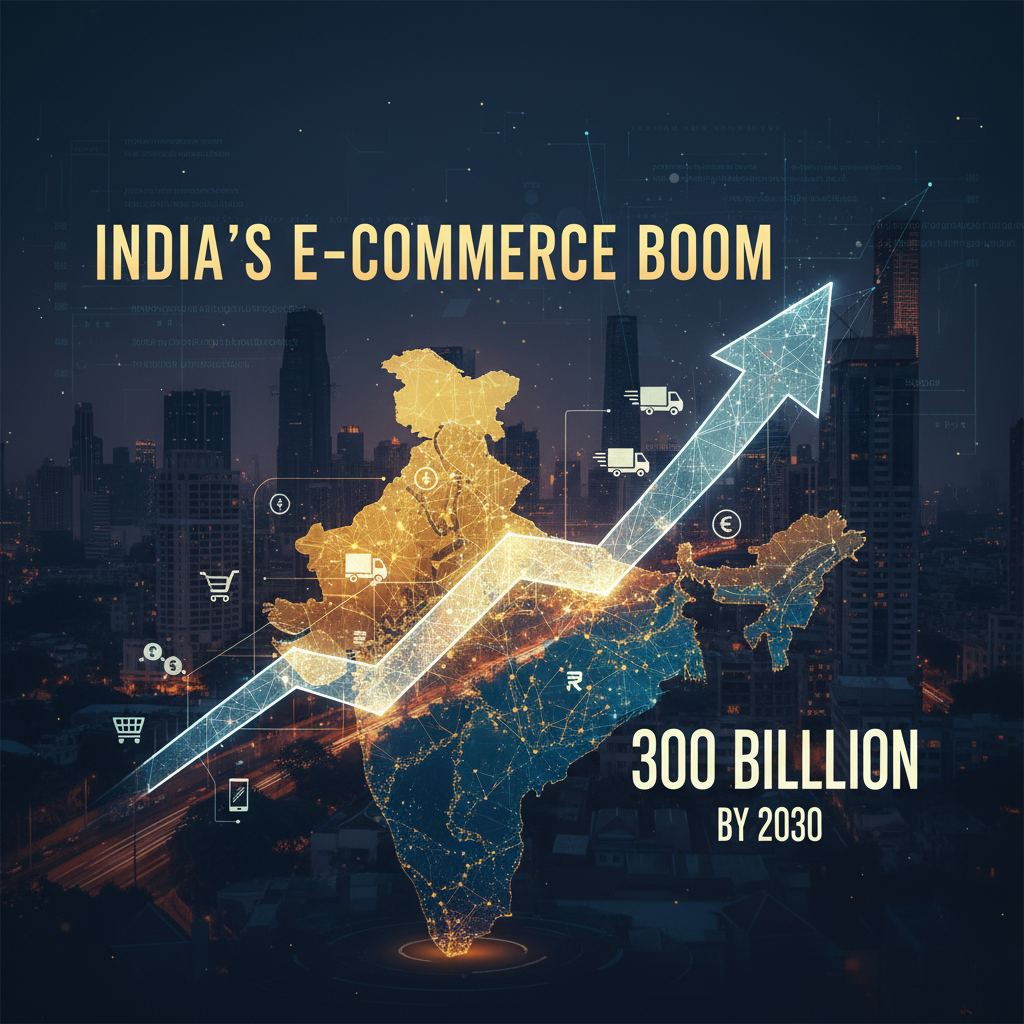
D2C food brand Epigamia has announced significant changes in its leadership structure. Ritesh Gauba, formerly with Mars, has been appointed as the new Chief Executive Officer. Concurrently, Ankur Goel, the company’s Chief Operating Officer, has been elevated to the role of co-founder. Founded in 2015, Epigamia began with Greek yogurt and has since diversified its product portfolio to include artisanal curd, snack packs, mishti doi, and smoothies. The brand has a presence across over 25,000 retail touchpoints and has successfully raised $60 million to date. Operating within the burgeoning Indian D2C segment, which is projected to reach a $300 billion market by 2030, Epigamia is strategically positioned to capitalize on growing consumer demand for niche and convenient products.
Sarvam and Pixxel Partner for Orbital Data Centre Satellite
In a move set to advance artificial intelligence and space technology, AI firm Sarvam is collaborating with spacetech startup Pixxel to launch India’s first orbital data centre satellite, named Pathfinder, by the fourth quarter of 2026. The 200-kilogram satellite will be developed, launched, and operated by Pixxel, with Sarvam managing AI-based training and inference directly in orbit. This partnership aims to serve companies that could benefit from orbital data centre deployment. This initiative follows similar ventures in the low-earth orbit sector, including NeevCloud and Agnikul’s MoU for inference infrastructure deployment, and GalaxEye’s recent launch of the world’s first OptoSAR satellite, highlighting a growing trend in space-based data processing and AI applications.
CHOSEN Secures $5 Million in Series A Funding
The D2C skincare and haircare brand CHOSEN has successfully raised approximately ₹48 Cr ($5 million) in a Series A funding round led by Fireside Ventures. The capital infusion is earmarked for expanding its product pipeline, scaling its center of excellence, and growing its team. Established in 2020, CHOSEN offers a range of IoT-powered products across skincare, haircare, and wellness categories, boasting over 55 stock-keeping units (SKUs). With this latest funding, the brand has now raised over $6 million to date. The investment underscores the robust growth in the beauty and personal care sector, driven by evolving consumer preferences and the rise of well-funded D2C brands, with the market projected to exceed $28 billion by 2030.
Coratia Technologies Develops Underwater Robots for Infrastructure Protection
Coratia Technologies, a deeptech startup founded in 2021, is developing indigenous underwater robots designed for the surveillance, inspection, and repair of critical underwater infrastructure. The company’s product portfolio includes Jaladuta for civilian and industrial inspection, Jalasimha, a remotely operated vehicle with a 300-meter diving capability, Oceanaus, a compact modular robot, and Navya, an autonomous surface vehicle for hydrographic surveys. With increasing geopolitical attention on undersea assets, Coratia’s robots are engineered to inspect bridges, dams, pipelines, and cables, and support mine-detection and intrusion assessment missions. Backed by the defense ministry’s iDEX scheme, Coratia has secured a ₹66 Cr contract from the Indian Navy and collaborates with various defense agencies and major public and private sector clients, including Indian Railways, SAIL, IOCL, Tata Steel, and Hindalco. The Indian undersea robotics market is projected to reach $310 million by 2032, positioning Coratia to play a significant role in protecting subsea infrastructure.
About the Author