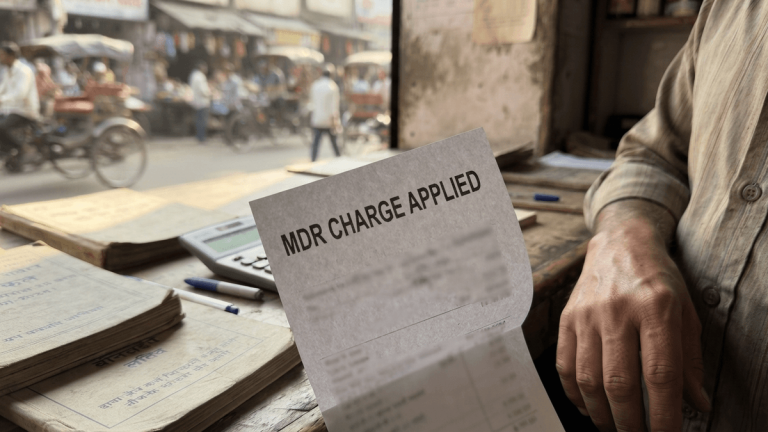
A memo detailing the new Merchant Discount Rate structure at a retail store.
The Indian government is moving to discontinue subsidy support for Unified Payments Interface (UPI) transactions, marking a significant shift in the country’s digital payments policy. As the ecosystem achieves scale, authorities are pivoting toward a model reliant on Merchant Discount Rate (MDR) revenue rather than state-funded incentives.
According to reports, no new subsidy disbursements for UPI and RuPay transactions have been processed since April 2025. This decision reflects a strategic effort to reduce the fiscal burden on the exchequer while encouraging the payment infrastructure to become financially self-sustaining. The move follows a period of declining incentive disbursements over recent fiscal years, indicating that the initial phase of government-led adoption support has largely served its purpose.
For institutional investors and fintech stakeholders, this transition suggests that the Indian digital payments market is reaching a critical inflection point of maturity. The introduction of standardized MDR fees is expected to provide the necessary revenue streams for banks and payment service providers to maintain infrastructure without relying on government intervention. This shift is likely to encourage further private capital allocation into value-added services and credit-based financial products, as the core payment layer moves toward a profitability-focused framework.
Market analysts suggest that while the removal of subsidies may test the resilience of small-ticket transaction volumes, the long-term impact is expected to foster a more stable and efficient digital economy. The policy evolution underscores a broader trend in emerging markets where state-backed digital public infrastructure eventually transitions to private-sector market mechanics.
About the Author