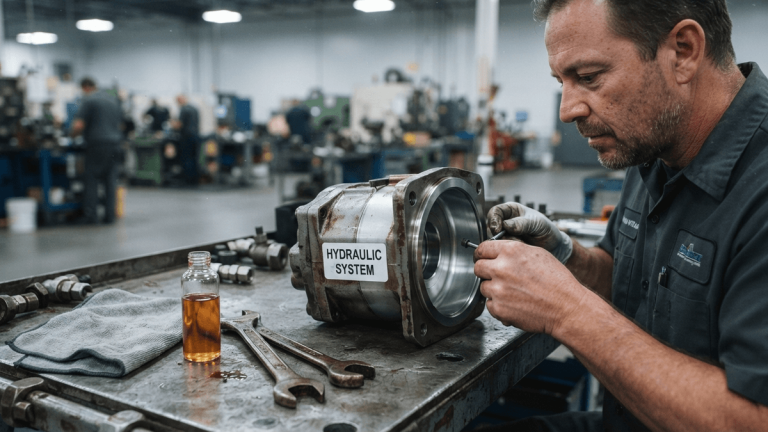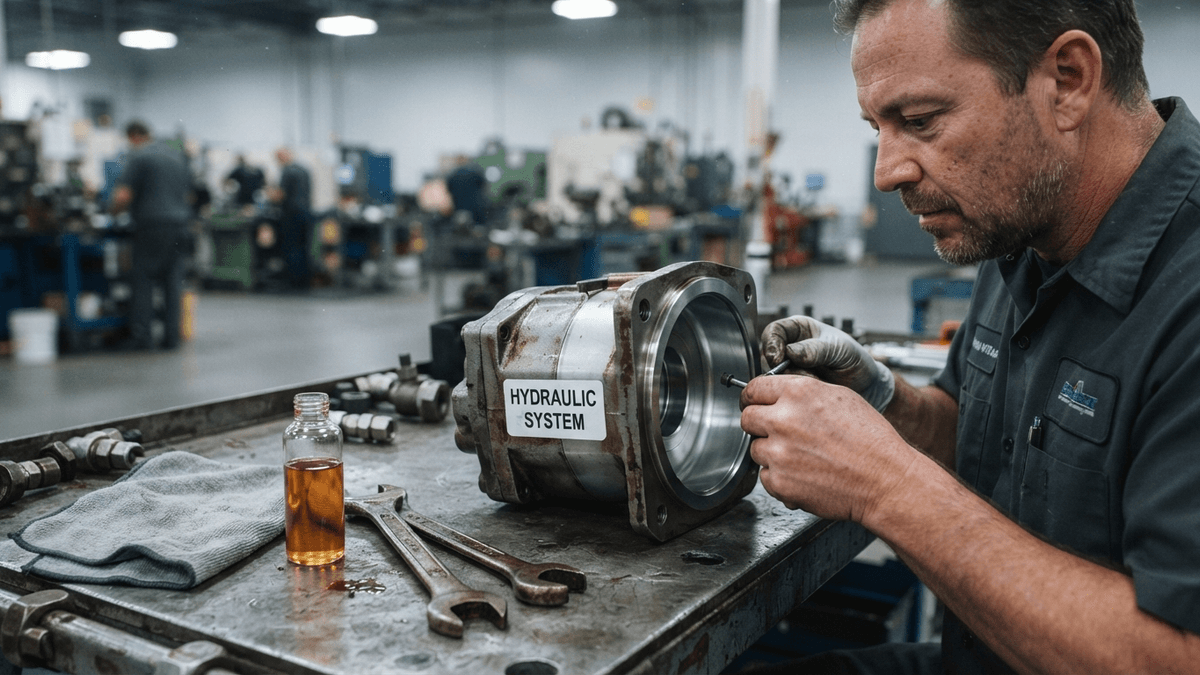
A technician inspects a hydraulic pump housing during routine maintenance.
The global market for rust inhibitor additive concentrates is entering a period of sustained expansion, with projections indicating a compound annual growth rate of 4 to 6 percent through 2035. This steady trajectory is underpinned by the essential nature of corrosion control in maintaining equipment reliability across global manufacturing, construction, and transport sectors.
Hydraulic systems currently serve as the primary demand driver, representing roughly 30 percent of the total market. As industrial machinery experiences increased operational pressures and thermal demands, the requirement for high-performance additive concentrates has become a critical factor in mitigating downtime and meeting stringent regulatory maintenance standards.
From an investment and supply chain perspective, the market is undergoing a strategic shift. While volume remains centered on functional-grade products, revenue growth is increasingly concentrated in high-purity, specialty formulations essential for the aerospace and electronics industries. This bifurcation offers opportunities for chemical manufacturers capable of navigating complex regional compliance and providing the technical assurance required by high-stakes end users.
Geographically, the industry is realigning to match the expansion of manufacturing hubs throughout Southeast Asia and India. For institutional investors and private equity firms monitoring industrial chemicals, the focus is shifting toward suppliers that can effectively manage regional supply chain complexities and maintain a diverse portfolio of specialized additives. As infrastructure projects continue to age globally, the demand for preventative maintenance solutions like rust inhibitors remains a resilient, if understated, component of industrial capital expenditure.
About the Author