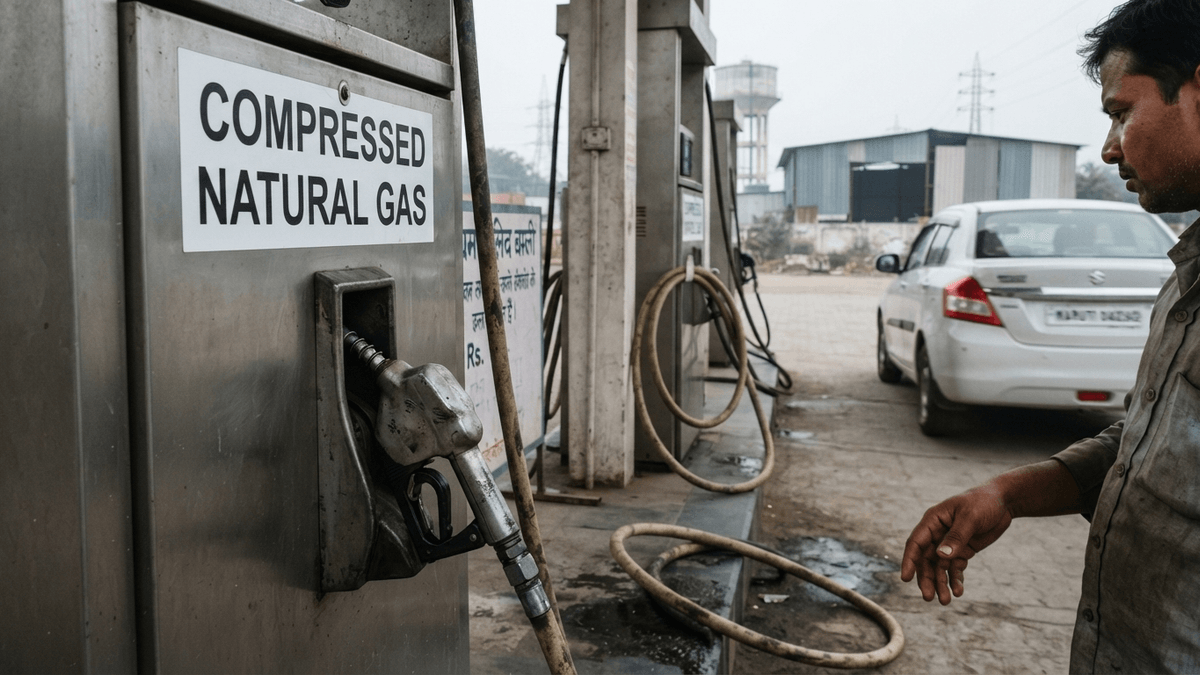
A CNG fueling station in India reflects the country's rising demand for natural gas.
India is witnessing a steady rise in natural gas imports this fiscal year, despite facing significant price volatility in the global spot LNG market. For institutional investors and private equity firms monitoring the energy sector, this trend highlights a critical shift in domestic consumption patterns, primarily fueled by the fertilizer industry and the rapid expansion of compressed natural gas (CNG) infrastructure.
The fertilizer sector remains the dominant driver of import volumes, benefiting from government subsidies that insulate the industry from immediate price shocks. This sustained demand provides a degree of revenue predictability for energy infrastructure assets, even as domestic production faces structural declines. Conversely, the growth of the CNG vehicle market reflects a broader transition in India’s transport sector, offering long-term investment opportunities in distribution networks and midstream logistics.
However, the surge in spot LNG prices presents a strategic challenge for capital allocators. While current demand remains resilient, persistent high pricing could force a re-evaluation of downstream project viability and consumer adoption rates. Investors are now closely weighing the balance between India’s urgent energy security needs and the inflationary risks posed by global commodity markets. As the government continues to prioritize energy transition, the reliance on imported gas underscores the necessity for increased private capital participation in infrastructure development to mitigate supply chain risks and enhance operational efficiency.
About the Author