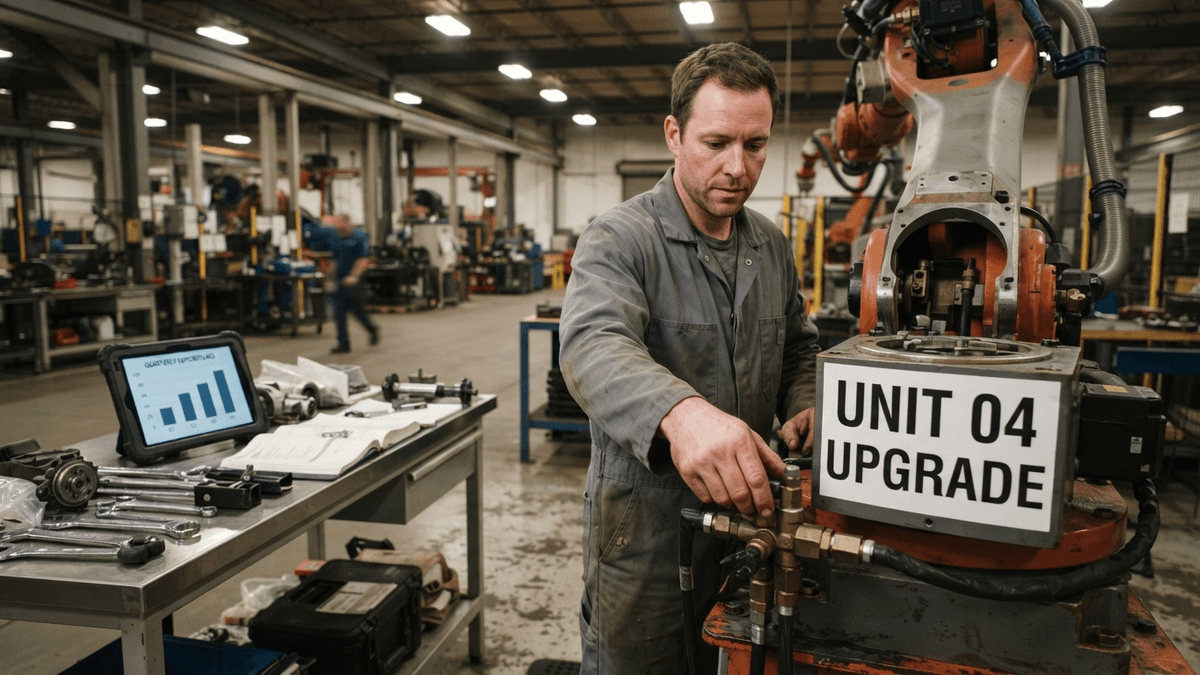
A technician performs a maintenance upgrade on a robotic arm in a machinery facility.
The second quarter served as a critical stress test for the general industrial machinery sector, as publicly traded entities and private market participants alike grappled with persistent inflationary pressures and shifting demand profiles. Firms are increasingly prioritizing operational efficiency, with capital allocation strategies heavily weighted toward automation and long-term infrastructure projects.
For institutional investors, the data highlights a clear divergence in performance. Companies that successfully navigated supply chain volatility through disciplined inventory management and strategic pricing power demonstrated resilience. Conversely, firms heavily exposed to cyclical downturns faced significant pressure on margins.
Strategic focus remains on the integration of advanced manufacturing technologies to hedge against rising labor costs. As the fiscal year progresses, the sector is expected to see continued M&A activity driven by a need for consolidation and the pursuit of specialized industrial capabilities. Investors should monitor industrial output data closely, as it remains the primary leading indicator for capital expenditure cycles in the broader manufacturing landscape.
About the Author