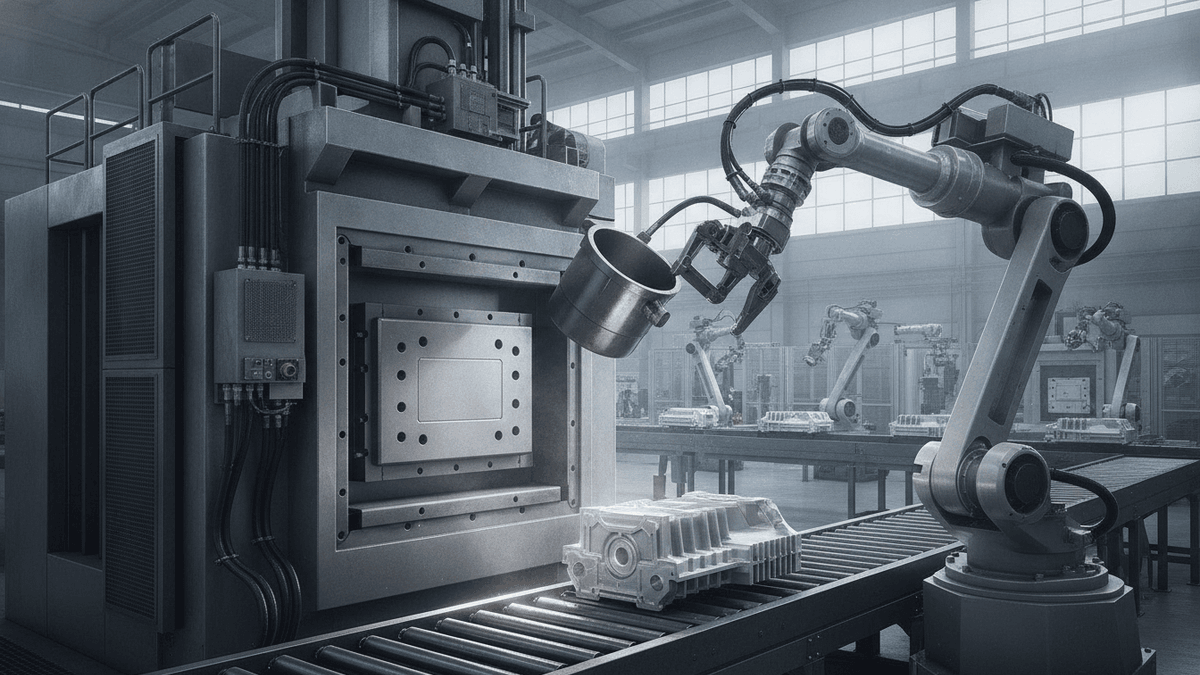
High-Pressure Die Casting machine in operation, manufacturing facility.
The global markets for Drum Type Mixers, High-Pressure Die Casting (HPDC), and Roller Recirculating Units are poised for substantial expansion between 2026 and 2035. This growth is largely attributed to increasing automation, the burgeoning electric vehicle (EV) sector, and ongoing infrastructure investments worldwide.
The Drum Type Mixer market is anticipated to grow from USD 1.57 billion in 2026 to USD 2.56 billion by 2035, with a Compound Annual Growth Rate (CAGR) of 5.64%. This expansion is primarily driven by robust construction activities and general industrial development. Key trends indicate a strong preference for automated and energy-efficient drum mixers, alongside a demand for portable and smart monitoring features.
Similarly, the HPDC market is projected to reach USD 121.6 billion by 2035, growing at a CAGR of 6.1%. This surge is fueled by the increasing demand for lightweight components in EVs and the aerospace industry, coupled with an overall rise in automotive production. The adoption of advanced materials such as aluminum and magnesium alloys is a significant factor in this segment’s growth.
The Roller Recirculating Units market is also set for considerable growth, with a projected CAGR of 5-7%. Investments in factory automation, precision manufacturing, and semiconductor fabrication are the primary catalysts for this expansion.
Across these sectors, a common theme is the rise of automation, coupled with a demand for energy-efficient and smart features. The use of advanced materials is also a critical trend shaping product development and market dynamics.
Geographically, the Asia-Pacific region is identified as a major growth driver for all three markets. North America and Europe are also expected to witness substantial activity, contributing significantly to the global market expansion.
Despite the positive growth outlook, the markets face challenges including raw material price volatility, persistent supply chain issues, and high maintenance costs. These factors may influence investment strategies and operational efficiencies for companies within these sectors.
Leading companies in these respective fields are concentrating on technological advancements, enhancing automation, and improving overall efficiency to capitalize on market opportunities. Recent developments by key players highlight a commitment to innovation in control systems, component design, and smart monitoring technologies.
About the Author