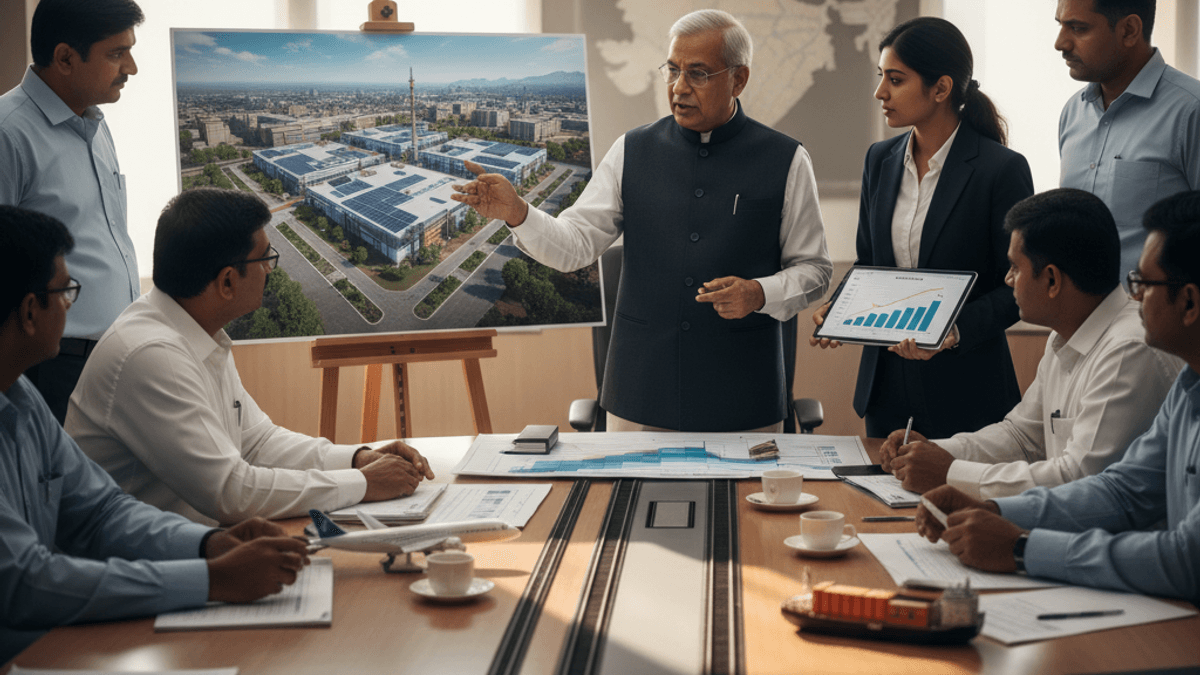
Cabinet members discuss industrial growth and economic support for key sectors.
ECLGS 5.0: A Strategic Financial Lifeline for Indian Businesses
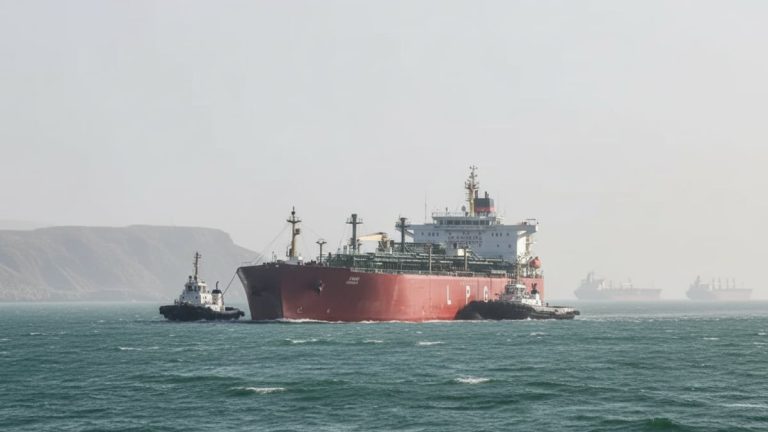
In a significant move to bolster the Indian economy, the Union Cabinet has sanctioned the Emergency Credit Line Guarantee Scheme 5.0 (ECLGS 5.0). This latest iteration of the credit guarantee scheme is specifically tailored to provide substantial financial support to Micro, Small, and Medium Enterprises (MSMEs) and the aviation sector, both of which are susceptible to economic headwinds. The approval comes at a critical juncture, with global geopolitical tensions, particularly those emanating from the Gulf region, posing potential risks to economic stability and supply chains. ECLGS 5.0 is designed to act as a crucial buffer, ensuring continued access to credit for these vital sectors, thereby safeguarding employment and economic activity.
Expanding Industrial Capacity: Semiconductor Manufacturing and Infrastructure Projects
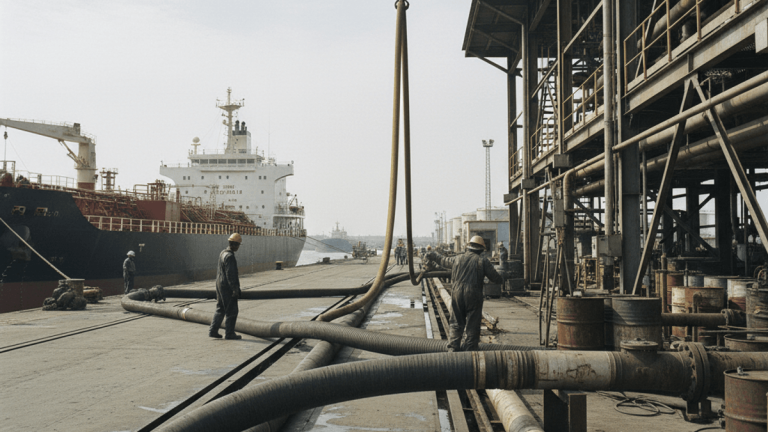
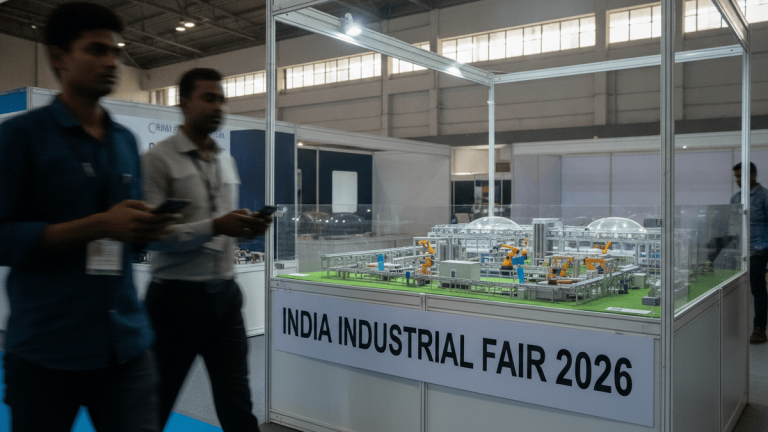
Beyond the immediate financial relief measures, the Cabinet’s decisions also signal a strong focus on enhancing India’s industrial and manufacturing capabilities. The approval for the establishment of two new semiconductor manufacturing units marks a strategic leap towards self-reliance in a critical technology sector. This initiative is expected to attract significant investment, foster technological advancement, and create a robust ecosystem for electronics manufacturing within the country. Furthermore, the green light for extensive railway infrastructure projects and the development of a dedicated ship repair facility underscores the government’s commitment to modernizing the nation’s core infrastructure. These projects are poised to not only improve logistical efficiency and connectivity but also to stimulate substantial job creation across various skill sets, contributing to overall economic growth and industrial development.
Economic Cushioning Amidst Global Uncertainty
The launch of ECLGS 5.0 is a proactive measure by the government to mitigate the potential economic fallout from ongoing global conflicts. The MSME sector, often considered the backbone of the Indian economy, is particularly vulnerable to disruptions in trade and increased operational costs. Similarly, the aviation industry, still recovering from the impacts of the pandemic, faces renewed challenges from fluctuating fuel prices and potential impacts on international travel. By extending the guarantee scheme, the government aims to ensure that these businesses can access the necessary working capital to navigate these turbulent times. This financial infusion is expected to prevent liquidity crunches, support operational continuity, and maintain business confidence, thereby preventing a slowdown in economic momentum. The scheme’s structure will likely involve government guarantees on a portion of the credit extended, reducing the risk for financial institutions and encouraging them to lend to eligible businesses.
Boosting Industrial Output and Employment Opportunities
The multi-pronged approach adopted by the Cabinet, encompassing financial support schemes and infrastructure development, reflects a comprehensive strategy for economic resilience and growth. The establishment of new semiconductor units and the expansion of railway and maritime infrastructure are long-term investments that will significantly enhance India’s industrial capacity. These projects are anticipated to generate a considerable number of direct and indirect employment opportunities, ranging from skilled manufacturing and engineering roles to construction and support services. This focus on industrial expansion and infrastructure enhancement is crucial for sustained economic development, positioning India to capitalize on future growth opportunities and reduce its dependence on imports for critical components and services. The synergy between financial support for existing businesses and investment in new industrial ventures is expected to create a virtuous cycle of growth and job creation.
About the Author