Fambo: Reshaping India’s QSR Supply Chain for Explosive Growth
India’s quick service restaurant (QSR) industry is experiencing a remarkable boom. With nearly 50,000 establishments, both organized and unorganized, the sector is currently valued at a staggering $27.80 billion. Fueling this growth is a complex web of supply chains, and at the forefront of streamlining this crucial aspect is Fambo. This article explores how Fambo is addressing the challenges and opportunities within India’s QSR landscape.
The QSR Revolution in India
The QSR sector in India is dynamic, characterized by rapid expansion and evolving consumer preferences. This growth is not merely about more restaurants; it’s about a fundamental shift in how Indians eat and experience food. With increasing disposable incomes and a penchant for convenience, the demand for quick, affordable, and tasty meals has skyrocketed. However, this growth places immense pressure on the supply chains that support these restaurants. Efficient, reliable, and cost-effective supply chains are no longer optional – they are essential for survival and success.
Fambo’s Role: Fixing the Broken Links
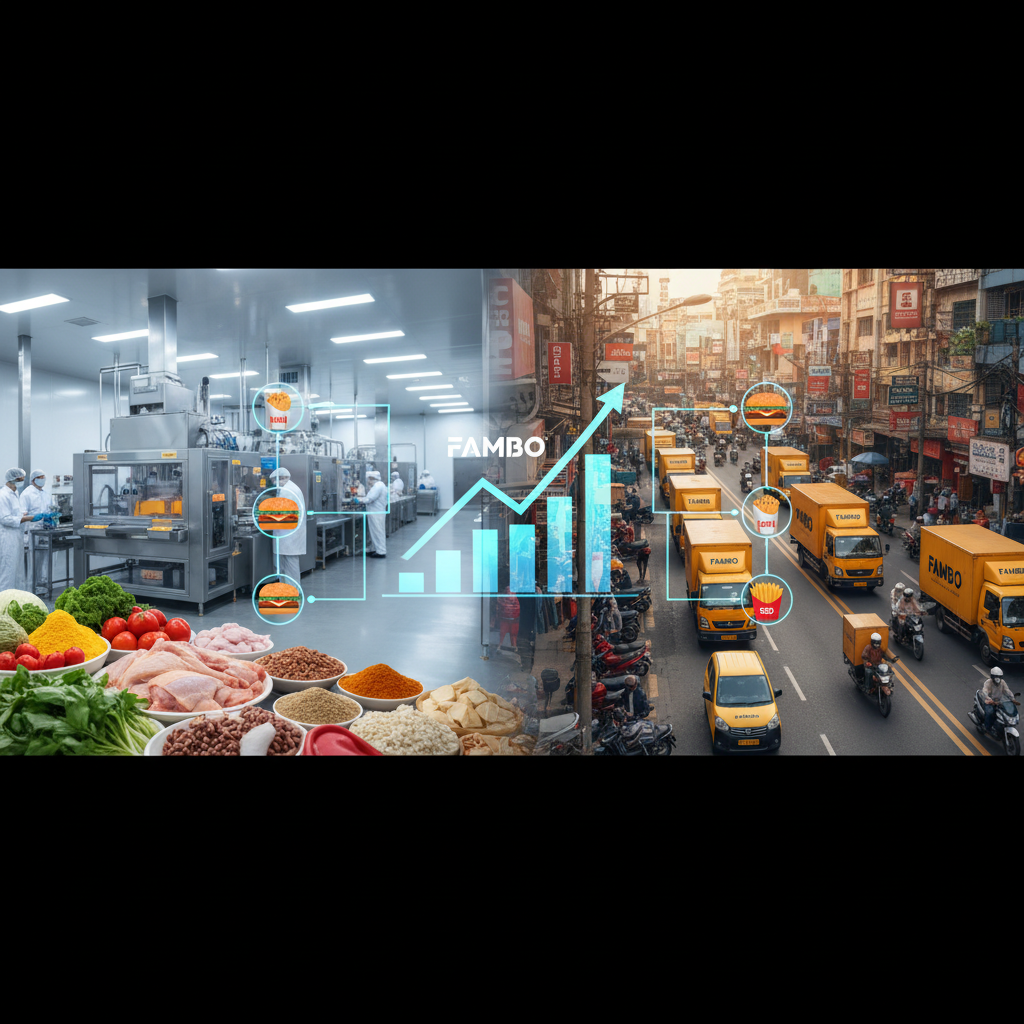
Fambo has emerged as a key player in optimizing the supply chain for India’s QSR industry. By focusing on the intricacies of food processing and logistics, Fambo provides critical support to restaurants across the country. The company understands that the QSR business is highly dependent on the availability of fresh ingredients, timely deliveries, and minimal wastage. Fambo’s solutions are therefore designed to address these specific needs.
Streamlining Food Processing
One of Fambo’s core strengths lies in its approach to food processing. They work to ensure the quality and consistency of ingredients that QSRs rely on. This involves careful sourcing, stringent quality control measures, and efficient processing techniques. By doing so, Fambo helps restaurants maintain high standards and offer consistent food quality to their customers. This is particularly important in a market where brand reputation is crucial.
Optimizing Logistics and Distribution
Beyond food processing, Fambo excels in logistics and distribution. They have developed robust systems to manage the transportation of goods from suppliers to restaurants. This includes managing temperature-controlled storage, efficient delivery routes, and real-time tracking. By optimizing these processes, Fambo helps minimize delivery times, reduce food spoilage, and ensure that restaurants can operate smoothly and efficiently. The integration of technology is a critical component of their logistics strategy.
Supporting the QSR Boom
Fambo’s efforts are directly contributing to the growth of the QSR industry in India. By providing reliable and efficient supply chain solutions, they are enabling restaurants to focus on their core business: creating great food and providing excellent customer service. This support is particularly crucial for smaller and emerging QSR brands that may not have the resources to build their own complex supply chains. Fambo provides them with a competitive edge, allowing them to scale their operations more effectively.
The Future: Growth and Innovation
As the QSR industry in India continues to expand, the demand for sophisticated supply chain solutions will only increase. Fambo is well-positioned to meet these evolving needs. Their commitment to innovation, quality, and efficiency makes them a valuable partner for restaurants across the country. They are not just a supplier; they are a key enabler of the QSR boom, helping to shape the future of India’s food industry.
In conclusion, Fambo’s strategic focus on supply chain optimization is instrumental in supporting the rapid growth of India’s QSR sector. By addressing critical needs in food processing and logistics, Fambo is helping restaurants thrive in a competitive market. As the industry continues to evolve, Fambo’s innovative approach will undoubtedly play a vital role in its ongoing success. The company’s work exemplifies how strategic partnerships and efficient operations can drive significant industry-wide advancements.
About the Author