India’s Wholesale Inflation Climbs in January 2026: Key Sector Insights
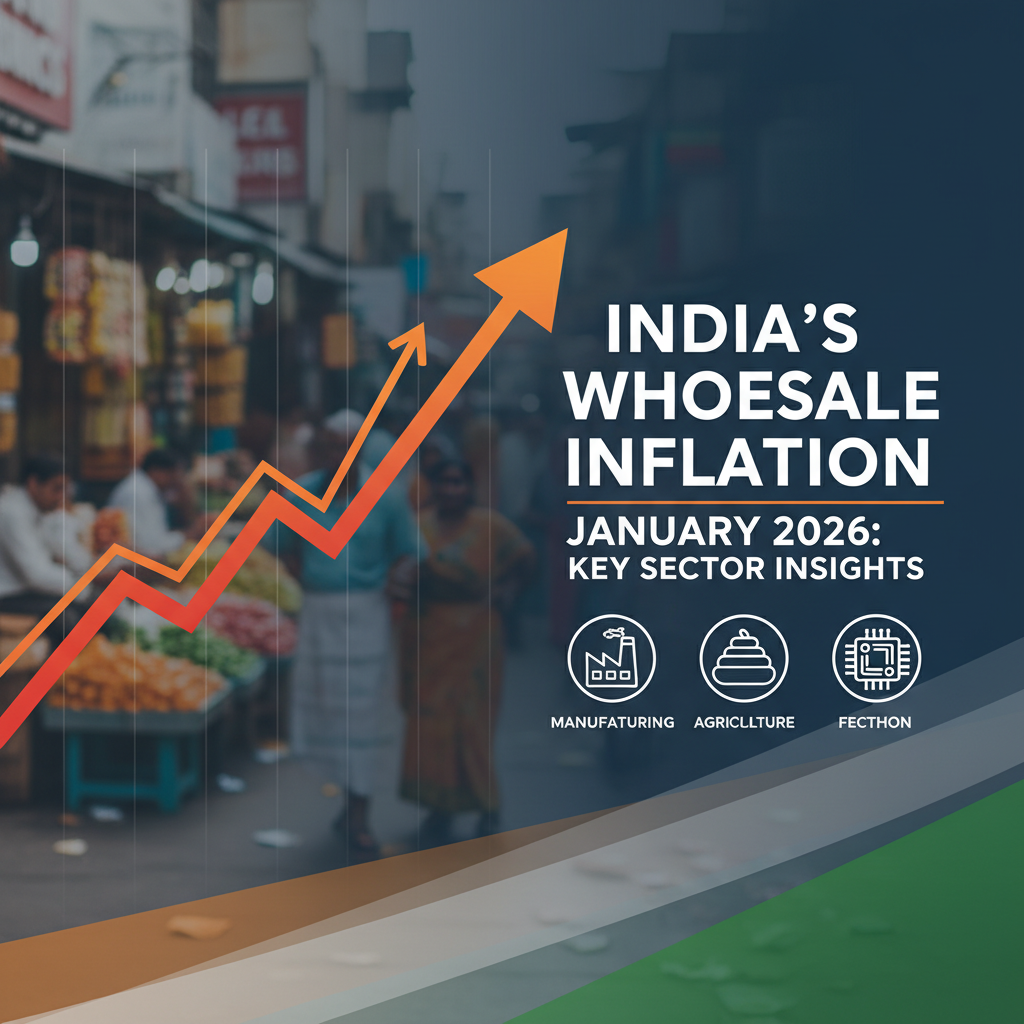
In January 2026, India witnessed a rise in wholesale inflation, according to recent data. The Wholesale Price Index (WPI)-based inflation reached 1.81%, marking an increase from the 0.83% recorded in December 2025. This shift reflects evolving dynamics within the Indian economy, particularly within its manufacturing sectors.
Understanding the Inflationary Pressures
The primary driver behind the positive WPI inflation rate in January 2026 was the increase in prices across several key areas. Notably, the manufacturing of basic metals saw a price surge. Additionally, other manufacturing sectors contributed to the inflationary trend. Furthermore, non-food articles also experienced price increases, collectively pushing the wholesale inflation figures upward. These factors, as highlighted by the Business Standard, paint a picture of broader price pressures within the wholesale market.
Sector-Specific Analysis
Delving deeper into the specifics, the increase in the prices of basic metals is a critical factor. This sector often serves as a barometer for overall industrial activity. Similarly, the price movements in other manufacturing segments underscore the complex interplay of supply and demand, production costs, and global market influences. The rise in non-food article prices adds another layer to this scenario, potentially reflecting shifts in consumer demand or supply chain disruptions. The interplay of these sectors provides a comprehensive view of the inflationary pressures experienced during this period.
Economic Implications and Broader Context
The rise in wholesale inflation in January 2026 has implications that extend beyond immediate price changes. It influences the cost of production for various industries, potentially impacting consumer prices in the future. Monitoring these trends is crucial for understanding the overall health of the Indian economy. The Reserve Bank of India (RBI) and other economic policymakers will likely be closely watching these developments to formulate appropriate strategies. The January 2026 data provides a snapshot of the economic landscape and its challenges.
Conclusion
In summary, the increase in India’s wholesale inflation to 1.81% in January 2026, up from 0.83% the previous month, signals important shifts within the Indian economy. Driven by price increases in the manufacture of basic metals, other manufacturing sectors, and non-food articles, these trends require close attention. Understanding these dynamics is essential for policymakers, businesses, and consumers to navigate the evolving economic environment. Further analysis and monitoring of these trends will be critical in the coming months.
About the Author