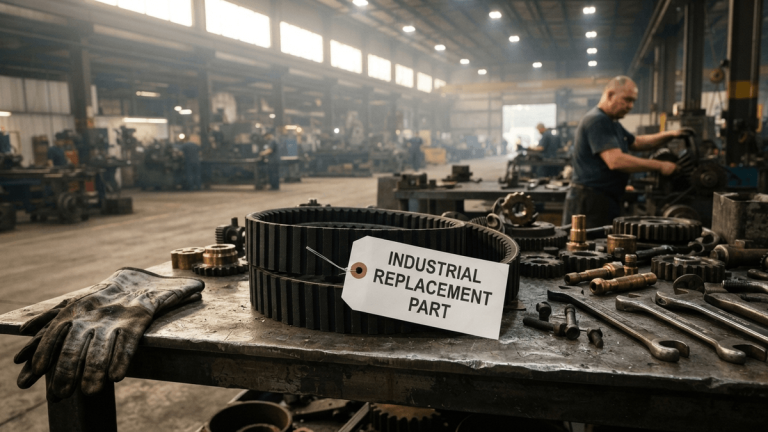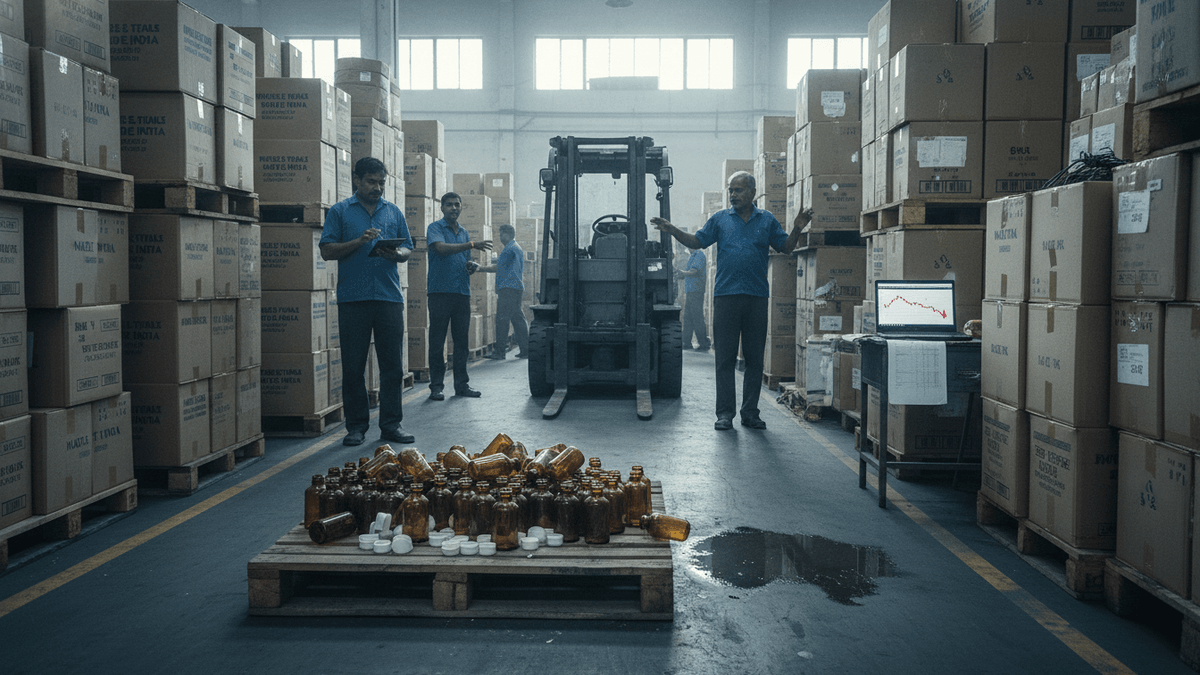
Indian D2C brand warehouse, rising packaging costs.
The escalating geopolitical tensions in West Asia are creating significant headwinds for India’s Direct-to-Consumer (D2C) brands. Spikes in crude oil prices have led to increased costs for packaging materials and transportation, squeezing already tight margins and forcing many brands to reconsider their pricing strategies.
The supply chain is under considerable strain, particularly for D2C brands reliant on imported inputs and petrochemical-based packaging. Founders report that while consumer demand remains steady, the backend economics are becoming increasingly challenging. The cost of production is rising across the board due to higher fuel prices and disrupted supply lines, impacting factory output and further reducing profit margins. Packaging costs, especially for items like bottles and caps derived from crude oil, are a major pain point.
Logistics costs are also expected to rise, disproportionately affecting smaller D2C brands with less efficient distribution networks. While larger companies may absorb some of these costs across a broader operational base, newer entrants have limited capacity to do so. Many brands are opting to soften the impact by reducing discounts or trimming product grammage, rather than implementing abrupt price hikes, to safeguard market share.
In a separate development, contract manufacturing company Aequs reported a net loss of INR 53.7 crore in the fourth quarter of fiscal year 2026, a sharp reversal from a profit of INR 8.9 crore in the same quarter last year. This downturn was attributed to increased operating costs stemming from its expansion into consumer electronics. Despite a 47% year-on-year increase in operating revenue to INR 367.1 crore, Aequs’ EBITDA declined by 23% year-on-year to INR 32 crore, with EBITDA margins nearly halving to 9%.
For the full fiscal year 2026, Aequs’ net loss widened by 11% to INR 113.3 crore, even as its top line grew 33% to INR 1,230.4 crore. The company’s foray into consumer electronics appears to be a significant factor impacting its profitability.
In other financial news, fintech company slice reported its first full year of profitability, posting a net profit of INR 48.4 crore in FY26, a substantial improvement from a net loss of INR 216.7 crore in FY25. Total income grew by 132% year-on-year to INR 1,402.7 crore.
Venture capital firm Fundamentum has launched a new private investment platform with a corpus of INR 2,000 crore, focusing on deeptech and AI startups. Infosys co-founder Nandan Nilekani is slated to be an anchor investor.
AI startup Human Archive raised $8.2 million to build a comprehensive dataset for training physical AI systems, leveraging India’s industrial diversity and labor density.
B2B quick commerce platform Fairdeal.Market secured $15 million in Series A funding, led by Bertelsmann India Investments, to scale its operations and expand its retailer network.
The report also highlights the emerging protein snacking market in India, with startups like Stroom aiming to capture a share of the projected $1.3 billion market by 2030 by offering palatable and accessible high-protein options.
About the Author