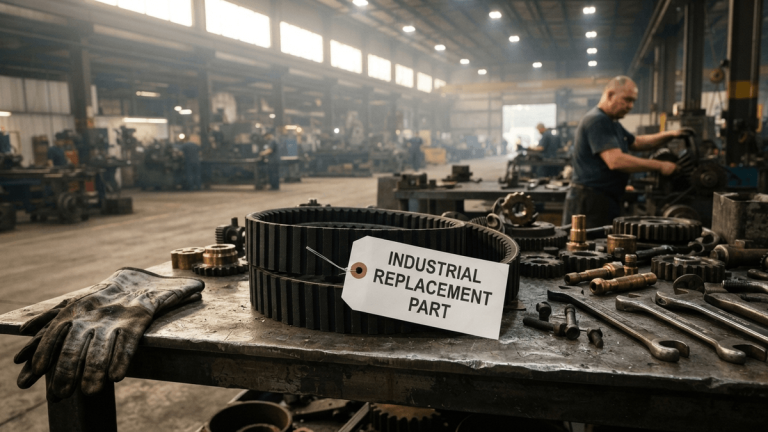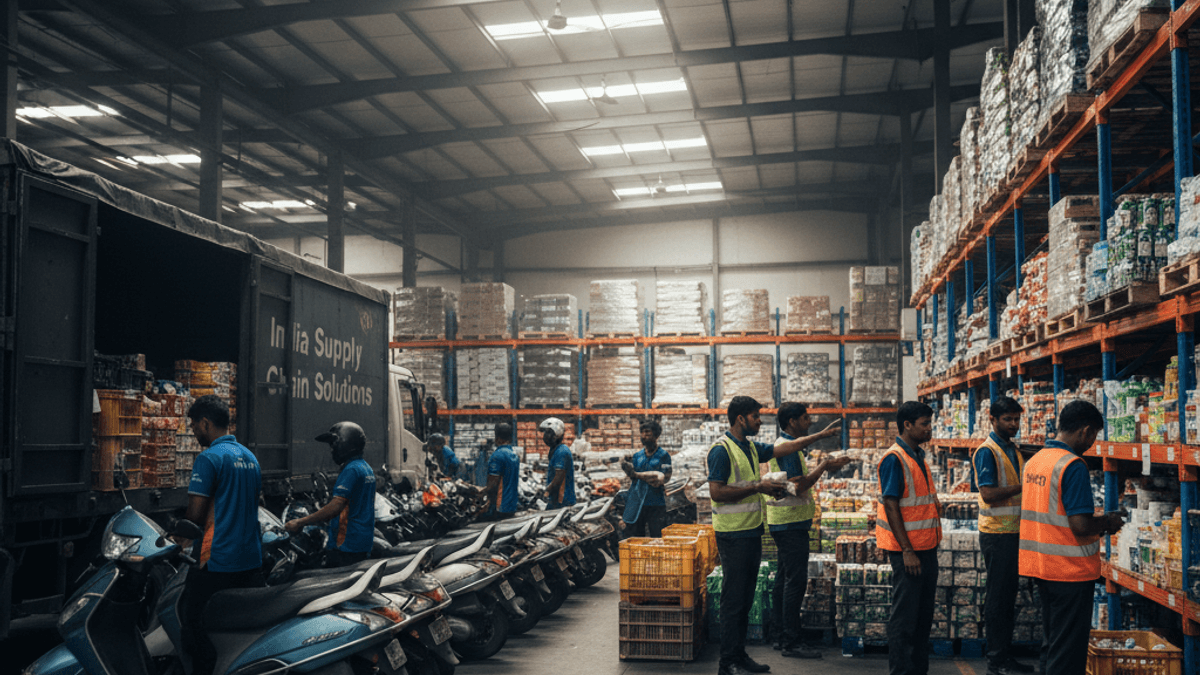
Warehouse workers manage inventory and delivery scooters, reflecting Swiggy's shift to an inventory model in India.
Foodtech major Swiggy has begun the process of transitioning into an Indian-owned and controlled company (IOCC), a move that will enable its quick commerce arm, Instamart, to shift from a marketplace model to an inventory ownership model. The company is seeking shareholder approval to amend its articles of association and adjust its board nomination framework to achieve this.
This strategic pivot is aimed at bolstering domestic control over the company, particularly in the absence of a dominant promoter group. By adopting an inventory ownership model, Swiggy intends to procure directly from brands, sell on its platform, and recognize net sales revenue instead of commissions. This is expected to lead to higher margins, enhanced supply chain control, including warehousing and logistics, and improved customer service.
The Foreign Exchange Management Act (FEMA) rules stipulate that for a company to qualify as an IOCC, both ownership and control must rest with resident Indian citizens or eligible Indian entities, with board composition and nomination frameworks supporting domestic control.
Swiggy has been strategically preparing for this transition. Last year, it launched a separate Instamart app and hived off the quick commerce vertical into a step-down subsidiary. In October 2025, CEO Sriharsha Majety indicated that Instamart would eventually adopt an inventory-led model.
This strategic shift mirrors that of rival Blinkit, which transitioned to an inventory model after its parent company, Eternal, became an IOCC in April 2025. Blinkit has since seen significant revenue growth, with its Q4 FY26 operating revenue increasing threefold year-on-year.
Swiggy Instamart reported a 48.7% year-on-year increase in adjusted revenue to ₹1,090 Cr in Q4 FY26. However, the adjusted EBITDA loss widened by 2% year-on-year to ₹858 Cr, indicating continued investment in growth.
About the Author