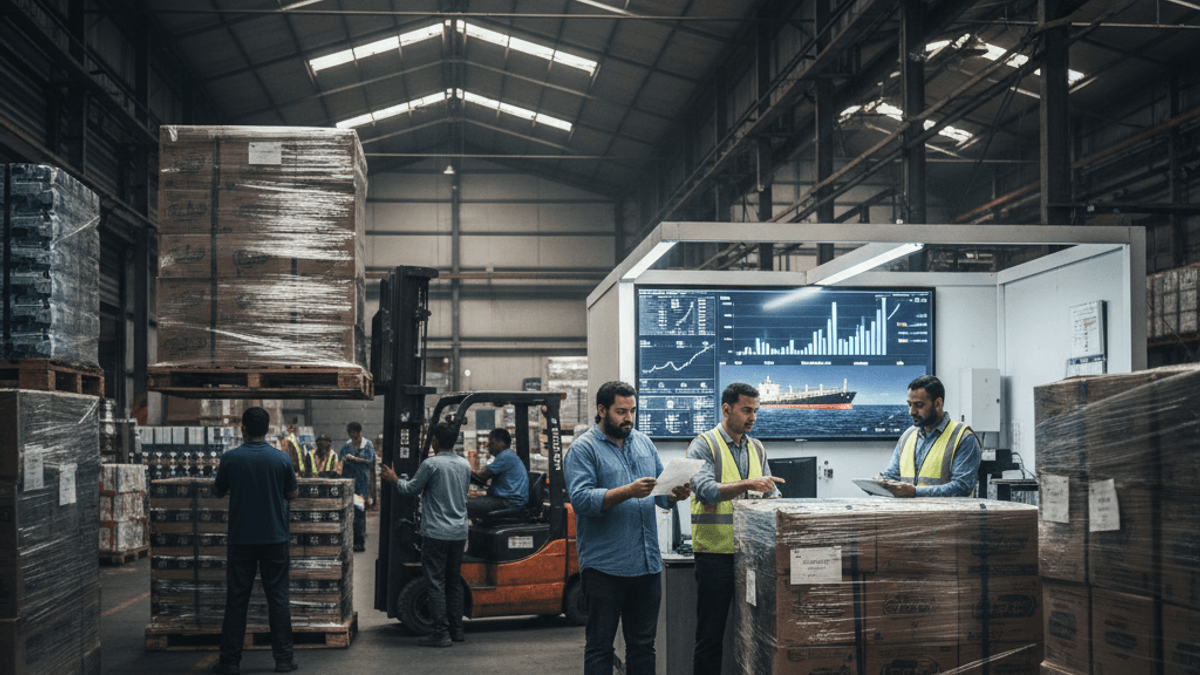
Warehouse workers managing logistics, reflecting global supply chain complexities.
Hindustan Unilever (HUL) reported a solid profit for the March quarter but cautioned investors about the financial implications of escalating geopolitical tensions in the Middle East, particularly the conflict in Iran. The company anticipates that these conflicts will impact both commodity prices and currency stability, leading to a more cautious approach to spending and a review of pricing strategies.
The FMCG giant’s management is implementing measures to mitigate the effects of these external pressures. This includes a focus on cost management, referred to as ‘tightening its purse strings,’ and a proactive adjustment of its pricing strategies to maintain margins in a volatile economic environment. While the specific details of these adjustments were not disclosed, the company’s stance indicates a strategic response to potential disruptions in supply chains and fluctuating input costs.
The situation highlights the interconnectedness of global geopolitical events and their direct impact on corporate financial performance, even for established players like HUL operating within the Indian market. The company’s ability to adapt its cost and pricing models will be crucial in navigating the challenges posed by the ongoing Middle East conflict.
About the Author