India’s Russian Oil Purchases: US Claims and Policy Implications
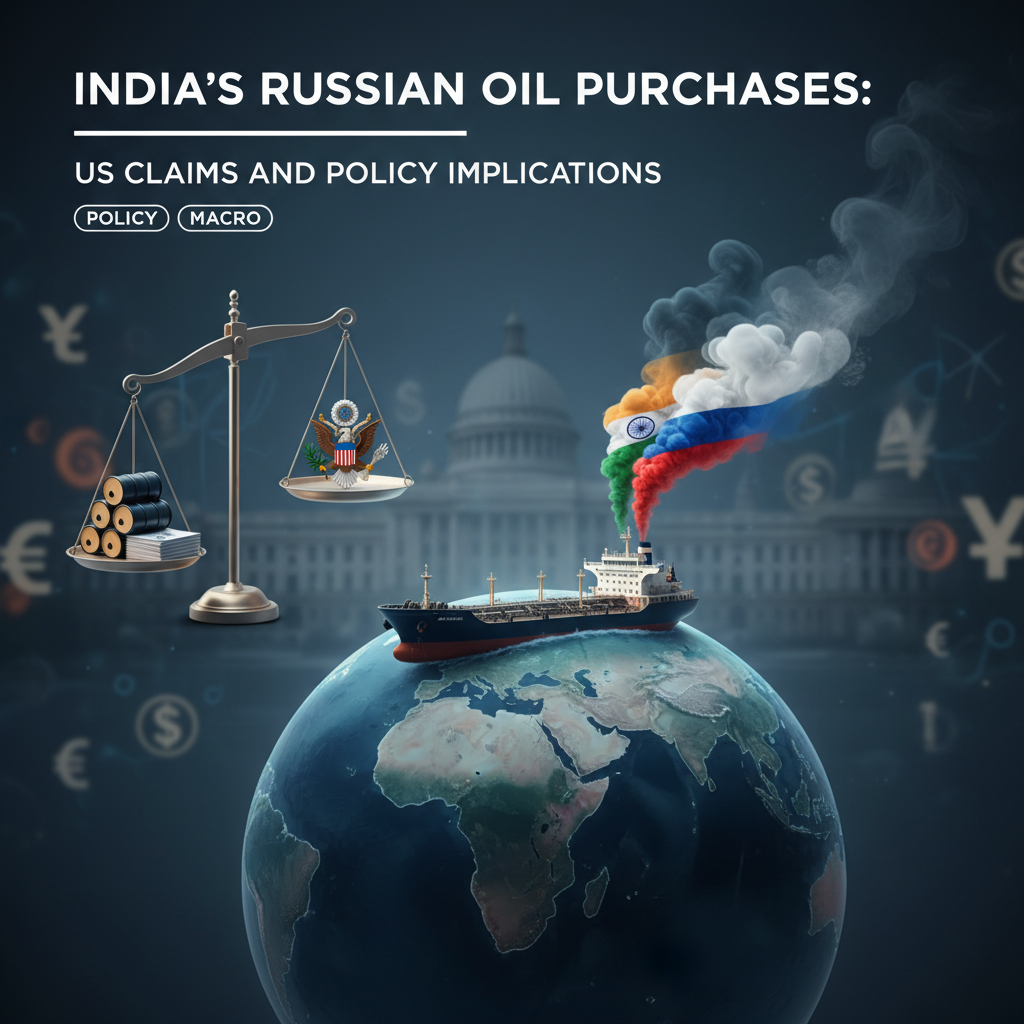
The complex interplay between energy policy, international relations, and economic interests is once again in the spotlight. Recent statements from US officials, including US Secretary of State Marco Rubio, indicate a significant development: India’s alleged commitment to cease further purchases of Russian oil. This follows earlier claims by former US President Donald Trump regarding a similar understanding. However, the situation is nuanced, and a deeper dive into the context reveals critical factors shaping this evolving scenario.
US Assertions and India’s Stance
The US government, through figures like Marco Rubio, has repeatedly emphasized India’s commitment to reducing its reliance on Russian oil. The focus of the US is to align global partners with its policy objectives, particularly in the wake of the ongoing conflict in Ukraine. The US’s stance is motivated by the desire to limit Russia’s financial resources, which are crucial for sustaining its military operations. However, India’s position has been consistently clear: its energy procurement decisions are primarily guided by national interests and the need to ensure supply chain stability. This includes securing the most advantageous deals to meet its vast energy demands.
The Economic and Strategic Context
India’s energy needs are substantial and growing, making it one of the world’s largest consumers of oil. The country has historically diversified its oil imports to mitigate risks and secure favorable terms. The availability of discounted Russian oil has presented an attractive option, particularly given the economic sanctions imposed on Russia by Western nations. These sanctions have created a situation where Russia is compelled to offer its oil at reduced prices, making it a lucrative proposition for price-sensitive buyers like India.
The strategic implications are also significant. India maintains a complex relationship with both the US and Russia. While it values its partnership with the US, it also has long-standing defense and economic ties with Russia. Navigating this tightrope requires careful diplomacy and a pragmatic approach to energy procurement. The decisions made regarding Russian oil imports are, therefore, not just economic but also have significant geopolitical ramifications.
Policy Implications and Future Outlook
The reported commitment, if fully implemented, would have several policy implications. It could potentially strengthen the US-India relationship and align India more closely with Western sanctions against Russia. However, it could also impact India’s energy security if alternative sources prove more expensive or less reliable. Furthermore, the situation underscores the challenges of balancing national interests with international pressures. The Indian government must carefully consider the trade-offs between economic benefits, strategic alliances, and the long-term stability of its energy supply chain.
As the situation unfolds, several questions remain. Will India completely halt new purchases of Russian oil, or will it gradually reduce its dependence? How will this impact the global oil market and the geopolitical landscape? The answers to these questions will significantly shape the future of India’s energy policy and its role in international relations.
The evolving situation highlights the importance of understanding the multifaceted nature of energy policy, particularly in a world marked by geopolitical tensions and economic uncertainties. The decisions made by India, the US, and Russia will have far-reaching consequences, impacting not only energy markets but also the broader dynamics of global power and influence.
Source: Economic Times
About the Author