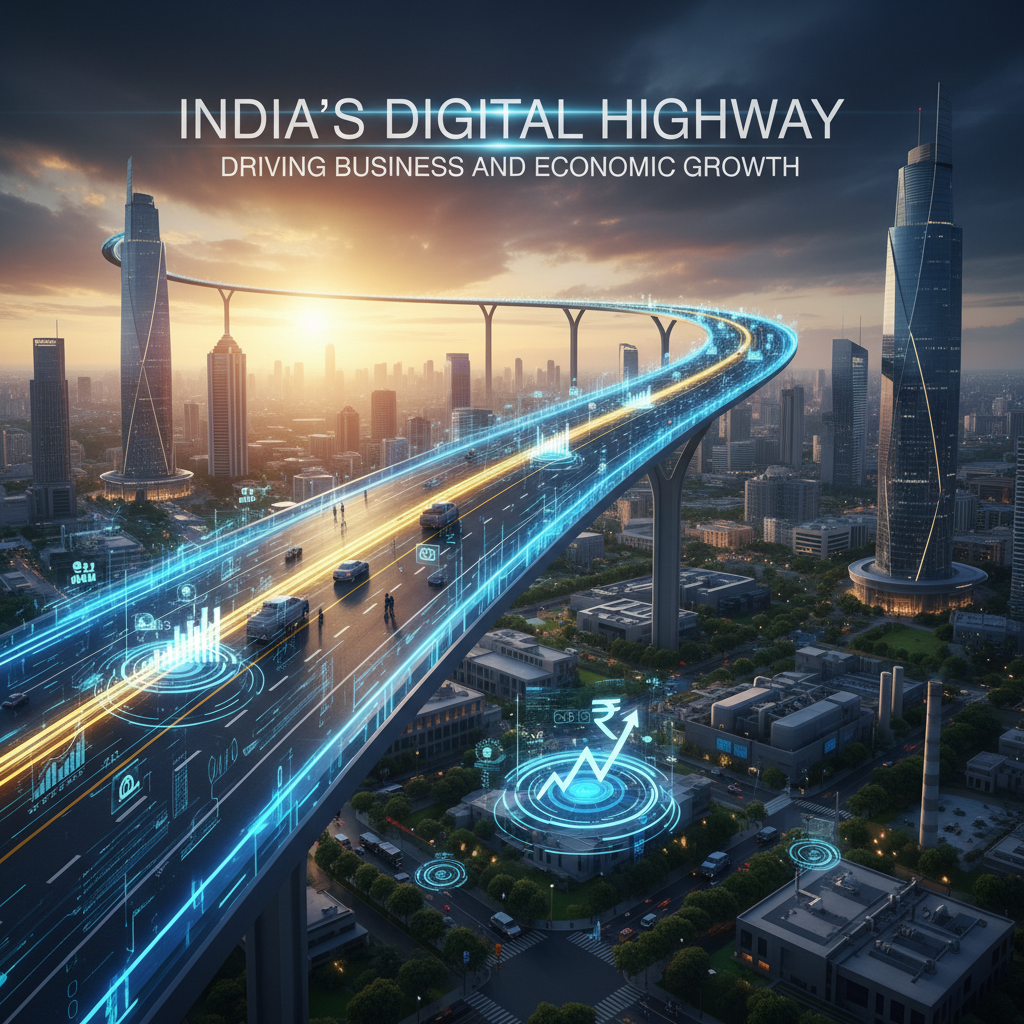
India’s Digital Highway: Driving Business and Economic Growth
In a landscape rapidly reshaped by technological advancements, India’s digital infrastructure is emerging as a pivotal driver of economic growth and business expansion. This transformation, akin to the infrastructure boom of the industrial revolution, is being spearheaded by the expansion of digital connectivity, as highlighted by Jyotiraditya Scindia.
The Digital Revolution: A Foundation for Growth
The essence of this transformation lies in the remarkable growth of broadband subscribers. From a modest 60 million, the subscriber base has surged to over one billion, indicating a massive shift in how India connects and conducts business. This expansion is not merely a numbers game; it represents a fundamental change in the accessibility of information and services across the nation. The impact of this digital surge is profound and multifaceted, touching nearly every aspect of the Indian economy.
Lower Data Costs: Democratizing Access
Accompanying the surge in broadband subscribers has been a dramatic fall in data costs. This reduction has been instrumental in democratizing access to the digital world. Affordable data plans have empowered a broader segment of the population, including those in rural and underserved areas, to participate in the digital economy. This widespread access is crucial, as it allows for the proliferation of digital services, e-commerce, and online education, thereby fostering inclusive growth.
Key Drivers of the Digital Transformation
- Digital Connectivity: The backbone of this transformation is the expansion and improvement of digital connectivity across the country.
- Broadband Expansion: The growth in broadband subscribers is a direct measure of the increased reach and adoption of digital services.
- Data Costs: The reduction in data costs has been a catalyst, making digital access affordable for a wider population.
Fueling Commerce and Economic Growth
The digital highway is not just about connectivity; it is about fueling commerce and economic growth. With enhanced digital infrastructure, businesses can reach wider markets, streamline operations, and innovate at an unprecedented pace. E-commerce platforms, digital payment systems, and online services are experiencing exponential growth, contributing significantly to India’s GDP. The rise of digital commerce is creating new opportunities for entrepreneurs and small businesses, fostering a vibrant and dynamic economic ecosystem.
Policy and the Digital Ecosystem
The government’s policy initiatives, such as the Digital India program, have played a crucial role in fostering this digital transformation. These initiatives provide the necessary framework for infrastructure development, promote digital literacy, and encourage private sector participation. The strategic focus on digital infrastructure underscores the government’s commitment to leveraging technology for economic development and social empowerment. As Jyotiraditya Scindia pointed out, this is a pivotal moment for India, with the digital highway paving the way for a more prosperous future.
The digital revolution in India reflects a strategic shift towards a technology-driven economy. By investing in digital infrastructure, the nation is laying the foundation for sustained economic growth, improved business opportunities, and enhanced citizen services. This transformation is not just about technology; it is about empowering people and building a more connected and prosperous India.
About the Author