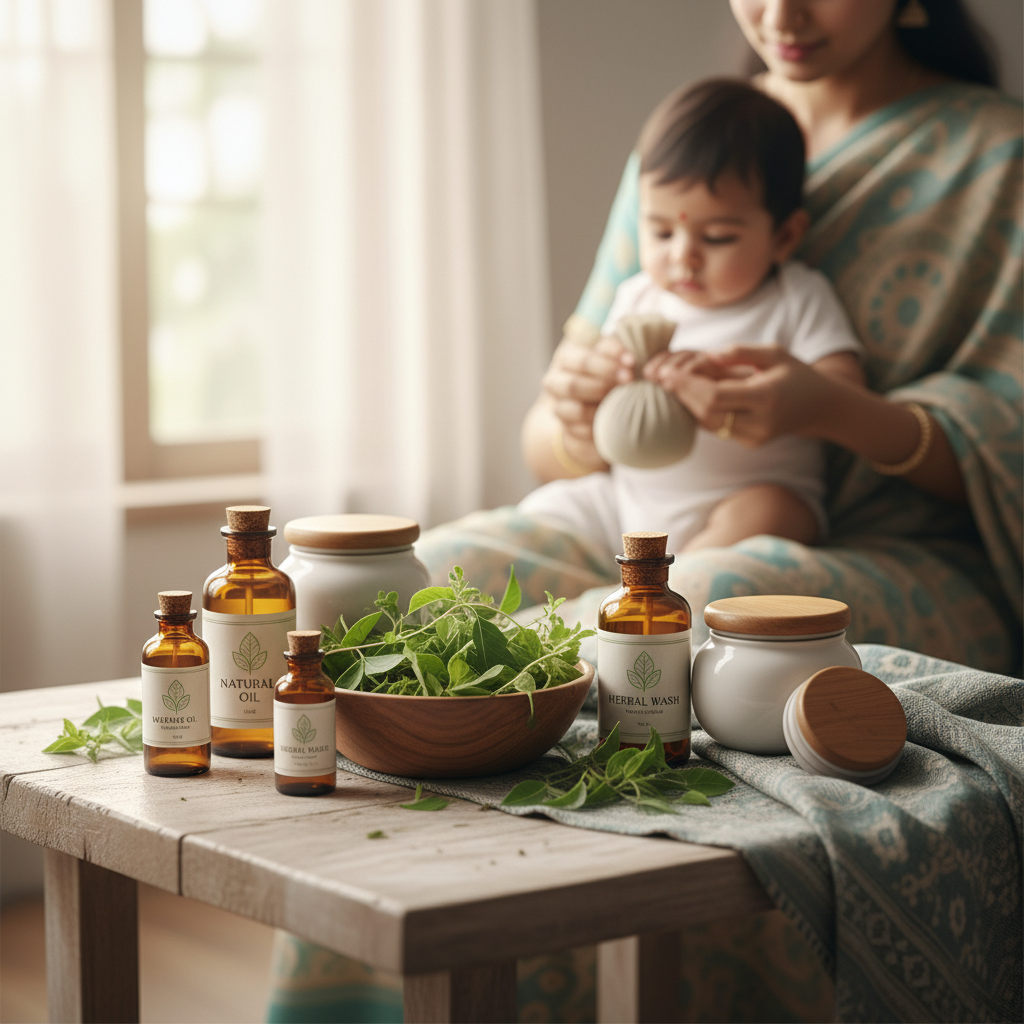
Ingredient Trust Fuels Growth for India’s Herbal Baby Care Brands
The Indian baby care market is experiencing a significant boom. Projections estimate that this sector will reach a staggering $9.5 billion by 2031, indicating substantial growth and opportunity. However, amidst this expansion, a critical element often overlooked is the trust placed in brands by parents. This article delves into how one particular segment—herbal baby care brands—is turning ingredient trust into a cornerstone of their success, driving repeat buying and fostering long-term customer loyalty.
The Rising Demand for Herbal Products in Baby Care
The increasing awareness of the benefits associated with natural and herbal products has fueled a surge in demand within the baby care market. Parents in India, like those globally, are becoming more conscious of the ingredients used in products for their infants. They are actively seeking alternatives to products containing synthetic chemicals, driven by concerns about potential side effects and a desire for more gentle, skin-friendly options. This shift in consumer behavior has created a fertile ground for herbal baby care brands to thrive.
Building Trust Through Transparency
At the heart of a successful herbal baby care brand lies ingredient trust. This involves complete transparency regarding the sourcing, processing, and composition of the products. Brands that provide detailed information about their ingredients, including their origins and benefits, are more likely to gain the trust of parents. This transparency extends to certifications, testing, and any potential allergens, allowing parents to make informed decisions that align with their values and concerns. The ‘how’ of building this trust involves clear labeling, readily available information on the brand’s website, and open communication channels for addressing customer queries.
Key Strategies for Building Ingredient Trust:
- Detailed Ingredient Lists: Comprehensive disclosure of all ingredients, including their sources and functions.
- Certifications: Obtaining relevant certifications (e.g., organic, cruelty-free) to validate product claims.
- Third-Party Testing: Conducting independent testing to ensure product safety and quality.
- Educational Content: Providing information about the benefits of specific ingredients through blog posts, social media, and other channels.
- Customer Engagement: Responding promptly to customer inquiries and feedback to build a relationship of trust.
The Link Between Ingredient Trust and Repeat Buying
The ‘why’ behind the focus on ingredient trust is clear: it directly impacts repeat buying. When parents trust a brand’s ingredients, they are more likely to continue purchasing its products. This loyalty is crucial in the competitive baby care market, where consumers have numerous options. Repeat buying reduces marketing costs, increases customer lifetime value, and fosters a strong brand reputation. Brands that consistently deliver on their promise of safe, effective, and transparent products create a loyal customer base that drives sustainable growth.
Market Analysis and Consumer Behavior
Understanding consumer behavior is vital for success in the baby care sector. Brands that conduct thorough market analysis, including surveys, focus groups, and online reviews, can gain valuable insights into parental preferences and concerns. This allows them to tailor their products and marketing strategies to meet specific needs and address any anxieties about ingredients. The ‘where’ of this analysis is crucial; understanding regional variations in consumer preferences and cultural norms can significantly impact market penetration. Furthermore, brands must continuously adapt to evolving trends and consumer feedback to remain competitive.
Brand Strategy and Market Growth
A well-defined brand strategy is essential for capturing market share and driving growth. This includes a clear brand identity, a unique value proposition, and a consistent marketing message. Herbal baby care brands should highlight their commitment to natural ingredients, safety, and transparency in all their communications. They should also consider their distribution channels, ensuring their products are readily available to their target audience. The ‘when’ of market growth is ongoing; brands must continually innovate and adapt their strategies to stay ahead of the competition and meet the evolving needs of parents.
Conclusion
As the Indian baby care market continues to expand, the importance of ingredient trust cannot be overstated. Herbal baby care brands that prioritize transparency, quality, and customer engagement are best positioned to thrive. By understanding consumer behavior, implementing effective brand strategies, and continuously innovating, these brands can build lasting relationships with parents and achieve sustainable market growth. The future of the baby care market in India will undoubtedly be shaped by brands that successfully turn ingredient trust into a core competitive advantage.
About the Author