Zydus’s ZYOG1: A GLP-1 Pioneer That India Couldn’t Launch
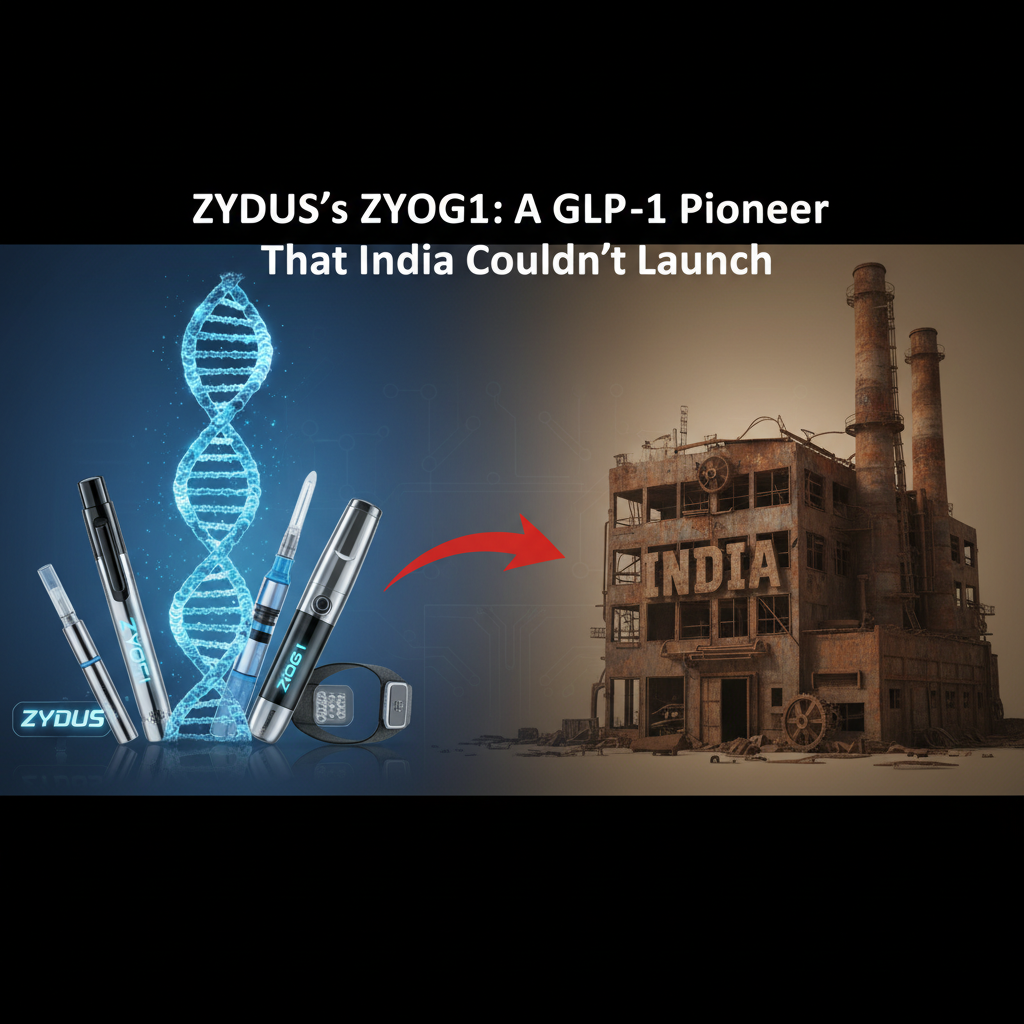
The pharmaceutical landscape is littered with tales of innovation, promise, and ultimately, unrealized potential. One such story involves Zydus Lifesciences, a major player in the Indian pharmaceutical industry, and its ambitious endeavor with ZYOG1, an oral GLP-1 agonist. While the drug held significant promise for diabetes management and weight loss, it ultimately faced hurdles that prevented its full development. This article delves into the journey of ZYOG1, exploring the factors that led to its shelving and the broader implications for drug development in India.
A Glimpse of the Future: ZYOG1 and Its Potential
Fifteen years ago, the concept of an oral GLP-1 agonist was revolutionary. GLP-1 agonists, known for their efficacy in managing blood sugar levels and promoting weight loss, were primarily administered via injection. ZYOG1, developed by Zydus Lifesciences, aimed to change that, offering a convenient oral alternative. The potential benefits for patients with diabetes and those struggling with obesity were substantial, sparking considerable excitement within the medical community. The development of ZYOG1 held the promise of transforming treatment paradigms for metabolic disorders, potentially reaching a wider patient population.
The Roadblocks: Clinical Trial Costs and Market Skepticism
Despite the initial promise, the development of ZYOG1 faced significant obstacles. Zydus Lifesciences made the difficult decision to shelve further development of the drug. The primary reasons behind this decision were the prohibitive costs associated with conducting clinical trials and a generally skeptical outlook on the obesity market at the time. Clinical trials, especially for new drugs, are notoriously expensive, requiring extensive research, regulatory approvals, and patient recruitment. The financial burden proved to be too great for Zydus Lifesciences, hindering the progress of ZYOG1. Furthermore, the market for obesity treatments was not as established or lucrative as it is today, making the investment appear less appealing.
The Broader Implications for Pharma Manufacturing and Medical Devices in India
The story of ZYOG1 offers valuable insights into the challenges and opportunities within the Indian pharmaceutical industry. The high cost of clinical trials remains a significant barrier for many Indian companies, particularly for those developing novel drugs. This can limit innovation and prevent promising therapies from reaching the market. The case of ZYOG1 also highlights the importance of market analysis and strategic decision-making. Evaluating the market potential and understanding the regulatory landscape are critical for successful drug development. The industry also needs to address the need for innovative financing models and collaborative partnerships to mitigate the financial risks associated with drug development. The incident underscores the complexities that Indian pharmaceutical companies face when trying to compete on a global scale.
Looking Ahead: Lessons Learned and Future Prospects
While ZYOG1 ultimately did not make it to market, its story offers valuable lessons for the pharmaceutical industry. It underscores the importance of strategic planning, cost management, and market analysis. As the pharmaceutical landscape evolves, the Indian industry has the potential to become a global leader in drug development and manufacturing. However, this will require addressing the challenges identified in the ZYOG1 case, including high clinical trial costs and navigating the complexities of the global market. Furthermore, advancements in medical devices and technology may play a crucial role in the future of drug development in India.
In conclusion, the story of ZYOG1 serves as a reminder of the complexities of drug development. While the drug showed great promise, the factors that led to its shelving highlight the importance of careful planning, financial strategies, and the ability to navigate the ever-changing pharmaceutical environment. The case provides a valuable case study for the industry and the path forward for medical innovation in India.
About the Author