Jharkhand Air Ambulance Crash: DGCA Launches Probe into Fatal Accident
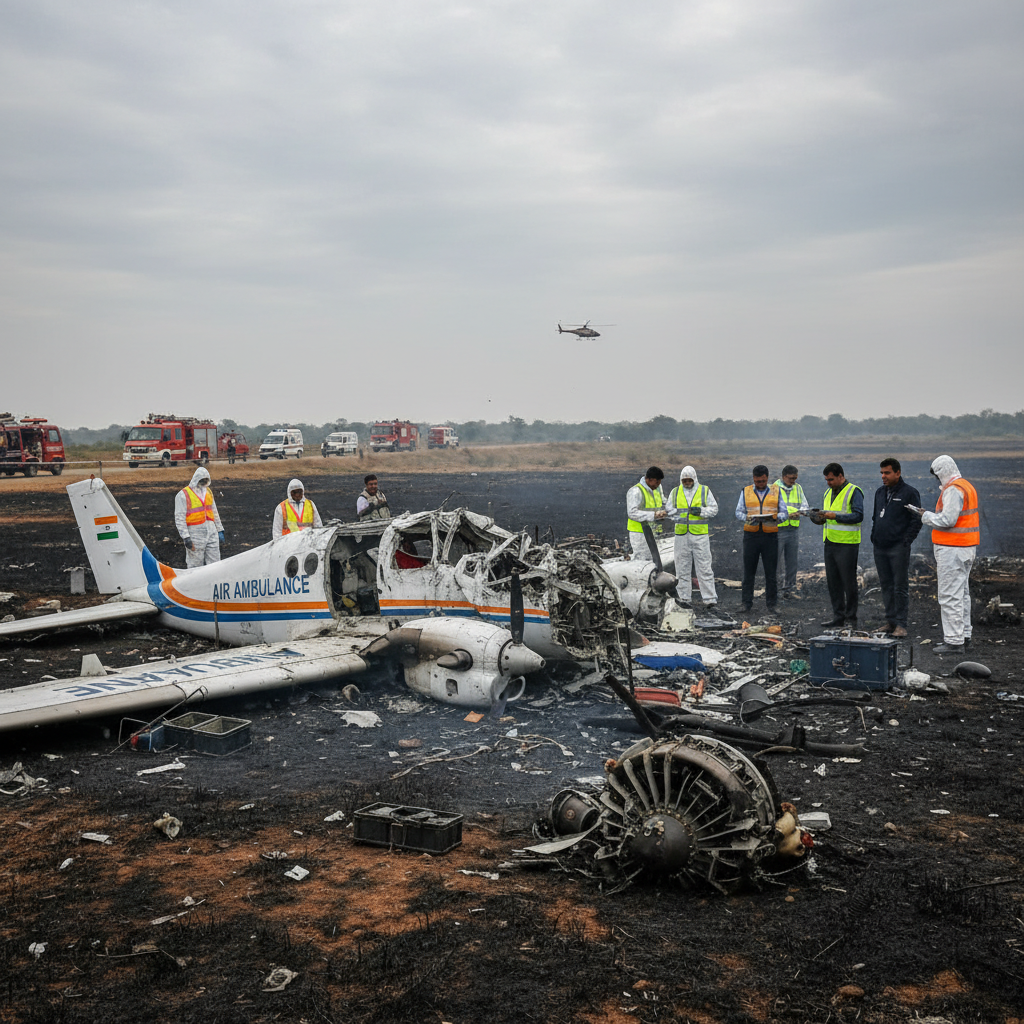
The aviation sector has been shaken by a tragic incident in Jharkhand, where a Redbird Airways air ambulance crashed, resulting in the loss of seven lives. The Directorate General of Civil Aviation (DGCA) has swiftly responded by deploying investigation teams to determine the cause of the accident. This event underscores the inherent risks associated with air travel, particularly in challenging conditions, and highlights the critical importance of rigorous safety protocols and thorough investigations.
The Incident and Initial Findings
The ill-fated aircraft, a Beechcraft C90 air ambulance, lost contact shortly after taking off from Ranchi. According to reports, the crash occurred in the Chatra district of Jharkhand. The DGCA teams are now focused on examining all aspects of the flight, including the aircraft’s maintenance records, pilot training, and weather conditions at the time of the incident. Initial reports suggest that inclement weather could have played a role in the crash. The investigation aims to uncover the precise sequence of events that led to the accident and to prevent similar tragedies in the future.
DGCA’s Role and the Investigation Process
The DGCA, as the primary aviation regulatory body in India, is responsible for ensuring the safety of air travel. In the wake of the crash, the DGCA teams have begun their probe, a process that involves detailed examination of the wreckage, flight recorders (if available), and interviews with relevant personnel. This investigation is crucial for identifying any systemic failures or specific factors that contributed to the accident. The findings of the DGCA’s investigation will be critical in shaping future safety regulations and practices within the aviation sector.
Impact and Implications for the Aerospace Components Sector
The air ambulance crash in Jharkhand has broader implications for the aerospace components sector. It underscores the need for continuous improvement in aircraft design, maintenance, and operational procedures. The accident also highlights the importance of investing in advanced weather forecasting systems and pilot training programs to mitigate risks associated with adverse weather conditions. Manufacturers and service providers in the aerospace sector must prioritize safety and reliability in their products and services to prevent such incidents.
The Human Cost and Response
Beyond the technical aspects of the investigation, the human cost of the crash is significant. The accident claimed the lives of two pilots, a patient, and other personnel. The DGCA’s investigation is not only about finding the cause but also about providing answers and closure to the families and loved ones affected by this tragedy. The authorities have already begun the process of handing over the bodies to the families, a somber reminder of the loss and grief associated with the accident. The entire aviation community extends its deepest condolences to those affected.
Conclusion
The air ambulance crash in Jharkhand is a stark reminder of the challenges and risks inherent in aviation. As the DGCA teams continue their probe, the industry must learn from this tragedy and take steps to enhance safety measures and prevent future accidents. The findings of the investigation will be crucial in shaping the future of air travel safety, ensuring that such incidents are minimized. The focus now is on thorough investigation, support for the affected families, and a commitment to preventing future tragedies. (Source: Industry-Economic Times)
About the Author