How AI-led Compliance Can Power India’s Export Boom
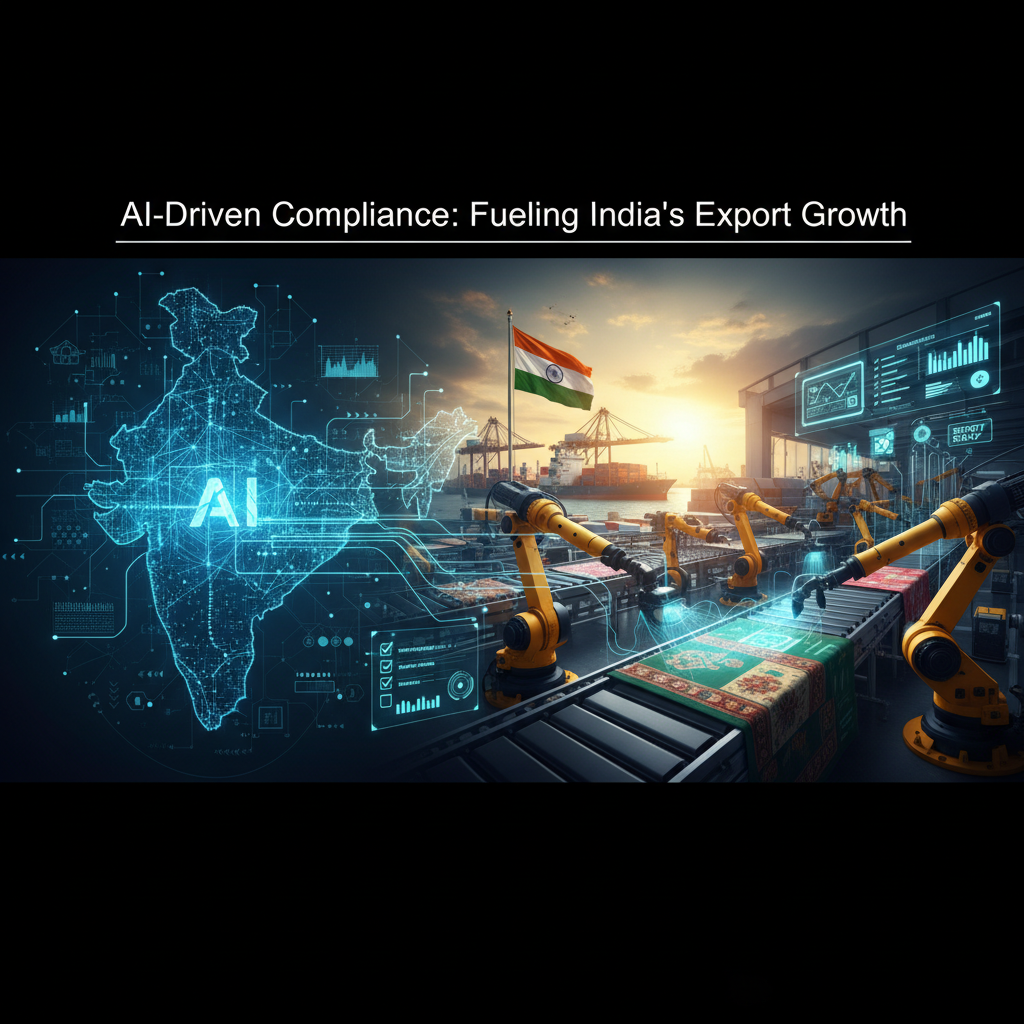
India’s export sector is on the cusp of a significant transformation. With expanding Free Trade Agreements (FTAs) offering reduced tariffs and enhanced market access, industries such as manufacturing, textiles, and services are well-positioned for a boom. However, with greater opportunities come greater responsibilities, particularly in the realm of compliance. This is where AI-led solutions are proving to be a game-changer.
The Promise of Expanding FTAs
The strategic expansion of FTAs is a key catalyst for India’s export growth. These agreements provide preferential access to global markets, enabling Indian exporters to compete more effectively. The benefits are multifold: lower tariffs reduce the cost of goods, increased market access opens doors to new customers, and streamlined trade processes enhance efficiency. This is particularly relevant for sectors like textiles, which stand to gain significantly from reduced trade barriers.
The Compliance Challenge
While FTAs offer considerable advantages, they also demand rigorous adherence to compliance regulations. Exporters must navigate a complex web of rules, regulations, and documentation requirements to ensure smooth and efficient trade. This includes understanding the specific terms of each FTA, complying with customs regulations, and managing the intricacies of the Export-Import (EXIM) lifecycle. Failure to comply can lead to delays, penalties, and even the rejection of shipments, undermining the benefits of FTAs.
AI: The Compliance Solution
AI-powered platforms offer a powerful solution to these compliance challenges. These platforms leverage advanced technologies like machine learning and natural language processing to automate and streamline compliance processes. For Indian exporters, this means faster processing times, reduced errors, and improved accuracy. One such platform is EY Global Trade Automation, which offers a comprehensive solution for managing the entire EXIM lifecycle.
Key Benefits of AI-led Compliance:
- Automation: Automates repetitive tasks, freeing up human resources for more strategic activities.
- Accuracy: Reduces errors and ensures compliance with complex regulations.
- Efficiency: Streamlines processes, reducing processing times and costs.
- Risk Management: Identifies and mitigates potential compliance risks.
The Role of EY
EY, a leading global professional services firm, is at the forefront of providing AI-powered solutions to help Indian exporters navigate the complexities of international trade. Their platform, EY Global Trade Automation, offers a comprehensive suite of tools and services designed to streamline the EXIM lifecycle. This includes features for tariff classification, customs compliance, and trade data management. By leveraging EY’s expertise and technology, Indian exporters can confidently navigate the challenges of global trade.
Focus on Textiles
The textiles sector is particularly well-suited to benefit from AI-led compliance. This sector is characterized by complex supply chains, diverse product lines, and a constantly evolving regulatory landscape. AI-powered platforms can help textile exporters manage these complexities by automating tasks such as origin verification, duty calculation, and compliance documentation. This enables textile manufacturers to optimize their operations, reduce costs, and capitalize on the opportunities presented by expanding FTAs.
Conclusion: A Path to Export Success
As India’s export sector continues to grow, AI-led compliance will become increasingly crucial. By embracing AI-powered platforms, Indian exporters can streamline their operations, reduce risks, and unlock the full potential of expanding FTAs. This will not only boost export volumes but also contribute to the overall growth and competitiveness of the Indian economy. With solutions like EY Global Trade Automation, Indian exporters are well-equipped to navigate the complexities of global trade and achieve sustained export success.
About the Author