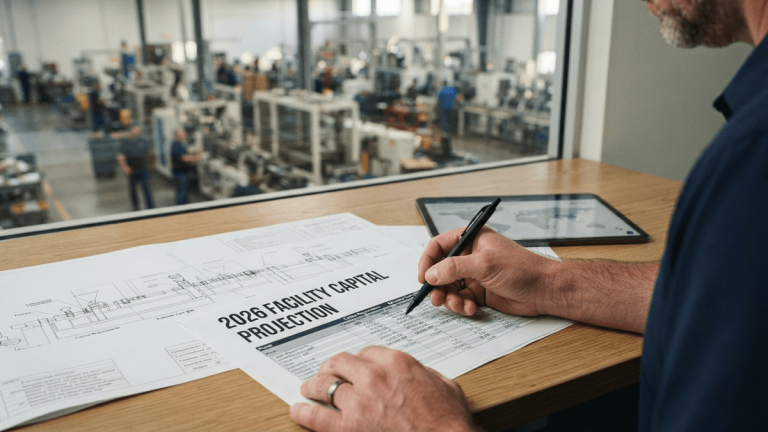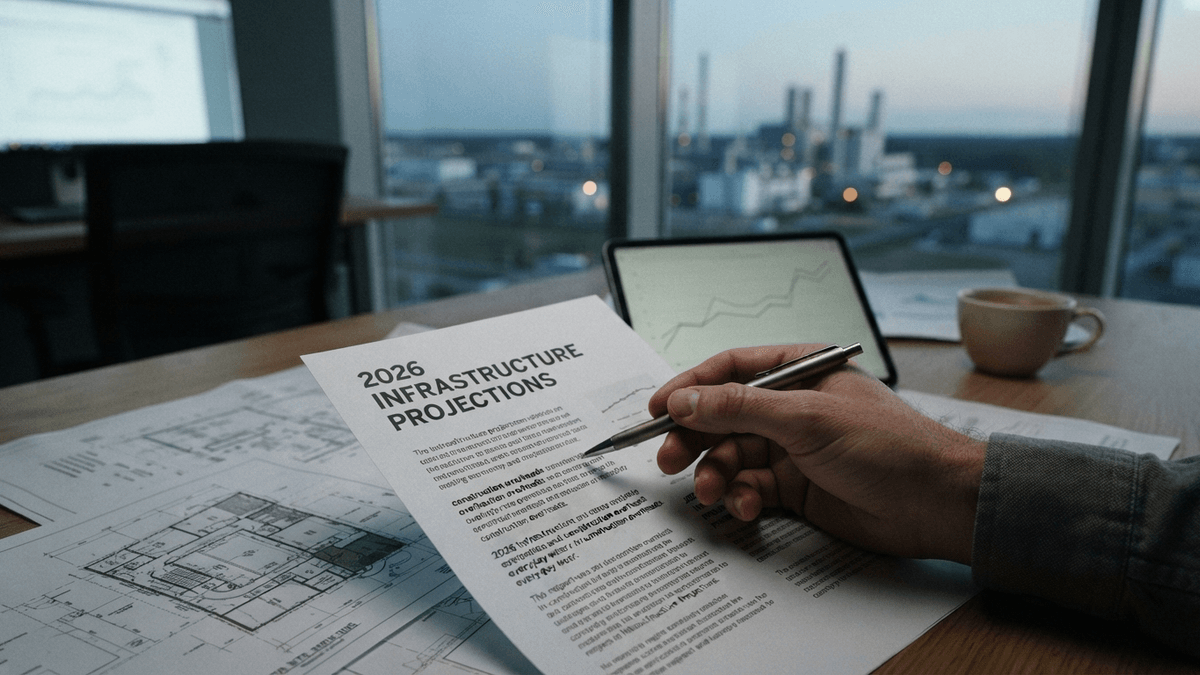
An investor reviews infrastructure projections amid high domestic production costs.
The United States is experiencing a historic surge in artificial intelligence investment, with capital expenditure by major hyperscalers projected to reach $1 trillion by the end of 2026, up from $15 billion in 2005. Despite this massive influx of capital, the anticipated industrial revolution remains elusive, as productive investment in factories, infrastructure, and equipment remains stagnant as a share of U.S. GDP.
For institutional investors and private equity firms, the disconnect between tech-sector spending and physical industrial output highlights a significant hurdle in the U.S. market: the high cost of domestic production. Elevated construction and labor expenses continue to dampen the ROI for industrial-scale projects compared to more competitive Asian markets.
Strategic analysts suggest that the path toward an industrial renaissance requires a pivot in capital allocation and operational strategy. Companies are increasingly pressured to adopt modular construction methods and AI-driven operating models to mitigate high overheads. Furthermore, the focus for policymakers is expected to shift toward strategic triage, prioritizing capital support for sectors deemed essential to national security and supply chain resilience rather than broad-based subsidies.
For the investment community, this trend underscores the necessity of distinguishing between speculative software-driven AI growth and the tangible infrastructure requirements needed to secure long-term industrial competitiveness.
About the Author