U.S. industrial manufacturing facility production line
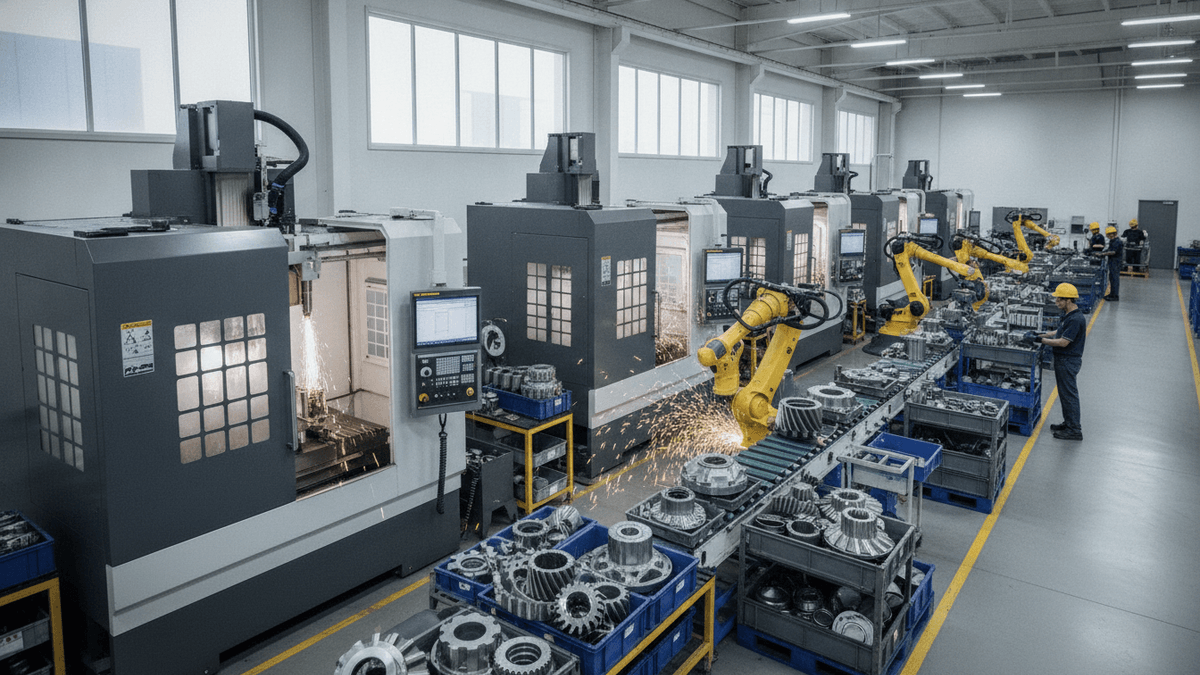
Heightened trade friction between the United States and Brazil is prompting a significant shift in manufacturing and supply contracts, with a notable trend towards reshoring. This geopolitical dynamic is placing renewed attention on U.S. industrial stocks that primarily serve the domestic market, as tariffs reshape the competitive landscape.
Companies like Proto Labs (PRLB), a digital manufacturer specializing in rapid production of custom parts, are well-positioned to capitalize on this trend. Increased tariffs on imported components make Proto Labs’ quick, local manufacturing capabilities more attractive to U.S. customers seeking to replace disrupted overseas suppliers. The company’s use of AI for pricing and its flexible, U.S.-based production capacity are key advantages in this evolving environment.
SunCoke Energy (SXC), a producer of coke, could also see benefits. As U.S. steel and industrial sectors face higher tariffs on Brazilian products, there may be an increased reliance on domestically sourced coke. SunCoke Energy’s contract-based business model is designed to provide earnings stability, though the company must manage its customer concentration risks.
Furthermore, DNOW (DNOW), a distributor of industrial supplies, is identified as a potential gainer. With a substantial portion of its steel products sourced domestically, DNOW is strategically positioned to benefit from reshoring initiatives, the impact of tariffs, and increased investment in U.S. energy and utility infrastructure projects. Despite appearing undervalued, the company navigates ongoing losses and a competitive market.
These developments underscore a broader theme of strategic supply chain adjustments in response to international trade policies, presenting potential investment opportunities within the U.S. industrial sector.
About the Author