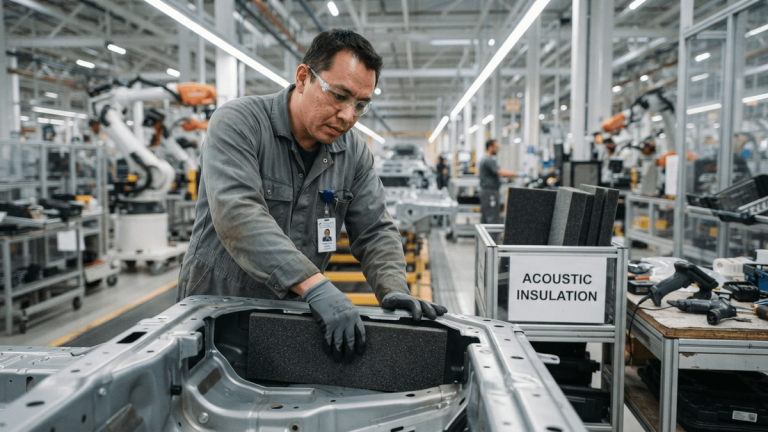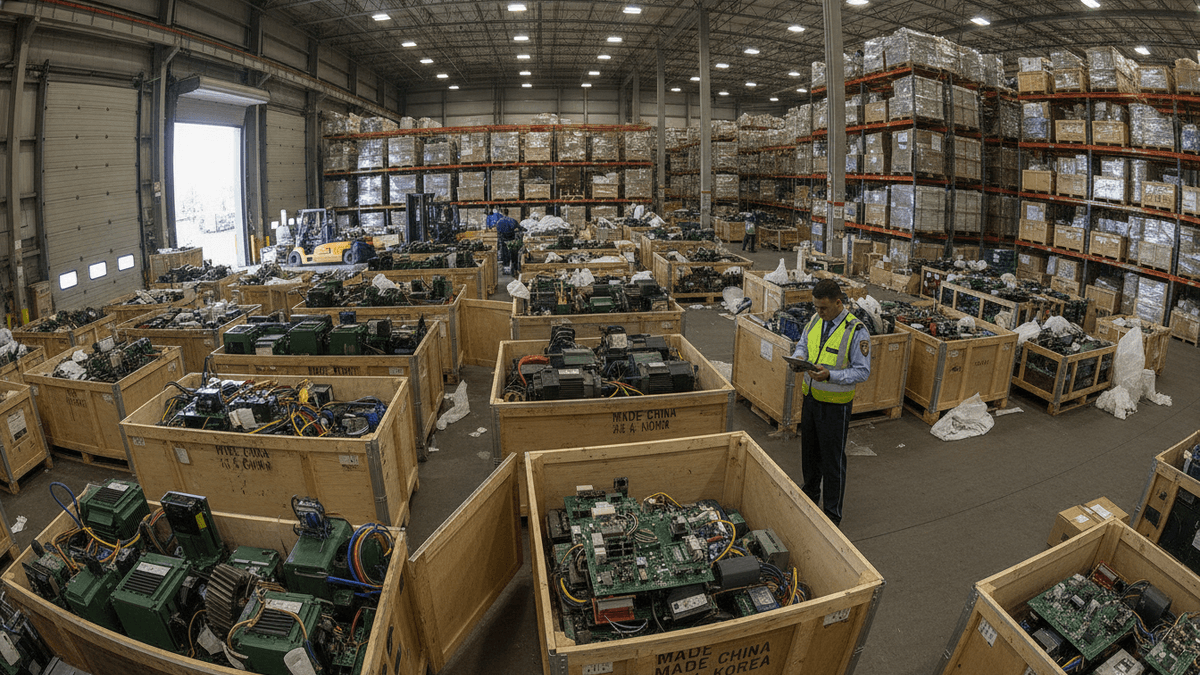
Industrial warehouse with imported machinery components and electronic parts
Chinese imports across crucial manufacturing sectors, including textiles, toys, plastics, and engineering goods, have seen a significant increase of 38% over the two-year period from 2023-24 to 2025-26. Engineering goods, in particular, were the primary driver of this growth, accounting for 92% of the overall rise with a 41% surge. The total value of imports across these four categories climbed by US$23.90 billion, reaching US$87.34 billion in 2025-26, up from US$63.44 billion in 2023-24.
The engineering goods category, encompassing industrial machinery, mechanical and electrical equipment, electronics, and components, is vital for various industries. While these imports can bolster domestic production by supplying necessary machinery and intermediate inputs, a significant influx of finished goods poses a direct competitive challenge to Indian manufacturers. The government acknowledges that these imports include essential raw materials, intermediate goods, capital equipment, and advanced technologies critical for sectors such as clean energy, electric vehicles, semiconductors, pharmaceuticals, and infrastructure development.
The reliance on a single source for such a substantial portion of imports introduces considerable supply-chain vulnerabilities. Potential disruptions, trade restrictions, and geopolitical tensions stemming from a concentrated import base can pose significant risks to domestic production and economic stability. The challenge for policymakers is to carefully distinguish between imports that genuinely support and enhance domestic manufacturing capabilities and those that could potentially weaken local industries or compromise supply-chain resilience.
Current government measures to mitigate these risks include enhanced customs enforcement by the Central Board of Indirect Taxes & Customs (CBIC) to combat under-invoicing, mis-declaration, and fraudulent country-of-origin claims. The Directorate of Revenue Intelligence actively conducts investigations into import evasion. Furthermore, Quality Control Orders are in place to enforce mandatory product standards, and the Directorate General of Trade Remedies can recommend anti-dumping or countervailing duties when unfair pricing practices lead to material injury to domestic producers. However, no new product-specific duties or investigations have been announced in response to this recent import trend.
About the Author