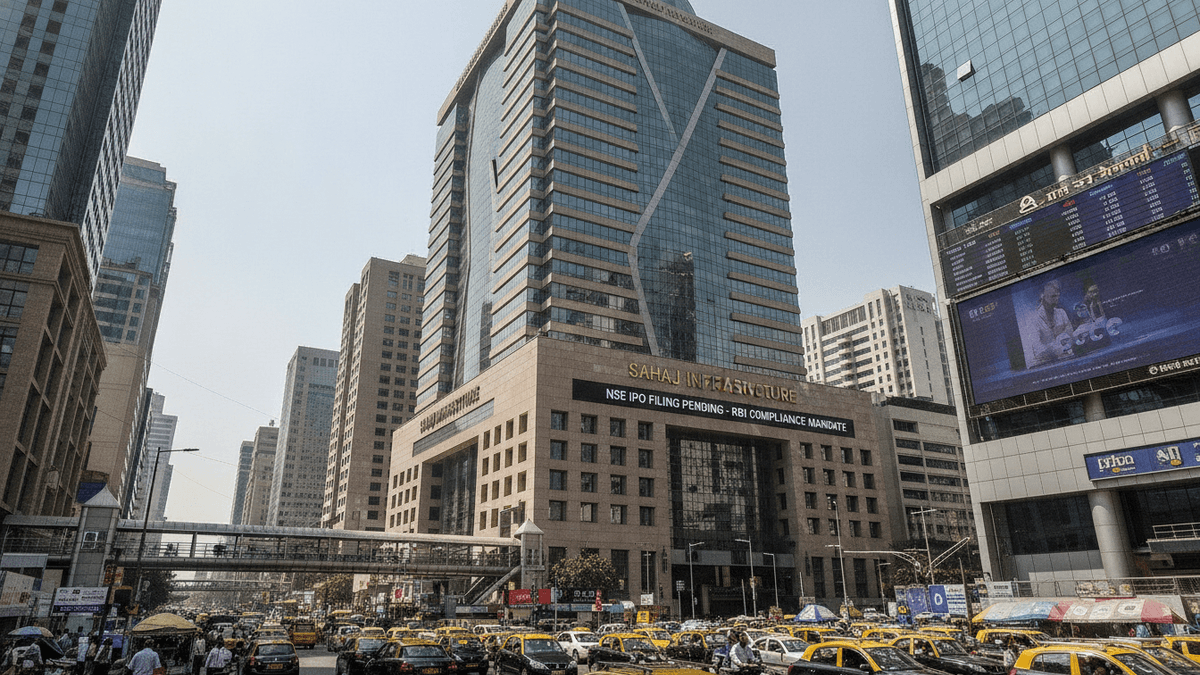
Sahaj Infrastructure corporate headquarters in Mumbai, India
Tata Sons finds itself at a crossroads, with its mandatory stock market listing looming after its classification as an upper-layer Non-Banking Financial Company (NBFC-UL) by the Reserve Bank of India (RBI). This designation, which came into effect in September 2022, imposes stricter regulatory requirements for at least five years, including the imperative to go public.
The Reserve Bank of India is currently reviewing Tata Sons’ application for deregistration as an NBFC. However, the NBFC-UL classification means that even if deregistered, the company will still be subject to stringent regulations for a significant period, potentially complicating any move to remain privately held.
This situation pits the interests of Tata Trusts, the principal shareholder which desires Tata Sons to remain a privately held entity, against the aspirations of the Shapoorji-Pallonji Group. The latter has been advocating for a stock market listing to unlock the inherent value within Tata Sons.
The NBFC-UL tag subjects Tata Sons to a more rigorous regulatory framework, including increased capital adequacy norms and enhanced corporate governance standards. The ongoing review by the RBI adds a layer of uncertainty to the company’s future structure and its potential path to public markets.
About the Author