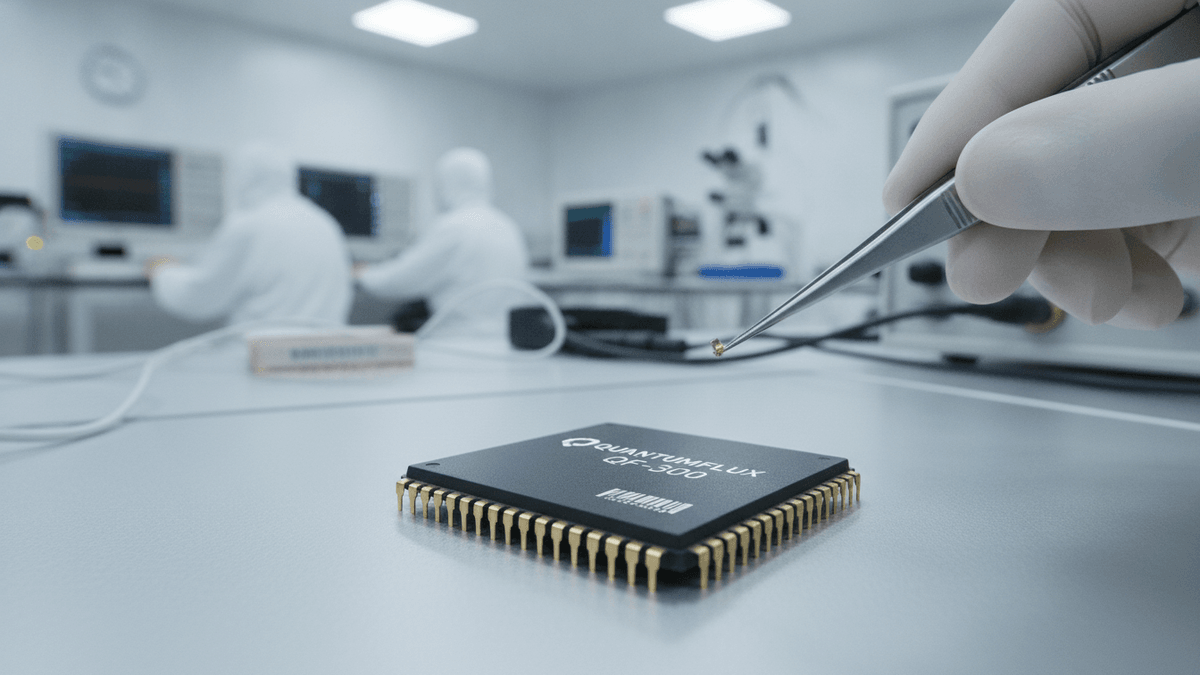
Semiconductor chip inspection in a cleanroom laboratory.
India’s semiconductor ambitions are entering a critical new phase with the rollout of the India Semiconductor Mission (ISM) 2.0. Unlike its predecessor, which focused on establishing foundational capabilities in semiconductor manufacturing and design, ISM 2.0, backed by a significant budget of ₹1,27,500 crore, faces the more formidable challenge of scaling these nascent capabilities beyond the prototype stage to achieve commercial viability and success stories.
The success of ISM 2.0 will be measured not just by the number of prototypes developed, but by the ability of Indian chip startups to attract further investment, secure market share, and become globally competitive. This transition requires a strategic focus on areas such as advanced design, intellectual property development, access to global markets, and fostering a robust ecosystem that supports commercialization. The substantial government allocation signals a strong commitment, but the ultimate impact will depend on effective execution and the ability to nurture a new generation of semiconductor companies that can compete on a global scale.
About the Author