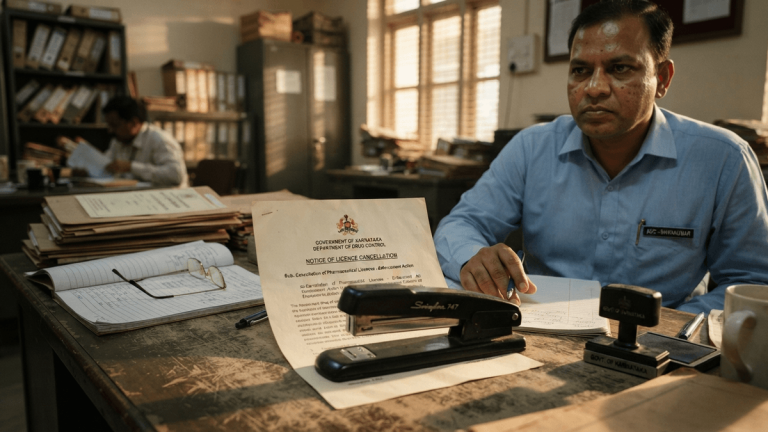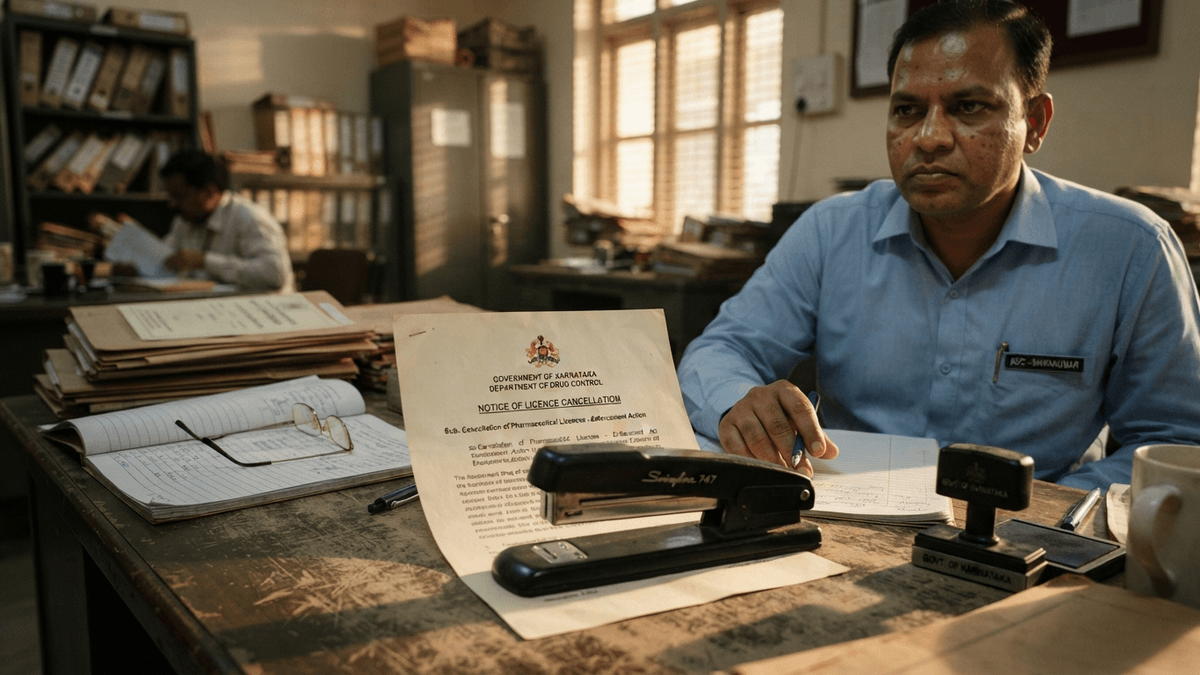
Karnataka drug control department revokes 16 pharmaceutical licenses.
The Karnataka drug control department has formally cancelled the licences of 16 pharmaceutical retailers and wholesalers, a move that highlights the intensifying regulatory scrutiny within India’s healthcare supply chain. The enforcement action follows a series of state-wide inspections aimed at curbing the proliferation of spurious and substandard medications.
For institutional investors and private equity firms active in the Indian healthcare and life sciences sectors, this development underscores the growing importance of supply chain integrity and compliance. As state authorities increase their oversight, companies operating within the pharmaceutical distribution network are facing heightened operational risks, necessitating more rigorous due diligence and internal monitoring protocols.
The crackdown reflects a broader trend of tightening regulatory environments in emerging markets, where public health safety is increasingly becoming a focal point for government policy. While the immediate impact is concentrated on smaller retail and wholesale entities, the long-term implications suggest a shift toward more robust regulatory compliance, which could influence future deal valuations and the strategic positioning of pharmaceutical logistics providers in the region.
Market analysts expect that continued vigilance from the Karnataka drug control department will force a consolidation in the distribution landscape, as firms with substandard practices are weeded out. Investors should monitor how these regulatory shifts impact the operational costs and market share of larger, compliant pharmaceutical supply chain participants.
About the Author