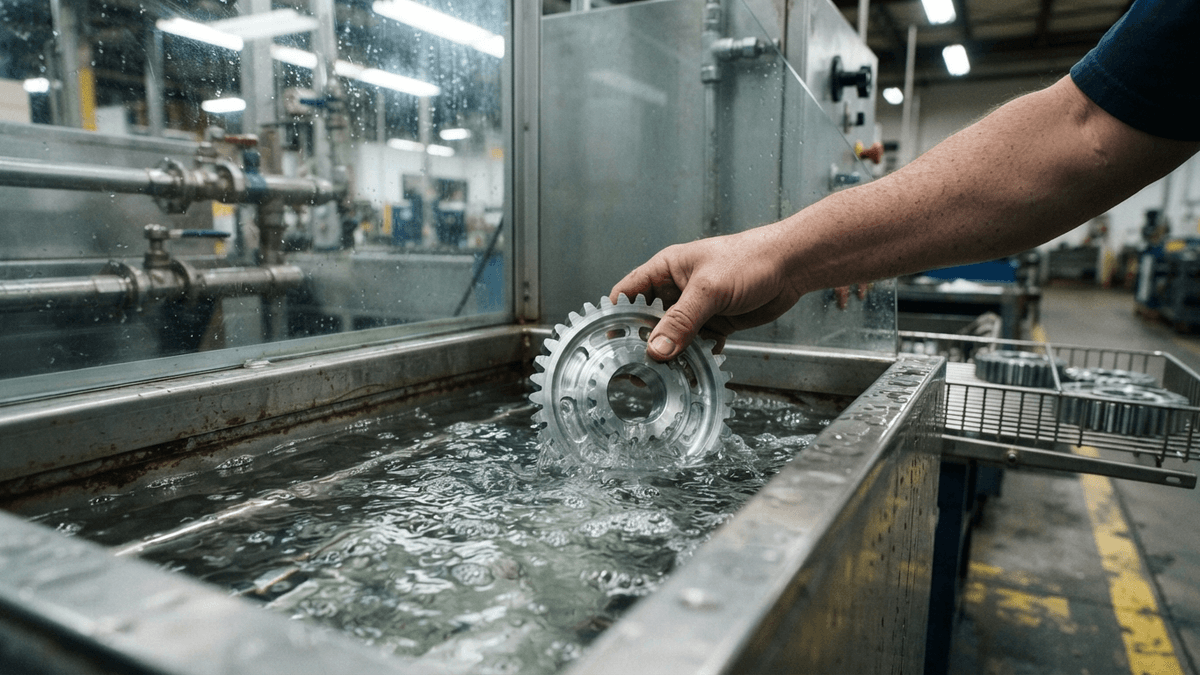
A metal component is submerged in an aqueous cleaning solution.
The global market for metal cleaning detergent blends is set for a period of sustained growth through 2035, as industrial manufacturers accelerate the transition from traditional solvent-based cleaners to environmentally compliant aqueous alternatives. According to recent market analysis, this shift is primarily dictated by tightening global regulations surrounding volatile organic compounds (VOCs) and an increasing corporate mandate for sustainable manufacturing practices.
The automotive, aerospace, and high-precision manufacturing sectors are emerging as the primary drivers of this transition. These industries require rigorous surface preparation to ensure the structural integrity and quality of metal components. Historically, solvent-based cleaners were favored for their efficacy; however, advancements in detergent chemistry have allowed water-based formulations to achieve comparable, if not superior, cleaning performance while significantly reducing toxicity and disposal costs.
From an investment and capital allocation perspective, this transition presents a distinct opportunity for private equity firms focusing on specialty chemicals and industrial technology. As the sector moves toward greener manufacturing, portfolio companies that provide specialized aqueous solutions or the necessary drying and filtration infrastructure are likely to see increased demand. While the adoption of these technologies requires upfront capital expenditure for specialized equipment, the long-term operational savings and improved regulatory compliance provide a compelling value proposition for industrial operators.
Strategic analysts note that the market’s trajectory will likely be defined by the ability of chemical manufacturers to innovate in formulation efficiency. Companies that successfully bridge the gap between performance and environmental safety are expected to capture significant market share as industrial players phase out legacy solvent-based processes over the next decade.
About the Author