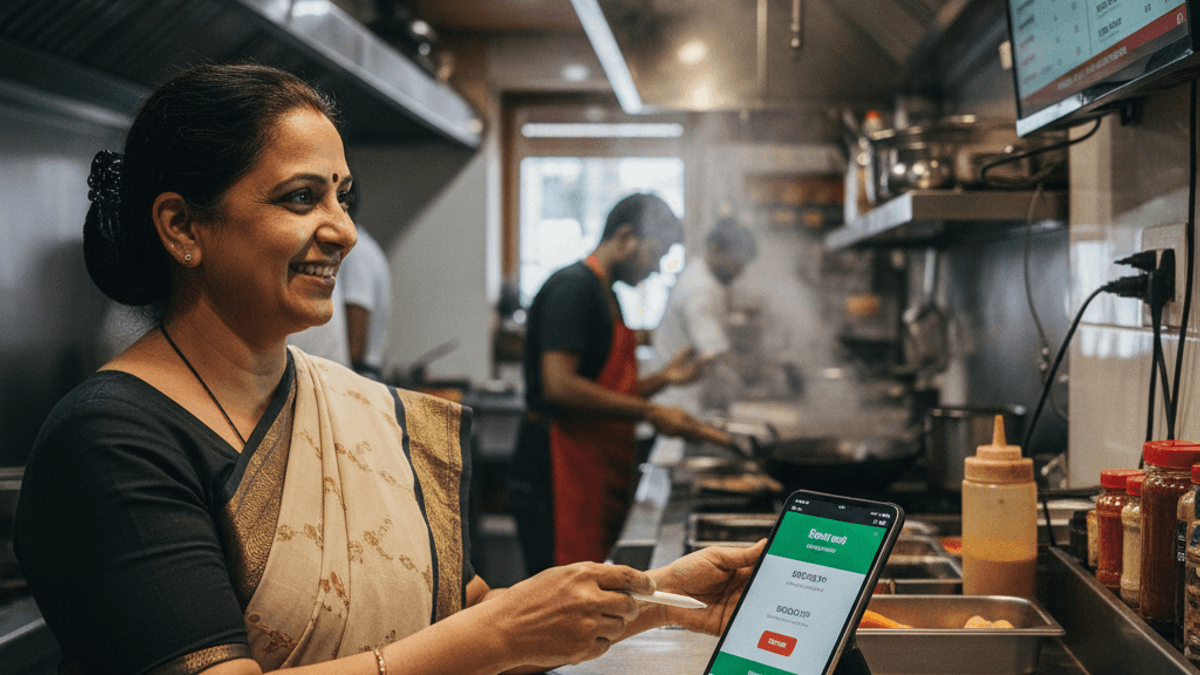
Restaurant owner adjusting digital menu, reflecting new pricing freedom.
Zomato, India’s prominent food delivery platform, has removed a contentious price parity clause from its contracts with restaurant partners. This move allows restaurants to offer different pricing on Zomato compared to their own outlets and websites, a significant shift from previous terms that mandated price matching.
The withdrawn clause previously subjected restaurant partners to penalties, potentially three times the price difference, for violating the price parity rule. Enforcement mechanisms reportedly included customer complaints and ‘mystery shopping’ by Zomato. Sources indicate the clause, while present in contracts, was largely unenforced.
The National Restaurant Association of India (NRAI) had previously opposed the clause, arguing it restricted restaurant autonomy in pricing strategies. This development follows Zomato’s earlier considerations of altering its commission models and a temporary hold on a policy to split refund costs with restaurant partners.
In recent consumer-facing changes, Zomato increased its platform fees by approximately 20% to ₹14.9 per order (pre-GST) in March, following a prior hike to ₹12.5. These adjustments occur amidst broader market pressures, including rising LPG costs impacting restaurant operations and potentially affecting food delivery volumes.
The company’s financial performance in the December quarter showed a consolidated operating profit of ₹547 Cr, a 27% year-on-year increase, with segment revenue growing 29% YoY to ₹2,676 Cr. Eternal’s net profit surged 73% to ₹102 Cr, driven significantly by Blinkit’s operational changes.
About the Author