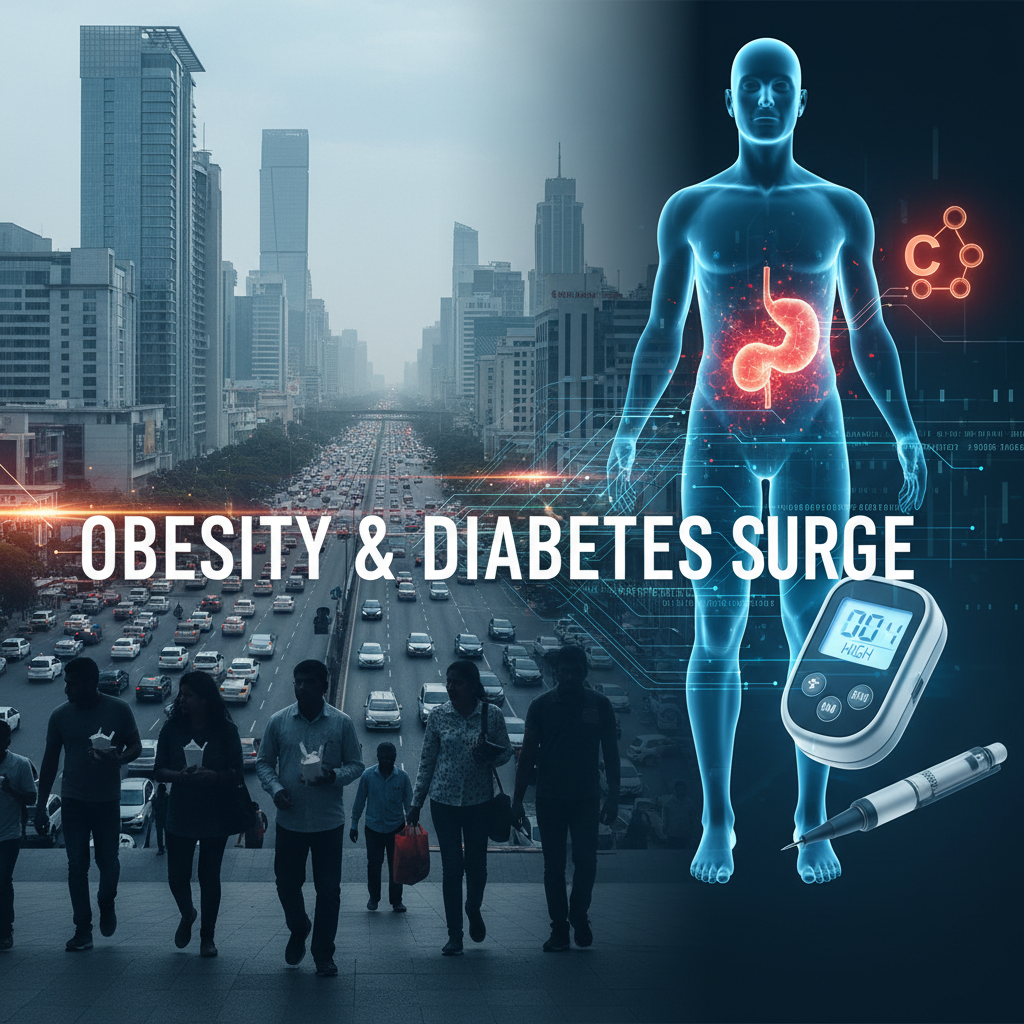
Urban India Faces a Growing Metabolic Health Crisis
Urban India is grappling with a significant and growing health challenge: a metabolic health crisis driven by rising rates of obesity and diabetes. This situation is particularly concerning, as it impacts a large and expanding population within the country’s bustling urban centers. The prevalence of these conditions not only affects individual well-being but also places a strain on the healthcare system and the overall economic productivity of the nation.
The Alarming Rise of Obesity and Diabetes
According to recent analysis, a staggering 73 million individuals in urban India are either overweight or obese. This alarming statistic underscores the severity of the problem and its potential long-term consequences. Obesity is a well-established risk factor for type 2 diabetes, cardiovascular diseases, and various other health complications. The surge in these conditions is a clear indication of lifestyle changes, dietary habits, and environmental factors prevalent in urban settings.
The Role of GLP-1 Medications
Amidst this health crisis, there is a growing recognition of the potential of innovative treatments, such as GLP-1 weight loss medications. These medications have shown promising results in managing both weight and blood sugar levels, offering a beacon of hope for those struggling with obesity and diabetes. However, a significant gap exists in awareness regarding these options. Many individuals who could potentially benefit from these treatments are unaware of their availability or efficacy.
Awareness and Education: A Critical Need
The lack of awareness surrounding GLP-1 medications highlights the urgent need for comprehensive health education initiatives. Healthcare professionals, public health organizations, and media outlets all have a crucial role to play in disseminating accurate information about these treatments. By increasing awareness, individuals can make informed decisions about their health and explore potential solutions to manage their conditions effectively. Furthermore, education about healthy lifestyle choices, including diet and exercise, is essential in preventing and managing obesity and diabetes.
The Positive Outlook: Eagerness to Explore Solutions
Despite the challenges, there is a silver lining. Informed individuals who are aware of GLP-1 medications express considerable eagerness to explore these options. This positive sentiment indicates a willingness to embrace innovative approaches to health management. It also underscores the importance of patient-centered care, where individuals are actively involved in making decisions about their treatment plans.
Conclusion
The metabolic health crisis in urban India demands immediate attention and a multi-faceted approach. Addressing this issue requires a combination of public health initiatives, healthcare advancements, and individual responsibility. By increasing awareness, promoting healthy lifestyles, and making effective treatments accessible, India can mitigate the impact of obesity and diabetes and improve the overall health and well-being of its urban population.
Source: Industry-Economic Times
About the Author