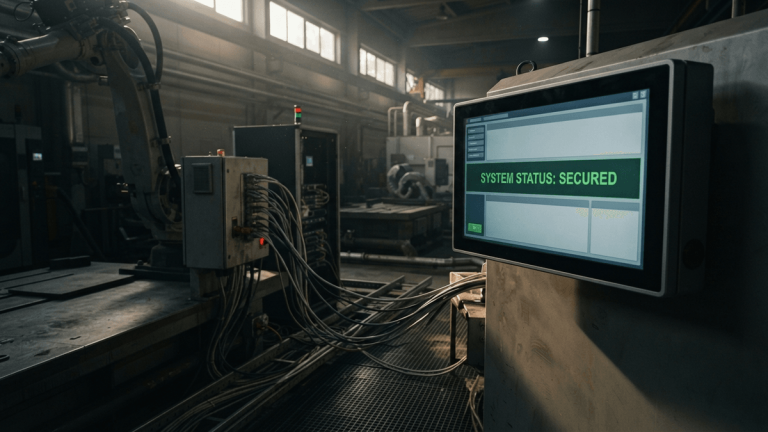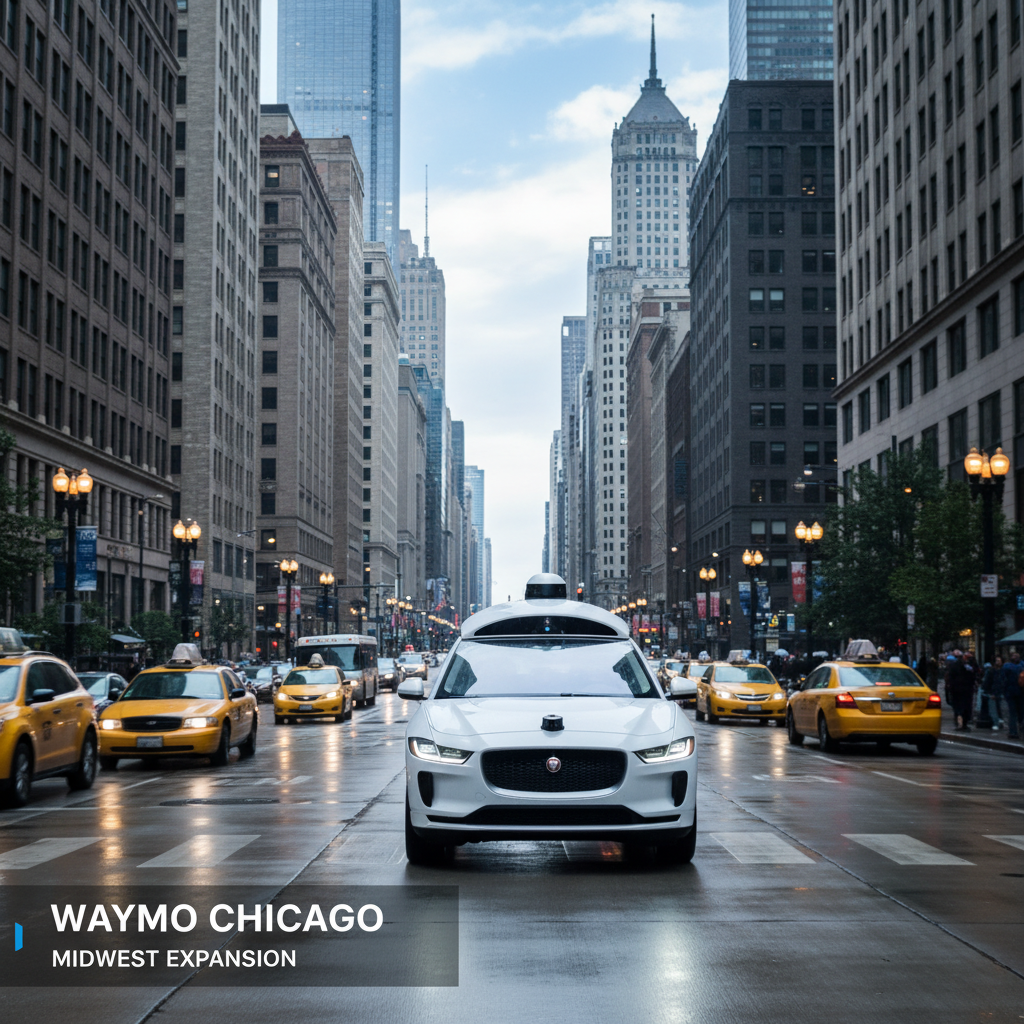
The hum of servers filled the air as Waymo engineers reviewed thermal tests, their faces illuminated by the glow of multiple monitors. It was late afternoon, and the Chicago expansion was the main topic of conversation. Waymo, the autonomous vehicle division of Alphabet, is laying the groundwork for driverless ride-hailing in the Windy City, a move that signals a significant push into the Midwest.
The initial phase, as of late 2024, involves extensive mapping and manual testing. This allows Waymo to gather crucial data about Chicago’s complex road network and weather conditions. According to a spokesperson, the company is “methodically building a foundation” for its autonomous fleet. The goal, as stated in internal documents, is to launch a commercial ride-hailing service within the next two years.
“Chicago presents unique challenges,” notes Richard Wallace, Research Manager at the Center for Automotive Research. “The city’s harsh winters and dense urban environment demand sophisticated sensor technology and robust AI.” He added that Waymo’s success in cities like Phoenix and San Francisco has given them a playbook, though Chicago’s specific conditions will require adaptation. The company is likely leveraging its existing sensor suite, including lidar, radar, and cameras, while also fine-tuning its perception algorithms to handle snow, ice, and reduced visibility.
The strategic move into Chicago and the broader Midwest is driven by several factors. The region offers a large potential market, with considerable demand for ride-hailing services. Furthermore, expanding beyond existing markets diversifies Waymo’s operational footprint and mitigates regulatory risks. Analysts at Morgan Stanley project the autonomous vehicle market to reach $1.5 trillion by 2030, with ride-hailing services representing a significant portion of that figure. This expansion is about more than just market share; it’s about establishing a dominant position.
There are also whispers about broader Midwest expansion, although the specifics are still under wraps. Sources suggest Waymo is considering other major cities in the region, such as Detroit and Minneapolis, as potential launchpads. This would position Waymo as a key player in the autonomous vehicle space, competing with companies like Cruise and other emerging players. The next few years will be critical, as Waymo navigates regulatory hurdles, refines its technology, and scales its operations. Or maybe that’s how the supply shock reads from here.
The success of the Chicago launch, scheduled for a potential unveiling in 2026, will serve as a crucial test. The company is clearly betting big on its ability to navigate the complexities of a new market, and the future of autonomous vehicles in the Midwest may well depend on it.
About the Author