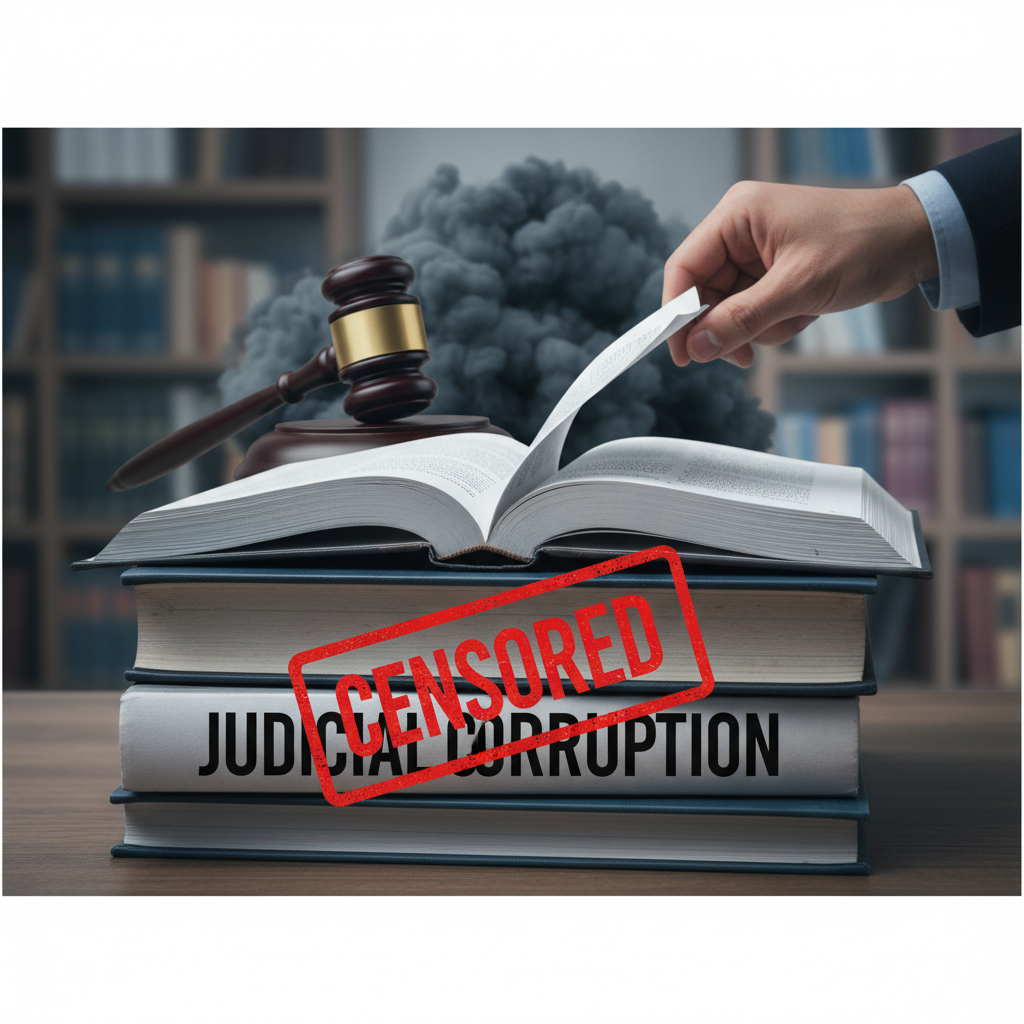
NCERT Textbook Pulled Amidst Controversy Over Judicial Corruption Chapter
In a move that has sparked significant debate, the National Council of Educational Research and Training (NCERT) has taken down a Class 8 textbook from its website. This action follows sharp criticism from the Supreme Court of India concerning a chapter that delves into the sensitive topic of judicial corruption. Sources indicate that the government’s stance on the inclusion of this content in the curriculum also contributed to the decision, highlighting a complex interplay of policy and educational content.
The Controversy Unfolds
The core of the issue lies in a chapter within the textbook that openly discusses judicial corruption. While the exact details of the chapter remain under wraps, its inclusion in the curriculum raised eyebrows, particularly within the Supreme Court. The court’s criticism prompted the NCERT to act swiftly, leading to the withdrawal of the textbook from its online platform. This decision reflects the sensitivity surrounding the subject matter and the potential ramifications of its inclusion in educational materials.
Key Players and Actions
The key players in this unfolding situation are the NCERT, the Supreme Court of India, and the government. The NCERT, responsible for developing educational resources, made the initial decision to include the controversial chapter. However, the Supreme Court’s subsequent criticism, coupled with apparent government disapproval, led to the withdrawal. The exact nature of the government’s concerns remains unclear, but it is evident that the inclusion of such a sensitive topic in a Class 8 textbook was deemed problematic.
Policy Implications and Broader Context
This incident raises several important questions about the intersection of education, policy, and public discourse. The decision to remove the textbook underscores the challenges of navigating controversial topics within the educational framework. It also highlights the government’s role in shaping the curriculum and the potential influence of political considerations on educational content. The incident serves as a reminder of the importance of transparency and open dialogue in addressing sensitive issues, particularly those related to the judiciary.
The withdrawal of the textbook also has implications for the broader context of education in India. It raises questions about academic freedom, the role of critical thinking, and the need for students to engage with complex and sometimes uncomfortable realities. The controversy surrounding the chapter on judicial corruption underscores the need for a nuanced approach to curriculum development, one that balances the need for accurate and comprehensive information with the potential for causing controversy or offense.
The Path Forward
As the NCERT considers its next steps, the focus will likely be on determining the fate of the controversial chapter. Potential outcomes include the complete removal of the chapter, revisions to its content, or a compromise that addresses the concerns of the Supreme Court and the government. The ultimate decision will have significant implications for how judicial corruption is addressed in educational materials and the broader public discourse surrounding this important issue.
The situation serves as a critical case study in the dynamics of curriculum development, government oversight, and the ongoing effort to balance academic freedom with societal sensitivities. The decisions made in the coming weeks will shape the narrative around this issue and influence how future educational materials are approached.
About the Author