Why Vimag Labs Is Betting On Virtual Magnets To Solve The Rare Earth Problem
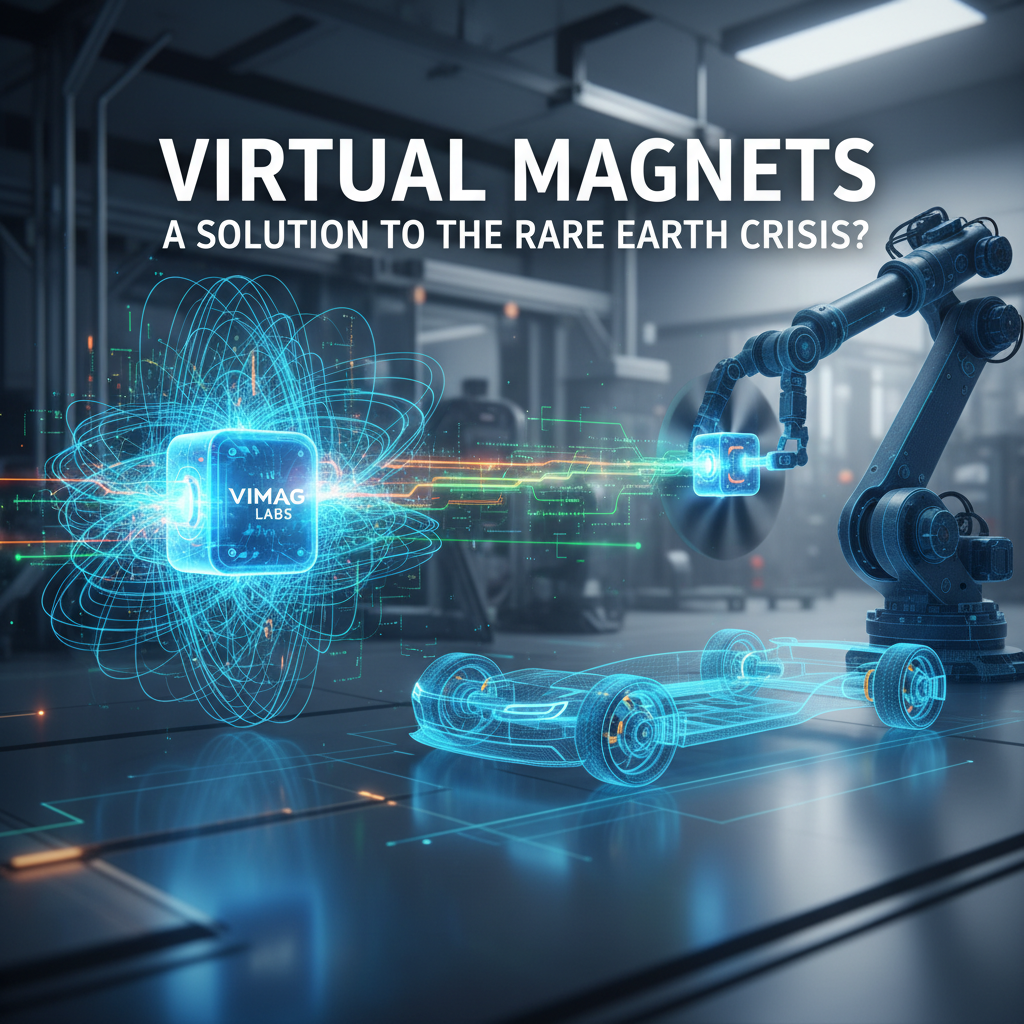
For decades, the electric motor industry has faced a significant challenge: its reliance on rare earth materials. These elements are crucial for the permanent magnets that power everything from electric vehicles (EVs) and industrial machines to robots. However, the supply chain for these materials is often complex, environmentally damaging, and subject to geopolitical risks. Enter Vimag Labs, a company aiming to disrupt this status quo with a novel approach: virtual magnets.
The Rare Earth Problem: A Persistent Challenge
The electric motor industry’s dependence on rare earth elements has created several issues. The extraction of these materials can lead to environmental damage, and the concentration of mining and processing in specific regions creates supply chain vulnerabilities. As demand for EVs and other technologies using electric motors continues to rise, the pressure on these resources intensifies, making the need for alternative solutions more urgent than ever.
Vimag Labs’ Innovative Solution: Virtual Magnets
Vimag Labs is tackling the rare earth problem by developing virtual magnets. While specific details about the technology are proprietary, the core concept involves creating the effect of a permanent magnet without using rare earth materials. This innovation has the potential to transform the electric motor industry, offering a more sustainable and less volatile solution for powering various applications.
How Virtual Magnets Work
The exact mechanisms behind Vimag Labs’ virtual magnets are not fully disclosed, but the goal is to replicate the magnetic properties of rare earth magnets using alternative materials or innovative designs. This could involve advanced electromagnetic configurations or the use of readily available materials that can generate strong magnetic fields. The company’s work aims to eliminate the need for rare earth elements in the manufacturing of electric motors.
Impact on Automotive, Industrial Machinery, and Robotics
The potential impact of Vimag Labs’ virtual magnet technology extends across multiple sectors. In the automotive industry, it could lead to more sustainable and cost-effective EVs. For industrial machinery, it could improve the efficiency and reliability of various equipment. Furthermore, the robotics sector could benefit from lighter, more efficient motors, leading to advancements in automation and other applications.
Benefits and Advantages
The adoption of virtual magnets offers several advantages:
- Sustainability: Reducing or eliminating the use of rare earth elements can minimize environmental impact.
- Supply Chain Resilience: Diversifying the materials used in electric motors can reduce dependence on specific regions and mitigate supply chain risks.
- Cost Reduction: Virtual magnets could potentially lower the overall cost of electric motors by using more readily available materials.
- Performance Improvement: The technology could lead to the development of more efficient and powerful electric motors.
The Future of Electric Motors
Vimag Labs’ innovation represents a significant step towards a more sustainable and resilient future for the electric motor industry. By addressing the rare earth problem, the company is not only contributing to environmental sustainability but also fostering innovation in automotive, industrial machinery, and robotics. As the demand for electric motors continues to grow, solutions like virtual magnets will play a crucial role in shaping the future of these sectors.
Conclusion
Vimag Labs’ commitment to solving the rare earth problem through virtual magnets highlights the importance of innovation and sustainability in the technology sector. Their work has the potential to revolutionize the electric motor industry, offering a pathway toward more environmentally friendly, cost-effective, and resilient solutions. As the world moves towards electric and automated technologies, the impact of companies like Vimag Labs will undoubtedly be felt across various industries. The shift away from rare earth elements is a crucial step towards a more sustainable and secure future for electric motors and the technologies they power.
About the Author