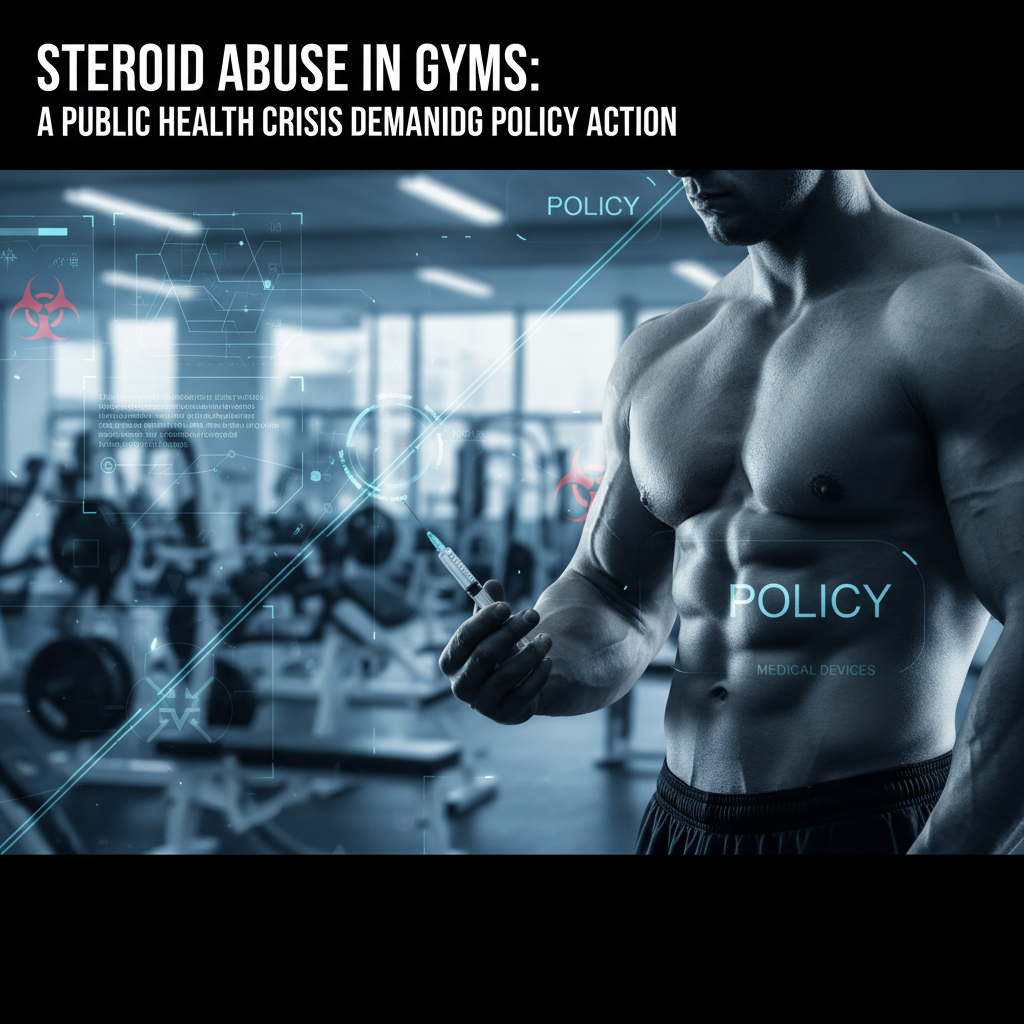
Steroid Abuse in Gyms: A Public Health Crisis Demanding Policy Action
The pursuit of physical perfection has, for some, taken a dangerous turn. Across gyms, a disturbing trend of steroid and unsafe supplement abuse is escalating, leading to a cascade of severe health consequences for young people. This issue, recently brought to light in Parliament, demands immediate attention and a multi-pronged approach involving policy, medical professionals, and public health initiatives.
The Alarming Health Risks
The WHO, in this case, doctors and heart specialists, are sounding the alarm. The reported health issues are not minor inconveniences but potentially life-threatening conditions. Doctors are witnessing a sharp rise in liver toxicity, a direct consequence of the substances being used. This damage, if left unchecked, can lead to chronic liver disease and even liver failure. Furthermore, the use of these substances can lead to infertility, robbing individuals of the chance to have children. Alongside the physical risks, there are also mental health concerns. Aggression, depression, and anxiety are increasingly linked to steroid use, creating a complex web of health problems for those affected.
Heart specialists, in particular, are warning of the cardiovascular dangers. The use of steroids can lead to heart attacks, a devastating outcome for anyone, but particularly concerning in young, otherwise healthy individuals. The heart, strained by these substances, can suffer irreversible damage, dramatically reducing quality of life and potentially leading to premature death. These findings are supported by the Industry-Economic Times report.
The Need for Stricter Policy and Market Oversight
The current landscape allows for easy access to potentially harmful substances. The market for steroids and unsafe supplements requires stricter checks and greater oversight. Policy changes are essential to curb the supply and distribution of these substances. This could include stricter regulations on the sale of these products, increased penalties for those who supply them illegally, and more robust enforcement of existing laws. Additionally, the medical devices involved in administering these substances should be regulated to ensure they’re used by qualified individuals.
Raising Public Awareness
Alongside policy changes, public awareness campaigns are crucial. Young people, often driven by a desire for a quick fix, may be unaware of the severe health risks associated with steroid use. Education about the dangers of these substances needs to be integrated into school programs, fitness centers, and online platforms. The message must be clear: the pursuit of physical goals should never come at the expense of long-term health. The WHO, in the form of mental health experts, can provide insight into the psychological impacts of steroid use, helping young people understand the full scope of the risks involved. The use of “unsafe supplements” also needs greater scrutiny and regulation to ensure that products match what is advertised.
Conclusion: A Call to Action
The issue of steroid abuse in gyms is a complex one, but not insurmountable. By combining policy interventions, medical expertise, and public awareness campaigns, it is possible to mitigate the risks and protect the health of young people. This is not just a matter of individual choice; it is a public health crisis that demands a coordinated and sustained response. The time for action is now, before more lives are irrevocably damaged.
About the Author