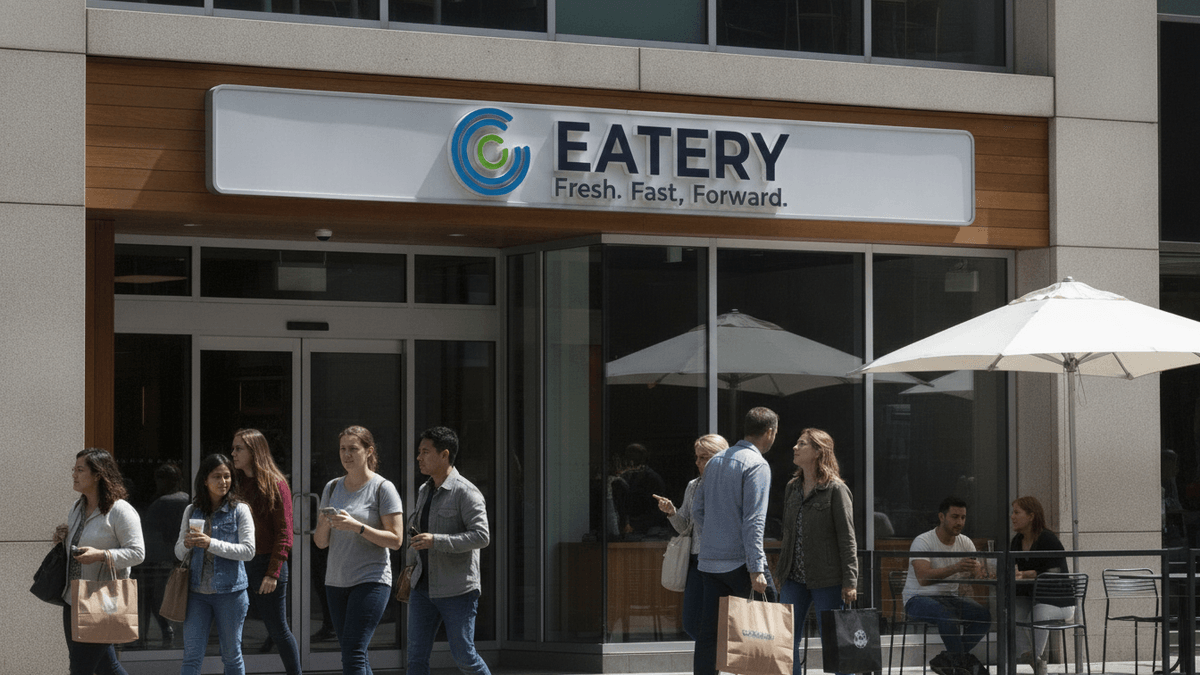
Exterior of a rebranded quick-service restaurant on a commercial street.
Pizza Hut, a prominent player in the quick-service restaurant sector, has announced a significant rebranding initiative coinciding with the upcoming National Football League (NFL) season. This strategic move, which involves a modification to its iconic name and visual identity, underscores the company’s efforts to refresh its market presence and connect with consumers.
While the specifics of the financial investment behind this rebranding are not disclosed, such initiatives typically involve substantial capital allocation towards marketing, operational adjustments, and consumer outreach. For investors in the quick-service restaurant and broader consumer discretionary sectors, this rebranding is a signal to monitor consumer spending patterns and brand loyalty shifts.
The NFL season is a critical period for many food and beverage companies, often leveraging the heightened consumer engagement and entertainment focus to drive sales. Pizza Hut’s decision to align its brand evolution with this period suggests a strategic intent to capitalize on increased consumer activity and media attention.
Analysts will be observing how this rebranding impacts Pizza Hut’s market share, customer perception, and ultimately, its financial performance. The effectiveness of such brand transformations is often evaluated through metrics like same-store sales growth, customer acquisition costs, and overall revenue, key indicators for private equity and venture capital firms evaluating opportunities within the consumer sector.
This development occurs within a broader context of evolving consumer preferences and increased competition in the food service industry. Companies are continually seeking innovative ways to capture market attention and maintain relevance, often through strategic rebranding and targeted seasonal campaigns. The success of Pizza Hut’s new identity will be a case study in brand adaptation within a dynamic consumer market.
About the Author