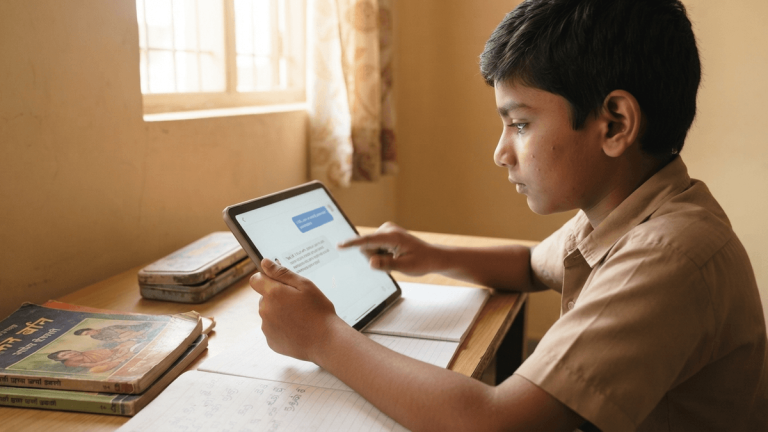
Smartphone displaying illicit drug listings on a messaging app
India’s Narcotics Control Bureau (NCB) has identified the messaging platform Telegram as a significant channel for advertising illegal drugs. This finding comes in the wake of the platform’s temporary ban in India due to its alleged involvement in the NEET-UG 2026 paper leak.
According to the NCB’s annual report for 2025, Telegram has become the most prominent encrypted messaging platform used for advertising illicit substances. The report highlights that public channels on Telegram offer product listings, pricing, and delivery details, making it an accessible marketplace for traffickers.
The NCB report notes that while encrypted platforms like Telegram, WhatsApp, and Signal are globally used for drug distribution, Telegram’s public channels and ease of access facilitate wider reach for drug traffickers. Unlike the darknet, these platforms are readily accessible via smartphones, lowering the barrier to entry. Enforcement challenges include jurisdictional issues, the ephemeral nature of messages, auto-deletion features, and the use of multiple accounts, layered communication, and cryptocurrencies for anonymity.
The report also points to the evolving tactics of traffickers, including a shift from Bitcoin to privacy-focused cryptocurrencies like Monero and Zcash, and the use of decentralized finance (DeFi) protocols to obscure financial transactions. International postal networks are identified as a significant blind spot, with small parcels containing synthetic drugs often evading detection.
This development follows the Delhi High Court’s dismissal of Telegram’s challenge against the Centre’s decision to temporarily restrict public access to the platform. The government had described Telegram as the “new dark web,” citing its use by criminals for communication and concealment of identities through public channels and deep web links. The government’s allegations include the platform’s role in facilitating cyber fraud, financial scams, drug trafficking, child exploitation, piracy, and terrorism.
The NCB’s findings align with growing international scrutiny of Telegram. Law enforcement agencies and researchers indicate that the platform’s combination of encrypted chats, public channels, bots, and limited moderation makes it an attractive venue for drug traffickers. Dealers often advertise in public channels using coded language before moving to private discussions, with cryptocurrency increasingly used for payments.
The global attention on Telegram’s role in criminal networks intensified in 2024 when its founder, Pavel Durov, was indicted in France on charges related to drug trafficking and money laundering. While not accused of personal participation, the prosecution argued that Telegram’s moderation practices enabled organized criminal activity. Investigations in various regions have linked Telegram to cross-border drug trafficking networks.
The NCB concludes that traffickers are increasingly integrating encrypted messaging platforms with darknet markets, privacy-focused cryptocurrencies, and DeFi platforms, creating a complex digital ecosystem that poses significant challenges for law enforcement monitoring and disruption.
About the Author