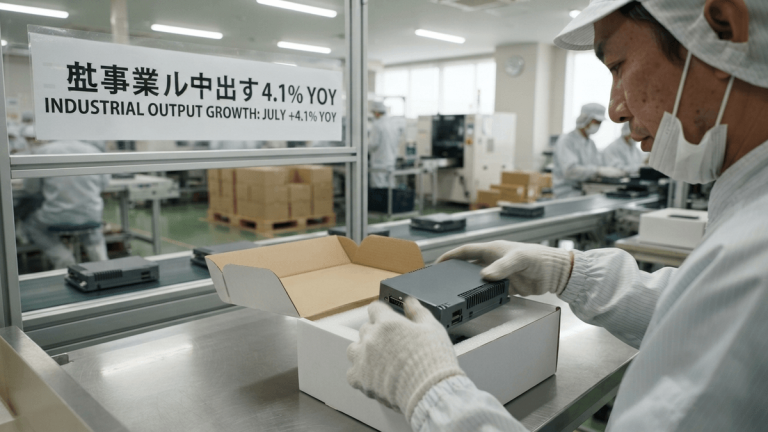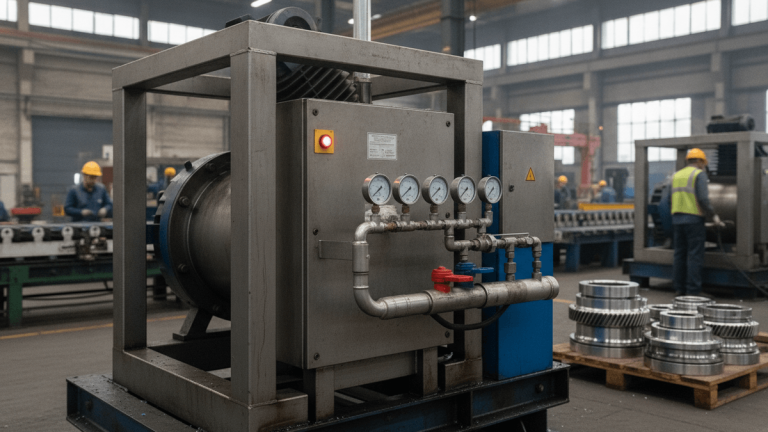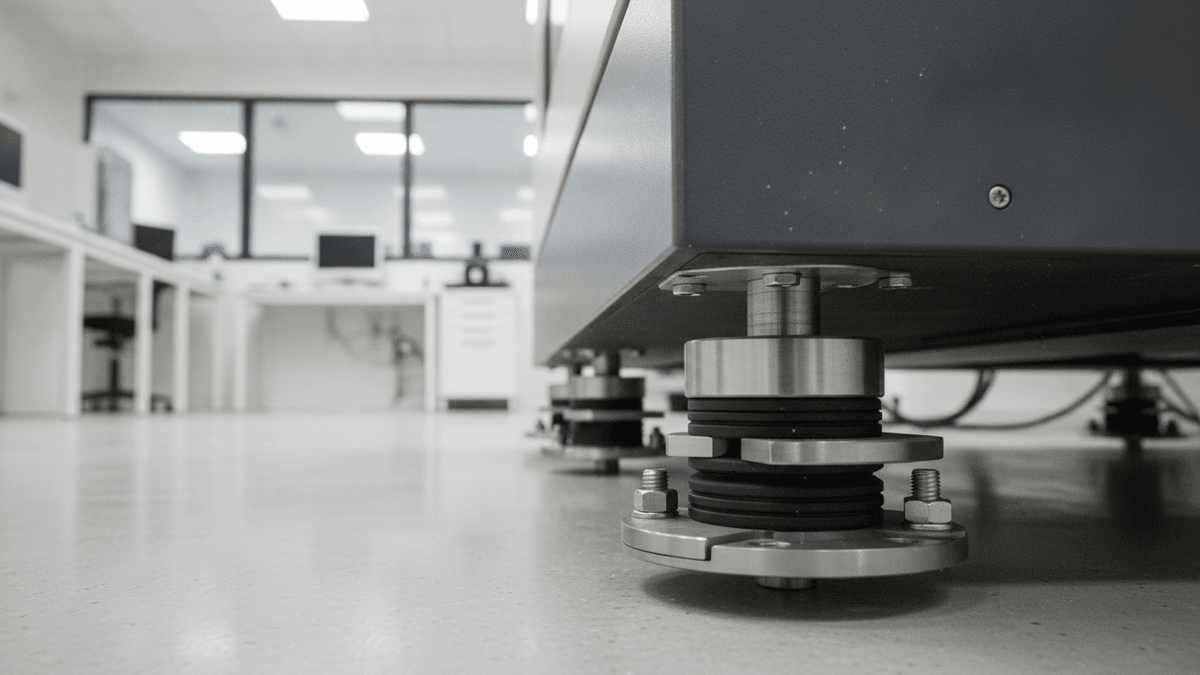
Leveling feet support industrial equipment in a cleanroom
The Swiss market for leveling feet is projected to experience a compound annual growth rate (CAGR) of approximately 3–5% through 2035. This growth is underpinned by the nation’s strong high-value machinery, automation, and precision manufacturing sectors. A significant characteristic of this market is its high dependence on imports, with an estimated 70–80% of leveling feet consumed in Switzerland being sourced internationally. Key exporting countries include Germany, Italy, China, and Taiwan, reflecting limited large-scale domestic production of these specialized components.
Premium product segments, such as stainless steel, heavy-duty, and vibration-damping leveling feet, represent a substantial 40–50% of the market’s value. This indicates a strong demand from Swiss industries for components that offer corrosion resistance, high precision, and hygienic designs, particularly in sectors like laboratory instruments, medical devices, and precision measurement equipment.
Current market trends highlight a growing preference for integrated leveling feet that incorporate locking mechanisms and swivel plate designs, enhancing machine stability and simplifying maintenance. The demand for vibration damping and polyurethane-based leveling feet is also on the rise. Procurement processes are increasingly being transformed by digital distribution platforms and online industrial catalogs.
Despite the positive growth outlook, the market grapples with challenges. Extended supply chain lead times, particularly for forged and machined leveling feet from Asian suppliers (ranging from 8–16 weeks), contribute to increased inventory costs for Swiss distributors. Volatility in raw material prices, especially for stainless steel alloys and engineering polymers, puts pressure on importer margins. Furthermore, high labor and logistics costs in Switzerland make the domestic machining of standard carbon steel leveling feet uncompetitive against imported alternatives, confining local production to niche and custom-engineered orders.
Leveling feet are critical for stabilizing and aligning industrial equipment. The Swiss market is characterized by a concentrated base of high-value buyers, established supplier relationships, and a demand for technically documented products with traceable material certifications. While the market is niche, it remains stable, with annual demand in the millions of units and a value in the tens of millions of Swiss francs. Growth is closely tied to Swiss industrial production and capital expenditure cycles.
By product type, threaded stem and swivel plate leveling feet dominate in volume, while vibration damping and polyurethane-based feet are the fastest-growing segments. Industrial machinery and CNC machines constitute the largest end-use segment, accounting for 45–55% of total consumption. Pricing varies significantly based on specifications and materials, with stainless steel versions commanding a substantial premium.
The competitive landscape is primarily shaped by international manufacturers with robust distribution networks, alongside smaller domestic firms focusing on custom solutions. Switzerland is a net importer of leveling feet, with minimal direct exports; these components are indirectly exported as part of finished Swiss machinery. The market operates under various regulations and standards, including ISO/EN norms for machine safety, FDA/EU food-contact material regulations, the Medical Devices Ordinance (MedDO), and environmental regulations like RoHS and REACH.
Opportunities for suppliers lie in catering to the increasing demand for advanced vibration damping solutions in precision applications, the expanding medical device and laboratory equipment sectors requiring cleanroom-compatible components, the aftermarket and MRO segment, and the growing importance of digitalization and sustainability in product offerings.
About the Author