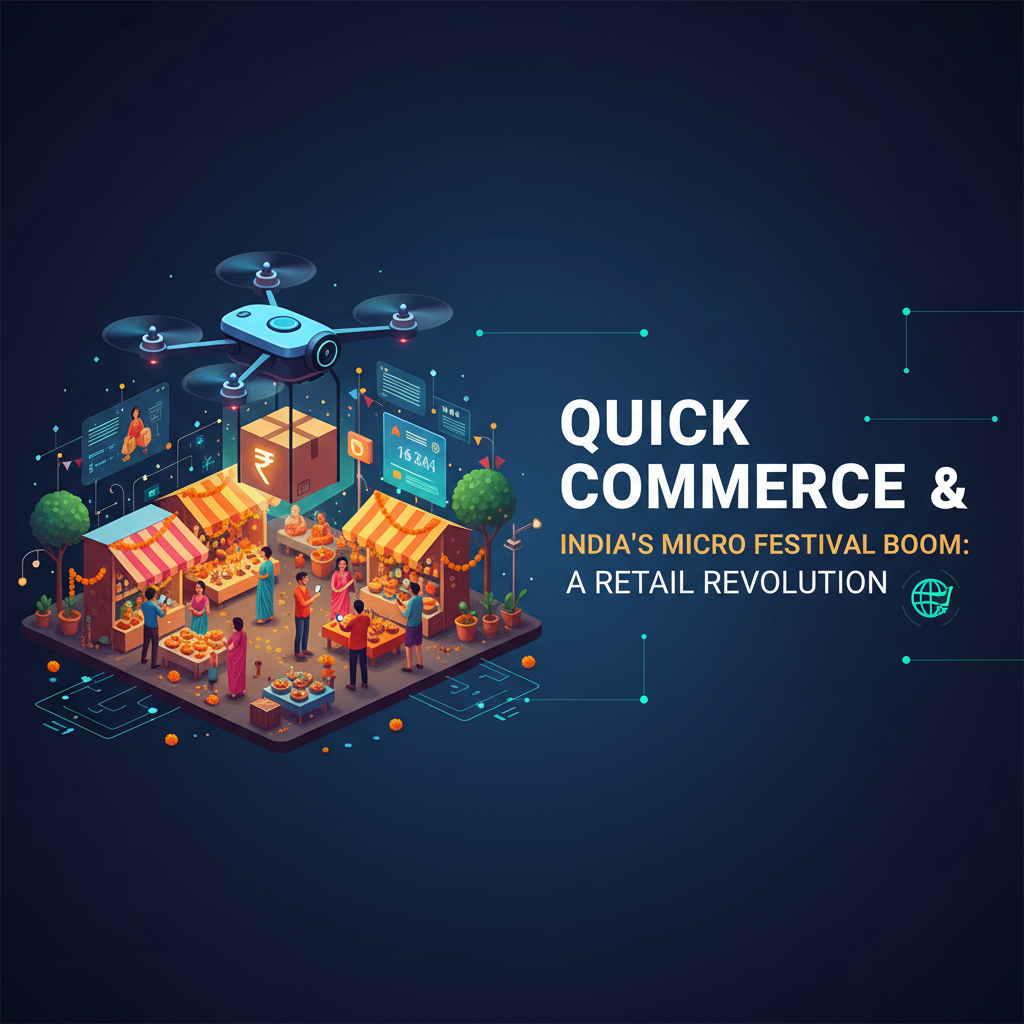
Quick Commerce & India’s Micro Festival Boom: A Retail Revolution
The convergence of quick commerce and the burgeoning micro-festival landscape in India presents a fascinating case study in evolving consumer behavior. On Sunday, March 8, coinciding with International Women’s Day and the Indian men’s team’s T20 World match, the retail sector witnessed a unique interplay of consumer needs and market responses. This article delves into how quick commerce is shaping the experience around these localized celebrations and sporting events, providing insights into the future of e-commerce and retail in India.
The Rise of Micro Festivals and Their Impact
The concept of micro-festivals is gaining traction across India. These events, often community-driven, celebrate everything from local traditions to global events like the T20 World. They create localized demand surges for various products and services. This trend underscores the importance of understanding consumer behavior at a granular level. Businesses are increasingly focusing on these micro-moments to capture consumer attention and drive sales. This shift necessitates agility in supply chains, marketing strategies, and delivery mechanisms, which is where quick commerce steps in.
Quick Commerce: Meeting the Demand
Quick commerce, a method of delivering goods rapidly, is ideally positioned to capitalize on the opportunities presented by micro-festivals. The ability to deliver products within minutes or hours is becoming a critical differentiator. Consumers, especially during events like the T20 World, seek immediate gratification. They want to order snacks, beverages, or even merchandise and have them delivered swiftly. Quick commerce platforms are responding by expanding their product offerings and optimizing their logistics networks to meet this demand. This includes strategic warehousing, efficient last-mile delivery, and targeted marketing campaigns to reach consumers during these specific events.
The Intersection: T20 World and Consumer Behavior
The T20 World provides a prime example of how quick commerce can thrive. The Indian men’s team’s participation in the tournament sparks a wave of consumer activity. People gather to watch matches, creating demand for snacks, drinks, and other related items. Quick commerce platforms can leverage this by offering curated product selections, special deals, and rapid delivery services. This allows them to tap into the surge in demand and provide a seamless consumer experience. This approach goes beyond mere convenience; it enhances the overall experience of participating in a micro-festival.
Challenges and Opportunities
While the synergy between quick commerce and micro-festivals presents significant opportunities, there are also challenges. Scaling operations to meet fluctuating demand, managing inventory effectively, and ensuring timely deliveries are crucial considerations. However, the potential rewards are substantial. Businesses that successfully navigate these challenges can build brand loyalty, capture market share, and position themselves as leaders in the evolving retail landscape. Understanding the nuances of consumer behavior during these events is essential for success. This includes knowing what consumers want, when they want it, and how to deliver it in a way that exceeds expectations.
The Future of E-commerce and Retail in India
The rise of quick commerce and the proliferation of micro-festivals are reshaping the future of e-commerce and retail in India. As technology continues to evolve and consumer preferences shift, businesses must adapt to stay competitive. This includes leveraging data analytics to understand consumer behavior, investing in efficient logistics networks, and creating personalized experiences. Quick commerce is not just about speed; it’s about providing a holistic experience that meets the evolving needs of consumers. By focusing on these aspects, businesses can thrive in the dynamic Indian market.
About the Author