US Energy Secretary: Iran Conflict’s Energy Impact ‘Temporary’
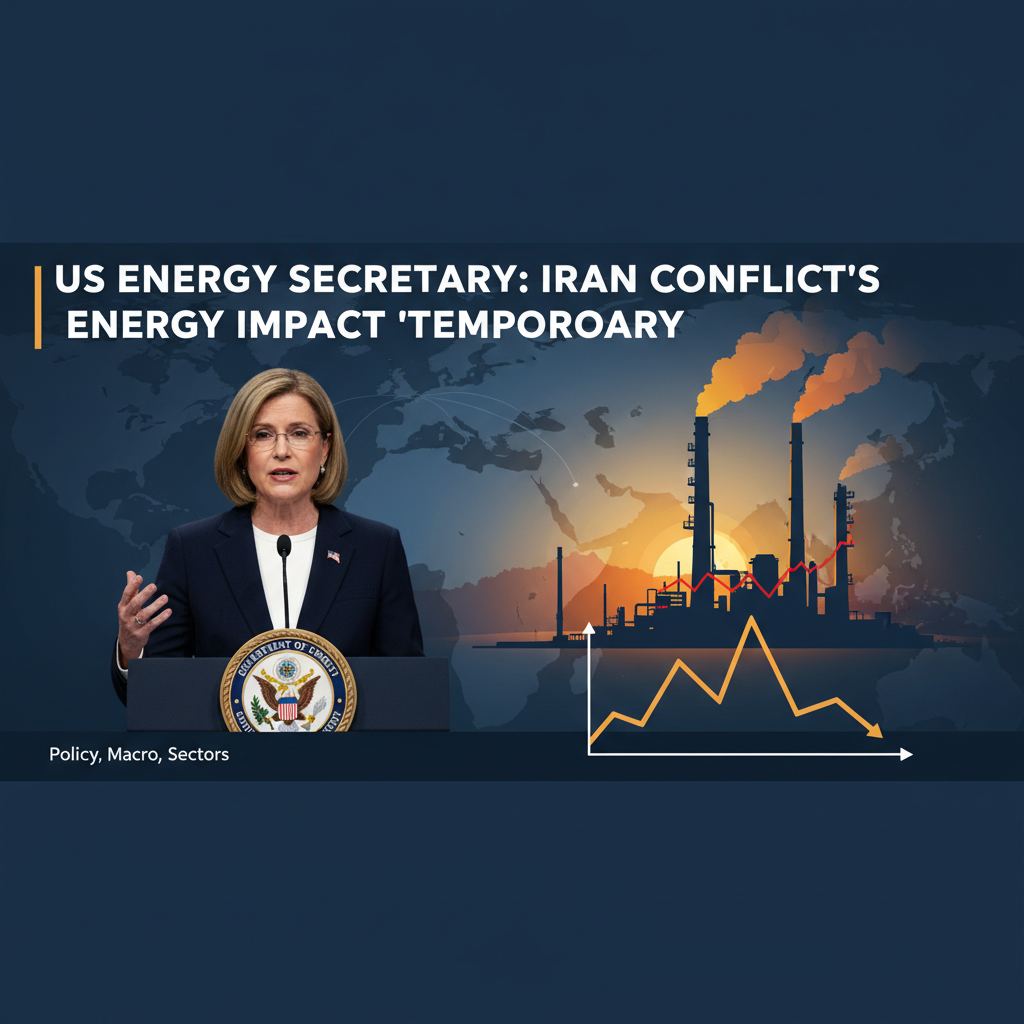
In a recent statement, U.S. Energy Secretary Chris Wright addressed the ongoing impact of the Iran conflict on global energy markets. According to Wright, the disruptions, though noticeable, are expected to be temporary, presenting what he characterized as a “small price” to pay relative to the broader U.S. military objectives.
Assessing the Energy Market’s Response
The Iran conflict has significantly influenced the energy sector, primarily due to rising tensions and the closure of the Strait of Hormuz. The closure of the Strait of Hormuz has directly impacted the flow of oil and gas shipments, contributing to increased energy prices. As a critical chokepoint for global energy transit, any disruption in the Strait of Hormuz inevitably reverberates across international markets. However, despite these challenges, Wright emphasized the resilience of the global supply chain.
Key Factors in the Energy Equation
Several factors are at play in mitigating the conflict’s effects. The global supply of energy remains robust, offering a buffer against potential shortages. Furthermore, the U.S. production of oil and gas is currently at record highs. This strong domestic production capacity enables the United States to exert greater influence on the global market dynamics. This is a crucial element in stabilizing prices and ensuring energy security, even amidst geopolitical instability.
Policy Implications and Outlook
The U.S. government’s stance, as articulated by Chris Wright, suggests a strategic confidence in the energy market’s ability to weather the storm. This confidence stems from a combination of strong global supply, the United States’ own production capabilities, and the belief that the conflict’s impact will be limited in duration. The situation underscores the intricate relationship between geopolitical events and energy markets, highlighting the importance of diversified supply chains and robust domestic production capacity.
Conclusion
In summary, while the Iran conflict has undoubtedly created turbulence in the energy sector, the U.S. government, through Chris Wright, projects a view of temporary disruption. The interplay of global supply, the strategic importance of the Strait of Hormuz, and U.S. production levels will continue to shape the narrative of energy security in the face of geopolitical challenges. The situation serves as a critical reminder of the interconnectedness of global markets and the ongoing need for strategic foresight in energy policy.
Source: Industry-Economic Times
About the Author