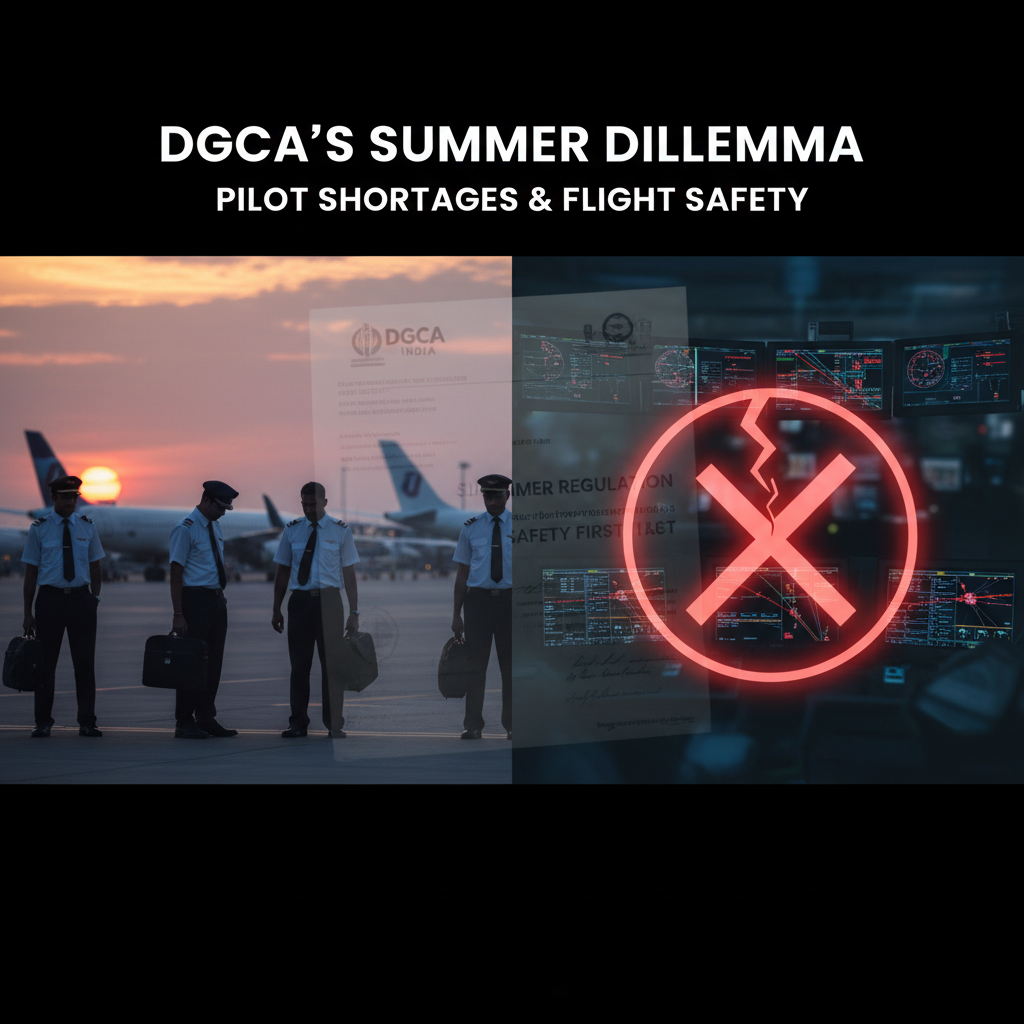
DGCA’s Summer Dilemma: Balancing Pilot Shortages and Flight Safety
As summer approaches, the Directorate General of Civil Aviation (DGCA) in India finds itself at a crucial juncture, wrestling with a decision that could significantly impact the nation’s aviation sector. The core of this issue revolves around pilot duty rules, a matter of considerable importance for both airlines and travelers alike. The regulator’s decision, expected to take effect starting March 29, will effectively dictate the course of summer travel plans, influencing everything from flight numbers to the prices passengers will pay. The stakes are high: the DGCA must navigate a complex balancing act between preventing pilot shortages and ensuring the paramount importance of flight safety.
The Balancing Act: Pilot Duty Rules and Airline Operations
At the heart of the matter lies the tension between the operational needs of airlines and the safety regulations governing pilot work hours. Airlines are reportedly seeking extensions on current relaxations, a move that would provide them with greater flexibility in scheduling flights. However, this request raises significant concerns. Overworked pilots pose a direct risk to flight safety, and the DGCA must carefully consider these potential dangers. The repercussions of a misstep could be severe, potentially leading to incidents reminiscent of past aviation crises. The DGCA’s decision is essentially a ‘Catch-22,’ as it grapples with the need to maintain a smooth flow of air travel while upholding the highest standards of safety.
The Impact on Travelers: Flight Numbers and Fares
The DGCA’s ruling will inevitably have a ripple effect across the aviation landscape, impacting both flight numbers and the fares that passengers will encounter. If the regulator opts to tighten regulations, airlines may be forced to reduce the number of flights to comply with pilot duty limitations. This scenario could lead to higher ticket prices, as demand continues to rise during the summer travel season. Conversely, a more lenient approach could lead to more flights but at the potential expense of pilot well-being and, consequently, safety. The regulator’s choices will thus directly influence the affordability and availability of air travel for millions of passengers.
Addressing the Pilot Shortage: A Long-Term Challenge
The pilot shortage is a recognized issue within the aviation industry, and airlines are actively taking measures to address it. Hiring more pilots is a key strategy, but this process takes time. Training, certification, and integration into existing flight schedules all require a significant investment of resources. This ongoing effort highlights the need for a comprehensive, long-term approach to workforce planning within the aviation sector. The DGCA’s immediate decision on pilot duty rules is just one piece of a much larger puzzle, and a sustainable solution requires collaboration between regulators, airlines, and training institutions.
The Road Ahead: Prioritizing Safety and Stability
As the DGCA prepares to announce its decision, the aviation industry, and the public, await with bated breath. The summer travel season is a critical period, and the regulator’s choices will shape the experience of countless travelers. The paramount goal must be to ensure the safety and well-being of both passengers and crew. While airlines strive to maintain efficient operations, the DGCA’s primary responsibility is to prioritize safety above all else. Finding the right balance between these competing interests is the ultimate challenge, and the outcome will have lasting implications for the future of Indian aviation.
Source: Industry-Economic Times
About the Author