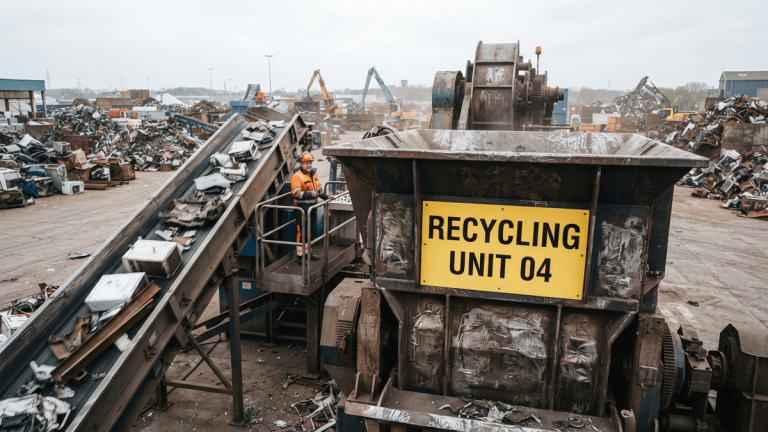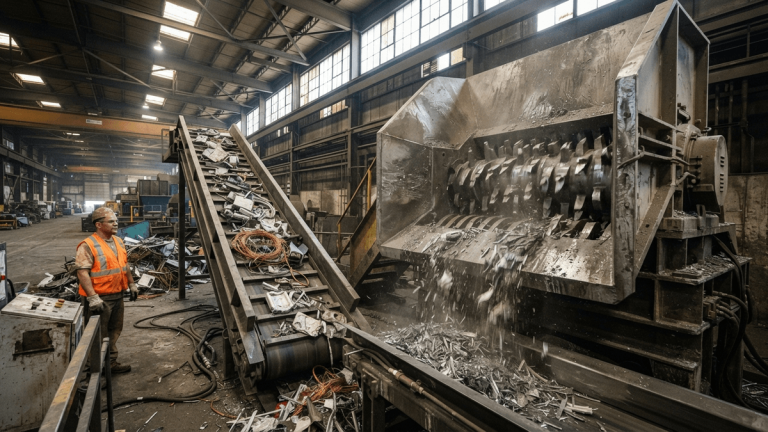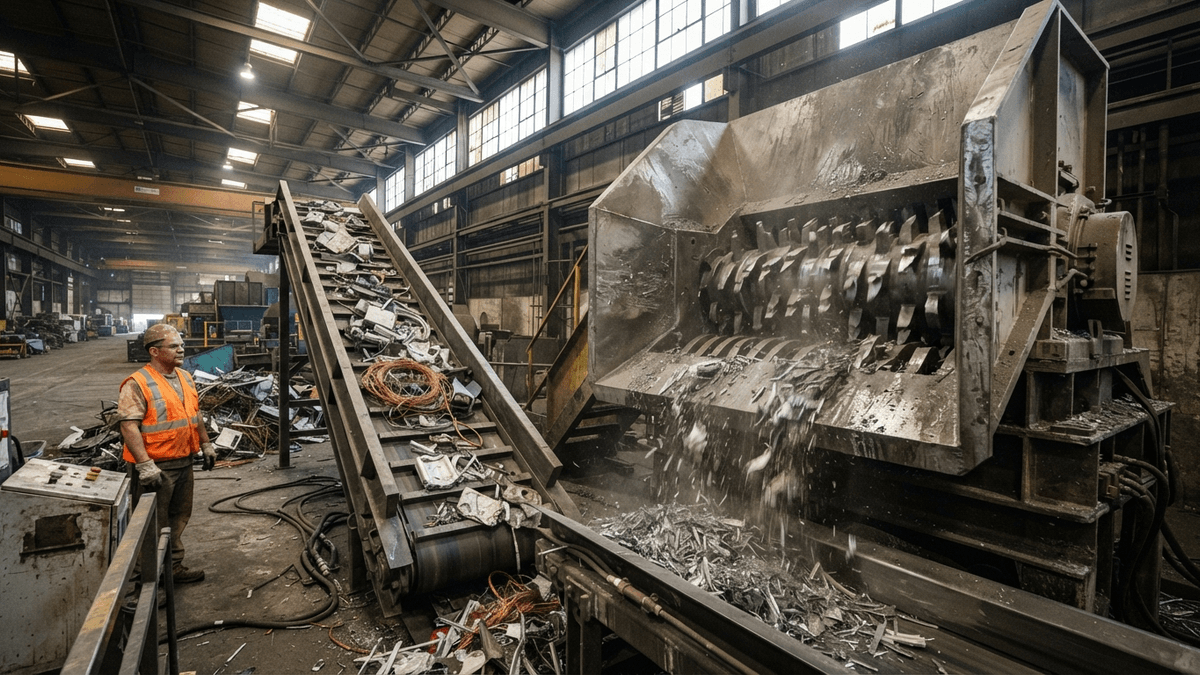
A metal shredder processes scrap at a recycling facility.
The global metal shredder machine market is entering a period of sustained growth as industrial sectors pivot toward circular economy models. According to recent market analysis from IndexBox, the sector is projected to expand significantly through 2035, underpinned by a structural shift in how manufacturing industries source raw materials.
The primary driver of this capital expenditure is the increased reliance on recycled metal to mitigate the environmental impact of virgin material extraction. As global supply chains face heightened pressure to decarbonize, industrial manufacturers are prioritizing efficient scrap processing technologies. This demand has catalyzed a wave of investment into high-efficiency shredding equipment, which offers lower energy consumption and enhanced operational safety compared to legacy machinery.
Regulatory frameworks are playing a decisive role in this market trajectory. Stricter waste management policies and carbon emission targets in both developed and emerging markets are forcing industrial players to modernize their recycling infrastructure. For private equity firms and institutional investors, this transition presents a long-term opportunity to fund the backbone of the green industrial revolution.
While developed economies are focusing on the replacement and optimization of existing facilities, emerging markets are witnessing a surge in capital investment driven by rapid industrialization and the subsequent rise in scrap metal volumes. As these regions build out their waste management capabilities, the demand for advanced shredding technology is expected to provide a consistent pipeline of deal activity in the industrial machinery and sustainable technology sectors.
About the Author