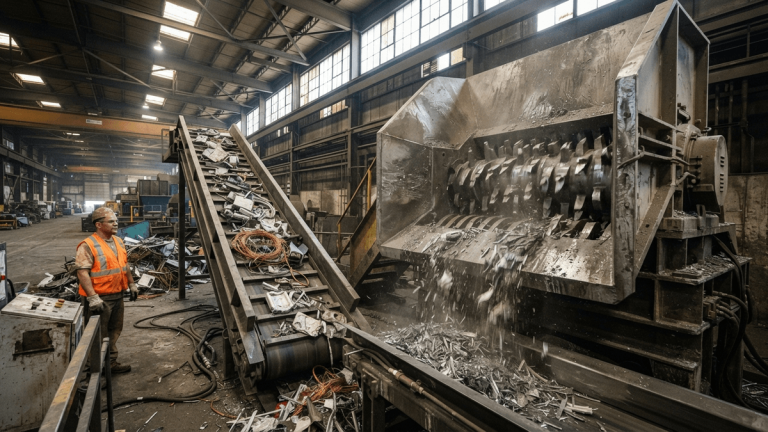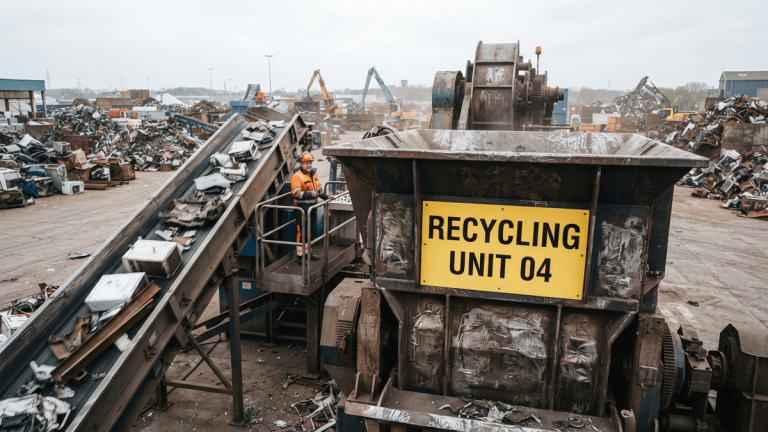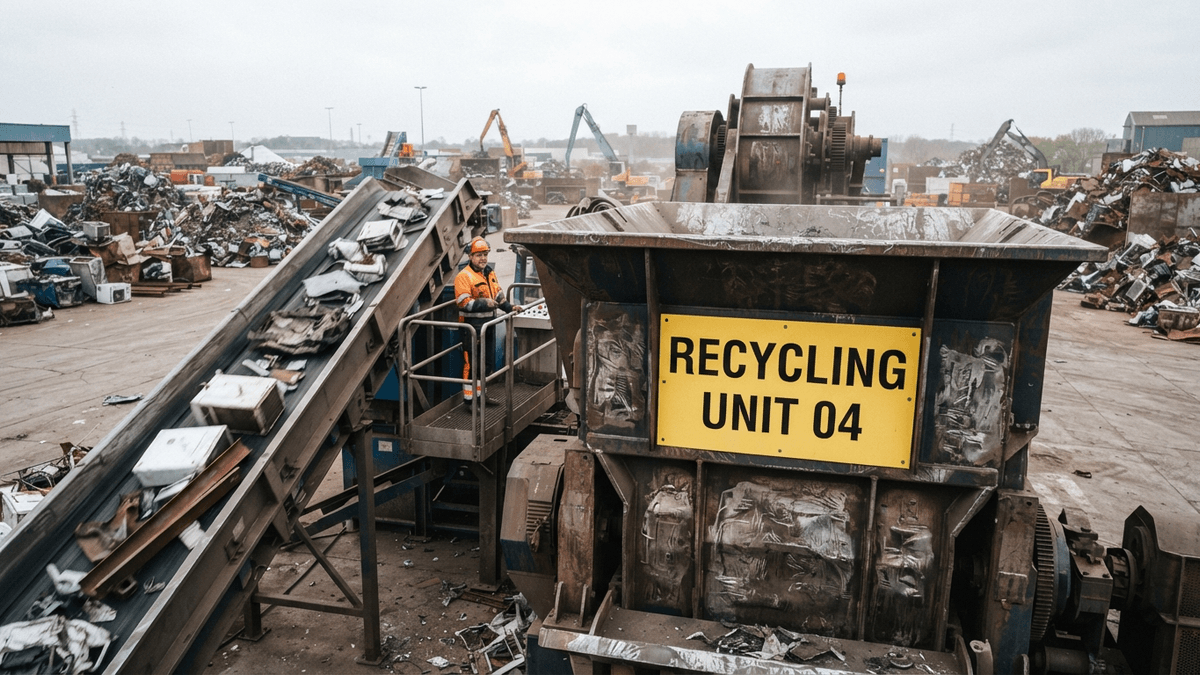
A high-performance metal shredder at a recycling facility.
The global market for metal shredder machines is entering a period of sustained growth, with projections extending through 2035. According to recent industry data from IndexBox, the sector is being fundamentally reshaped by the global transition toward circular economy models and increasingly stringent environmental regulations.
As industrial manufacturers face mounting pressure to reduce their carbon footprints, the recovery of secondary raw materials has become a strategic priority. The shift from virgin material reliance to efficient scrap processing is not merely an environmental mandate but a cost-optimization strategy. High-performance metal shredders are central to this transition, enabling the systematic recovery of high-grade materials from end-of-life industrial and consumer products.
Investment interest in this space is underpinned by the essential nature of recycling infrastructure in modern manufacturing. Technological advancements—specifically in the realms of automation, durability, and energy efficiency—are lowering operating costs for recyclers, thereby improving the internal rate of return for capital expenditure in this machinery.
For institutional investors and private equity firms focused on industrial technology and environmental services, the metal shredder market offers a clear window into the broader secular trend of decarbonization. As regulatory frameworks continue to incentivize waste reduction, the demand for sophisticated, automated shredding solutions is expected to remain a critical component of the global recycling supply chain, providing a stable foundation for long-term sector growth.
About the Author