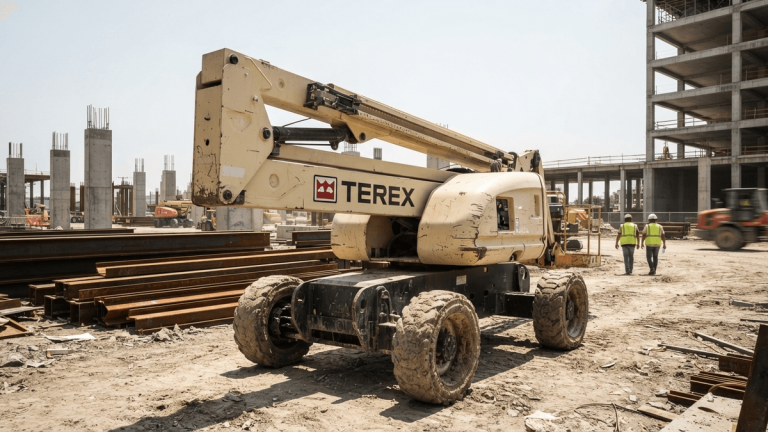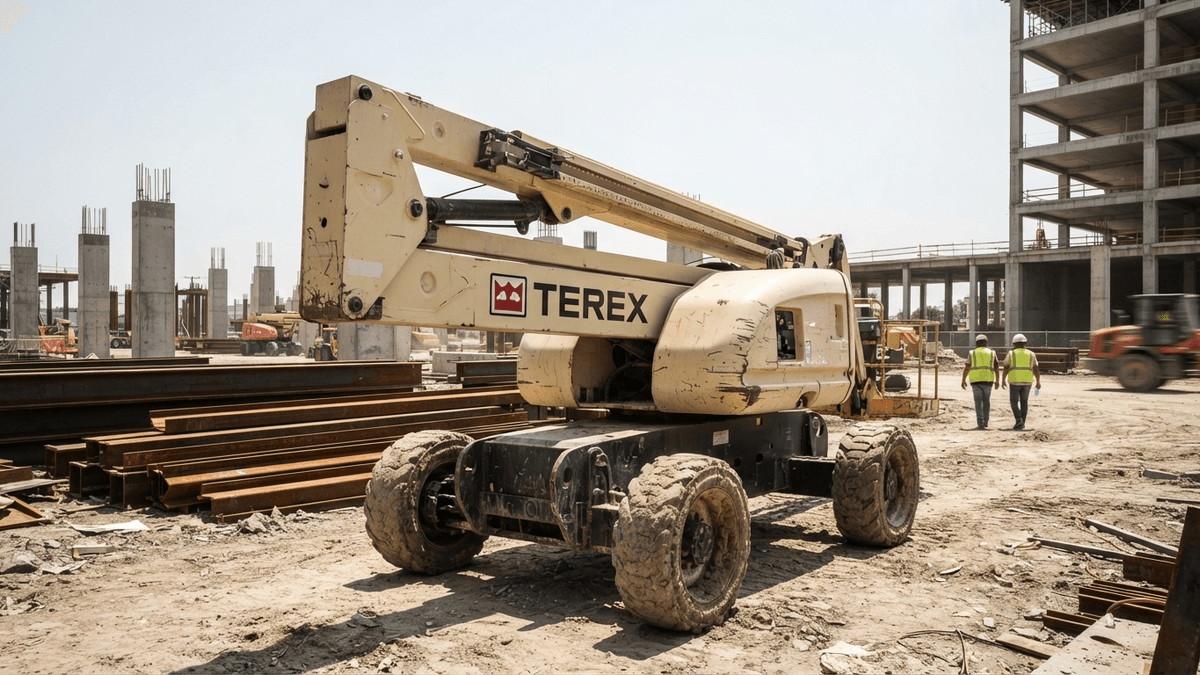
A Terex aerial work platform sits at a construction site.
Terex Corporation (NYSE: TEX), a global manufacturer of aerial work platforms and materials processing machinery, continues to serve as a bellwether for the industrial capital goods sector. As of recent market data, the company’s valuation remains closely tied to cyclical infrastructure spending and broader macroeconomic trends affecting global construction and industrial output.
Investors monitoring Terex focus on key financial indicators, including its price-to-earnings (P/E) ratio and earnings per share (EPS), which serve as critical gauges for the company’s operational efficiency and profitability in a high-interest-rate environment. The firm’s current market capitalization reflects investor sentiment regarding its ability to navigate supply chain volatility and fluctuating demand for heavy machinery.
From a strategic perspective, Terex’s performance is heavily influenced by its backlog of orders and its capacity to execute on large-scale infrastructure projects. Market analysts often evaluate the company through the lens of its segment-specific growth, particularly in the Utilities and Materials Processing divisions. As the company manages its capital structure, dividend distributions and share buyback programs remain key points of interest for institutional investors looking for stability within the industrial sector.
For private equity and institutional observers, Terex represents a mature play in the industrial manufacturing space, with its stock performance providing insight into the health of the global industrial equipment cycle. Future valuation will likely depend on the company’s success in integrating technological advancements into its product lines and maintaining margins amidst inflationary pressures on raw materials.
About the Author